


CNC Design Guide (DFM)
Design parts that machine faster, cost less and perform better.

Design for CNC Machining — Cut Cost Before You Cut Metal
Most of a machined part’s cost is locked in at the design stage. A part designed for manufacturability (DFM) machines faster, inspects easier, and rejects less. This guide covers the practical rules our engineers apply every day — wall thickness, radii, holes, threads, tolerances, and finishes — so your next part quotes lower and ships sooner. Send us a model and we’ll apply this same review for free before you commit.
Wall Thickness
Thin walls vibrate and deflect under the tool, causing chatter, poor finish, and scrap. Keep walls at least 0.8 mm for metals and 1.5 mm for plastics; thicker is cheaper to hold to tolerance. If a thin wall is unavoidable, tell us — we can fixture and step-machine it, but it costs more.

Internal Radii
An end mill can’t cut a sharp internal corner — it leaves a radius equal to the tool. Design internal corners with a radius of at least 1/3 of the cavity depth, and prefer larger radii so we can use a bigger, faster, more rigid tool. Sharp internal corners force tiny tools, slow feeds, and higher cost.
Hole Depth & Diameter
Keep drilled holes to a depth of no more than 4× the diameter for standard tooling (up to ~10× with special drills, at higher cost). Use standard drill sizes where possible — a non-standard diameter may require reaming or boring. Avoid holes that break into cavities at an angle; they deflect the drill.

Threads
Thread only as deep as needed — 1.5× the diameter of thread engagement is plenty for full strength in most metals; deeper just adds cost and tap-breakage risk. Use standard thread sizes, and allow clearance and a chamfer at thread starts. For hard or thin materials, consider threaded inserts.
Pockets & Depth
Deep, narrow pockets need long, slender tools that deflect and chatter. Keep pocket depth within about 4× the tool diameter. Wider, shallower pockets machine faster and hold better tolerances. Add a floor radius where the wall meets the pocket bottom.
Tolerances & Surface Finish
Tolerance tightly only the features that need it — mating fits, bearing seats, sealing faces — and leave the rest to ISO 2768-medium. Specify surface finish (Ra) only where it matters. Both tight tolerance and fine finish add cost everywhere they’re applied. Our tolerances guide has the full detail and an ISO 2768 chart.
Text, Engraving & Small Features
Engraved text is cheaper than embossed (raised) text, which requires clearing all the surrounding material. Keep engraving lines wide enough for a practical tool (≥0.5 mm) and shallow. Avoid tiny fillets and micro-features that force miniature tooling.
Material Choice Affects Machinability
Free-machining aluminum and brass cut fast and cheap. Stainless and titanium are slower and harder on tools, so the same geometry costs more. If your application allows a choice, picking a more machinable grade can meaningfully cut cost. Ask us — we’ll suggest options.
Send Us Your Design for a Free DFM Review
Upload a STEP/IGES model and 2D drawing. Our engineers review it against these rules and flag anything that adds unnecessary cost or risk — before you commit, at no charge. Start at our CNC machining China hub.
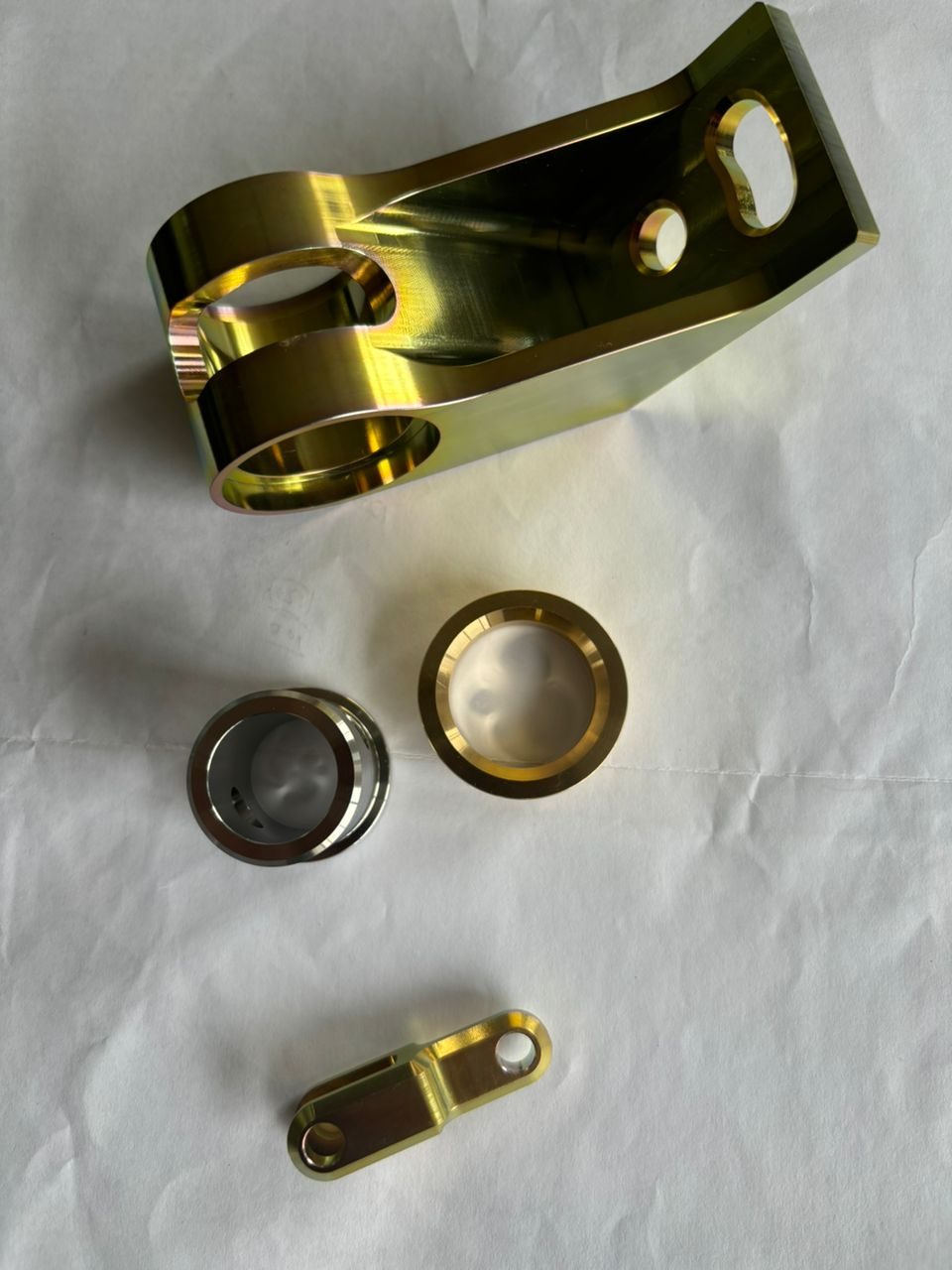
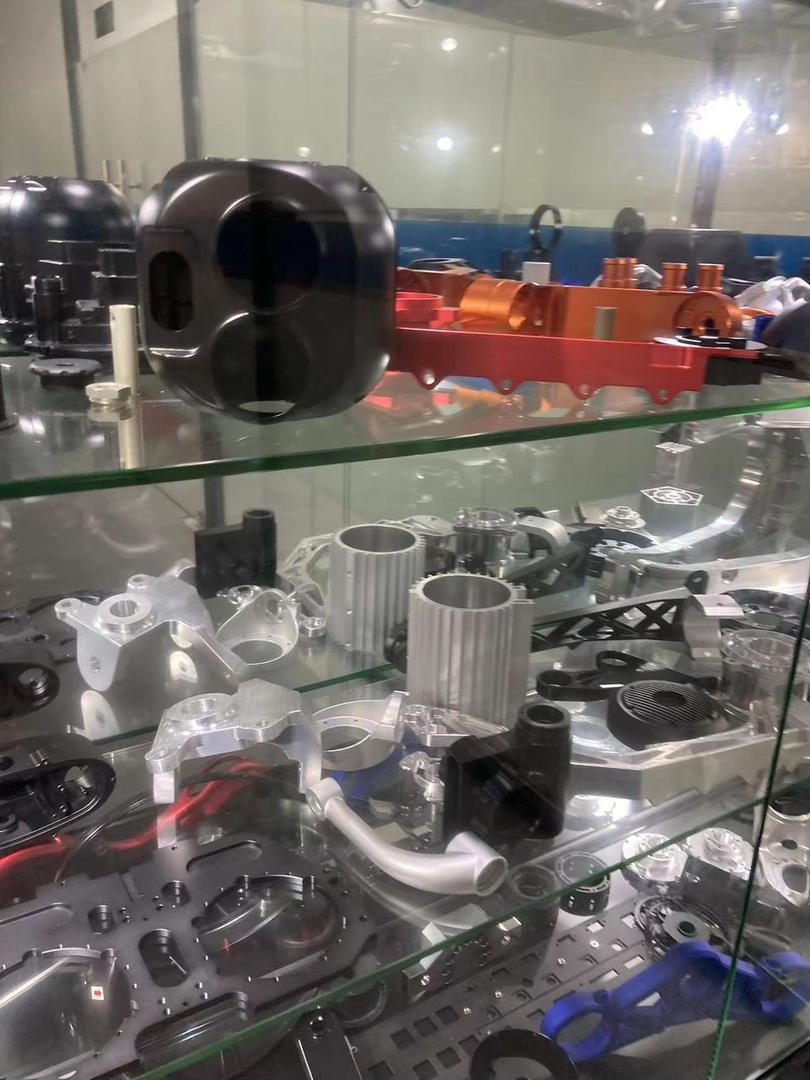
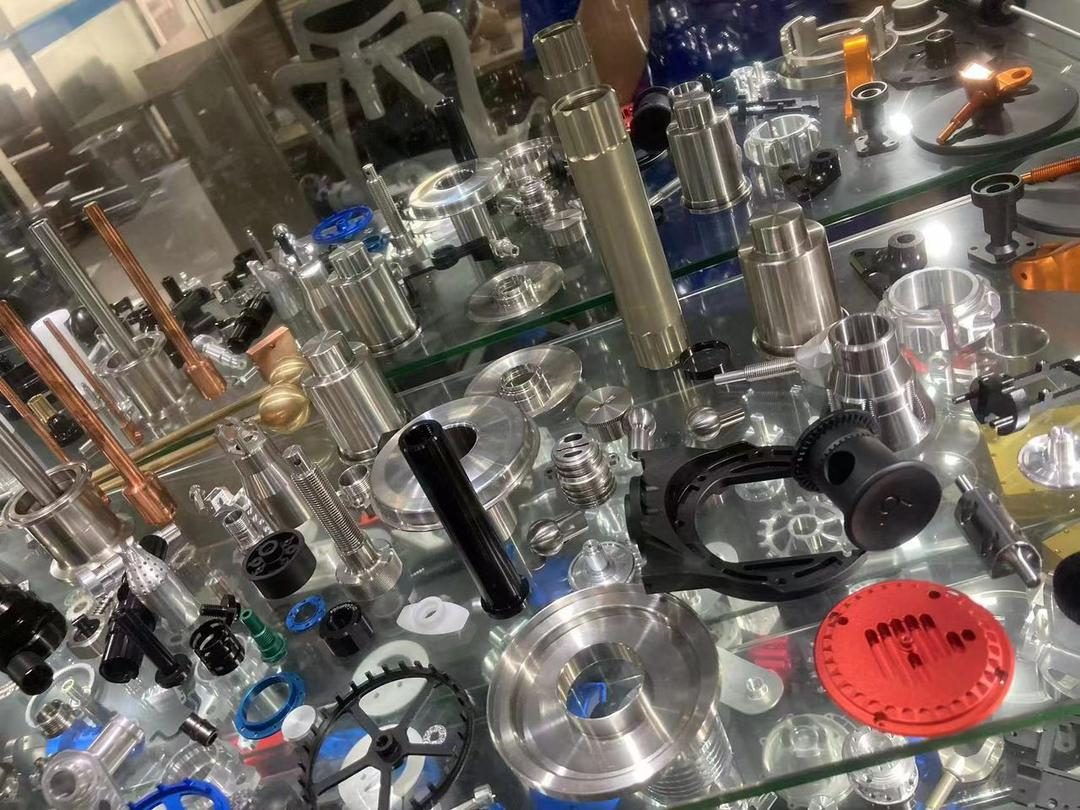
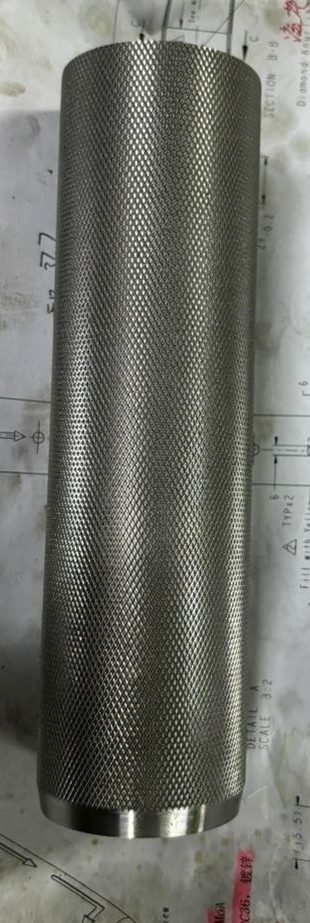
Real parts we've machined
Precision you can verify — actual production parts from our Shenzhen floor.
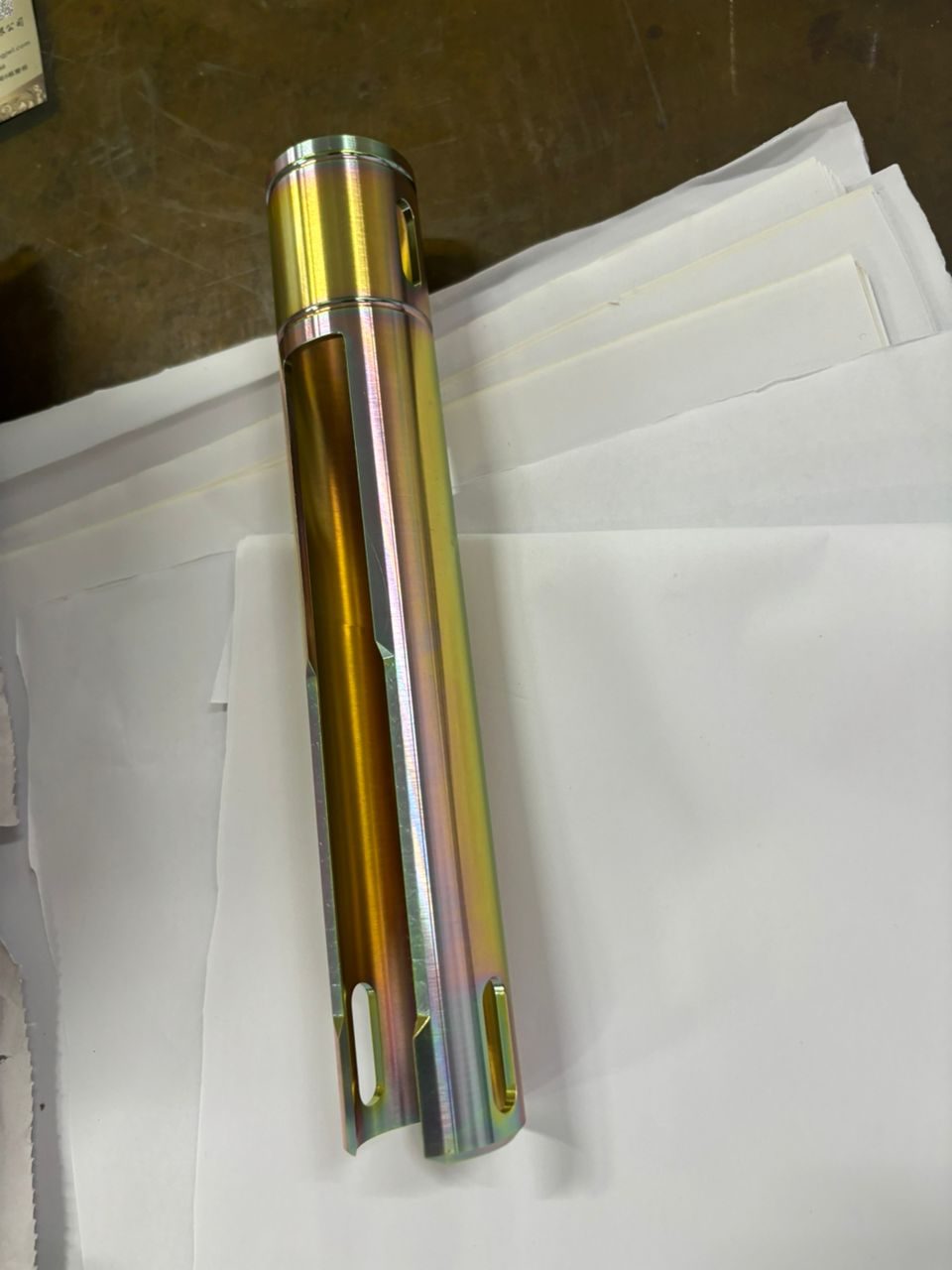
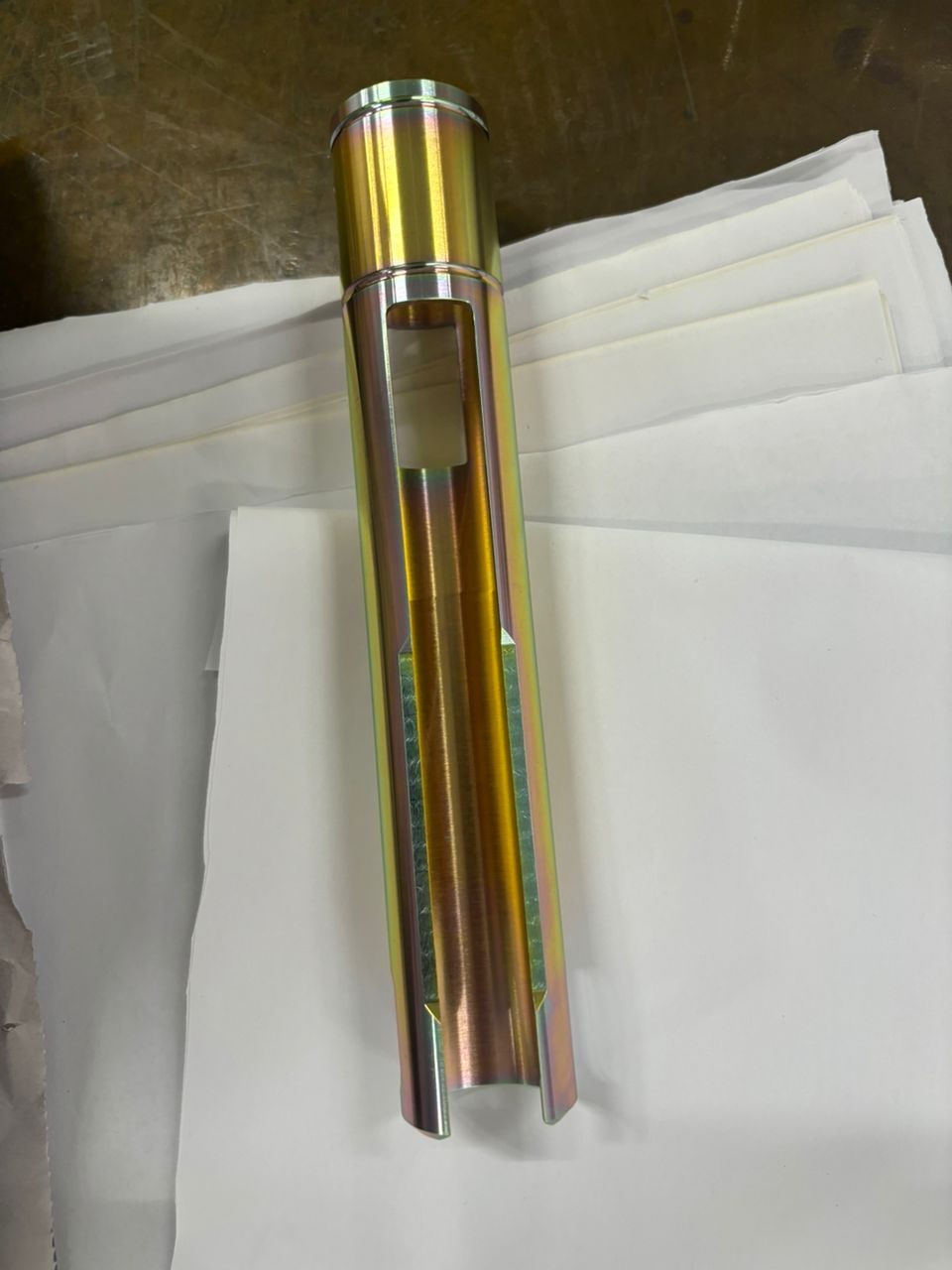
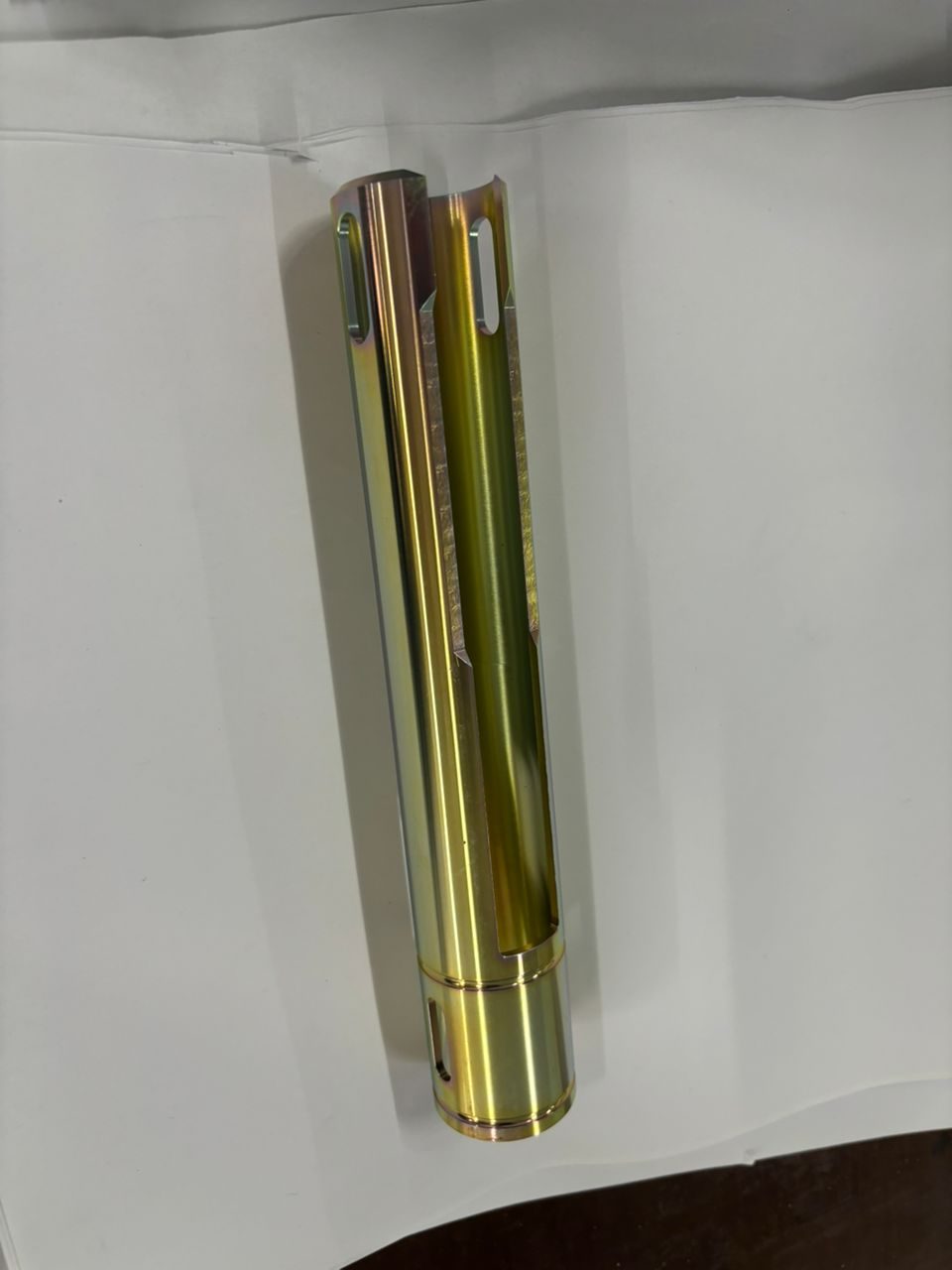
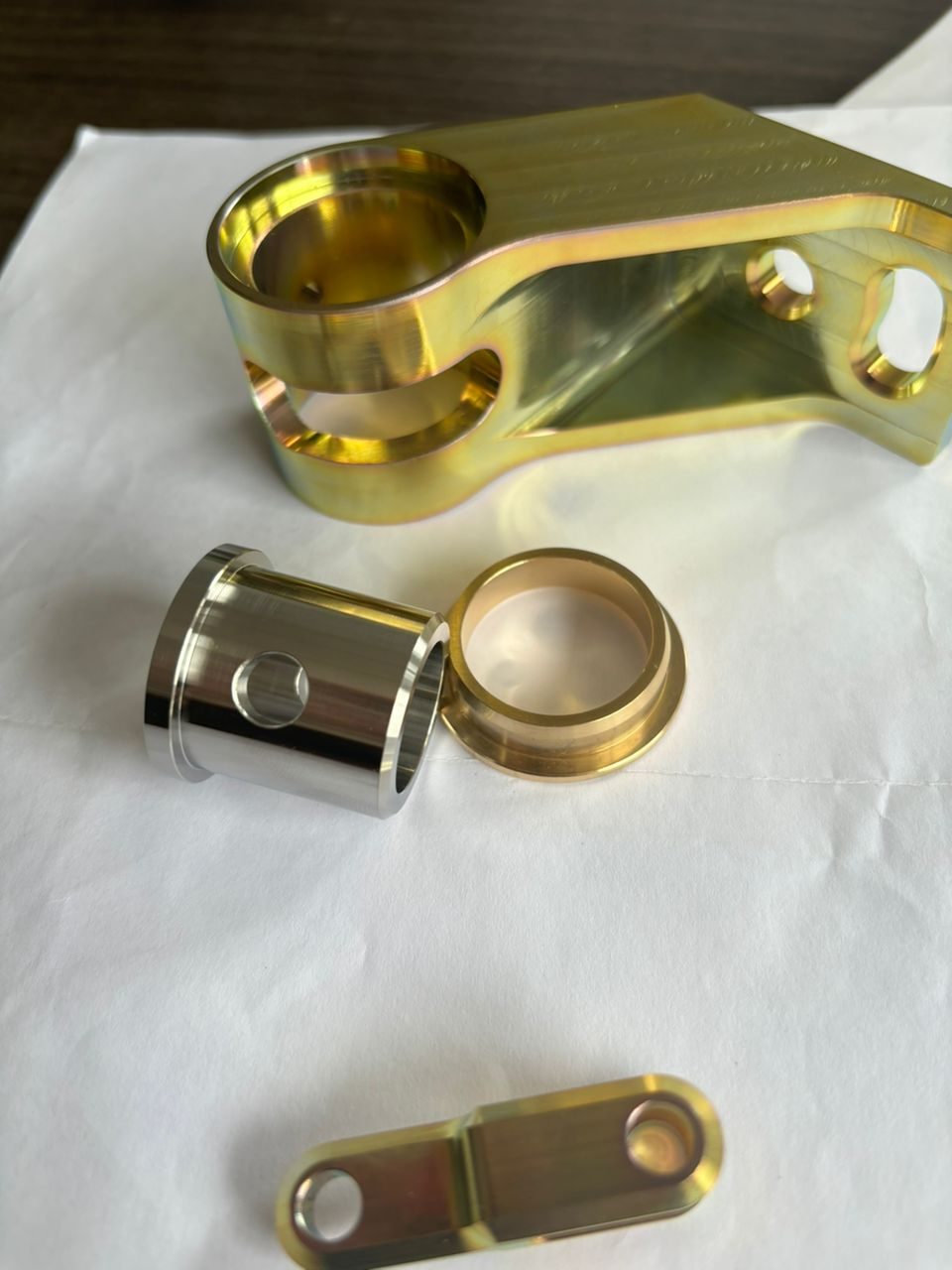
On our factory floor
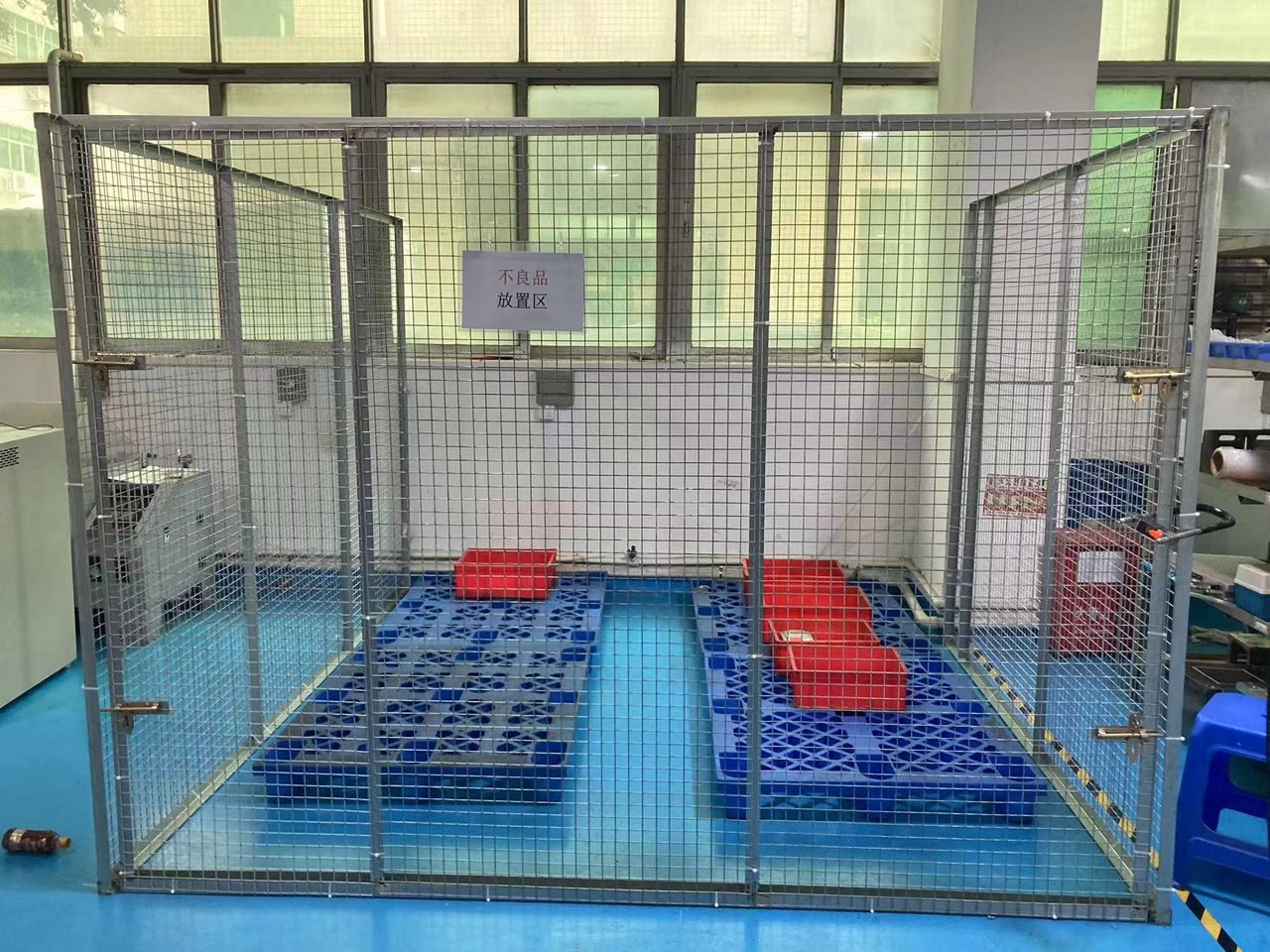
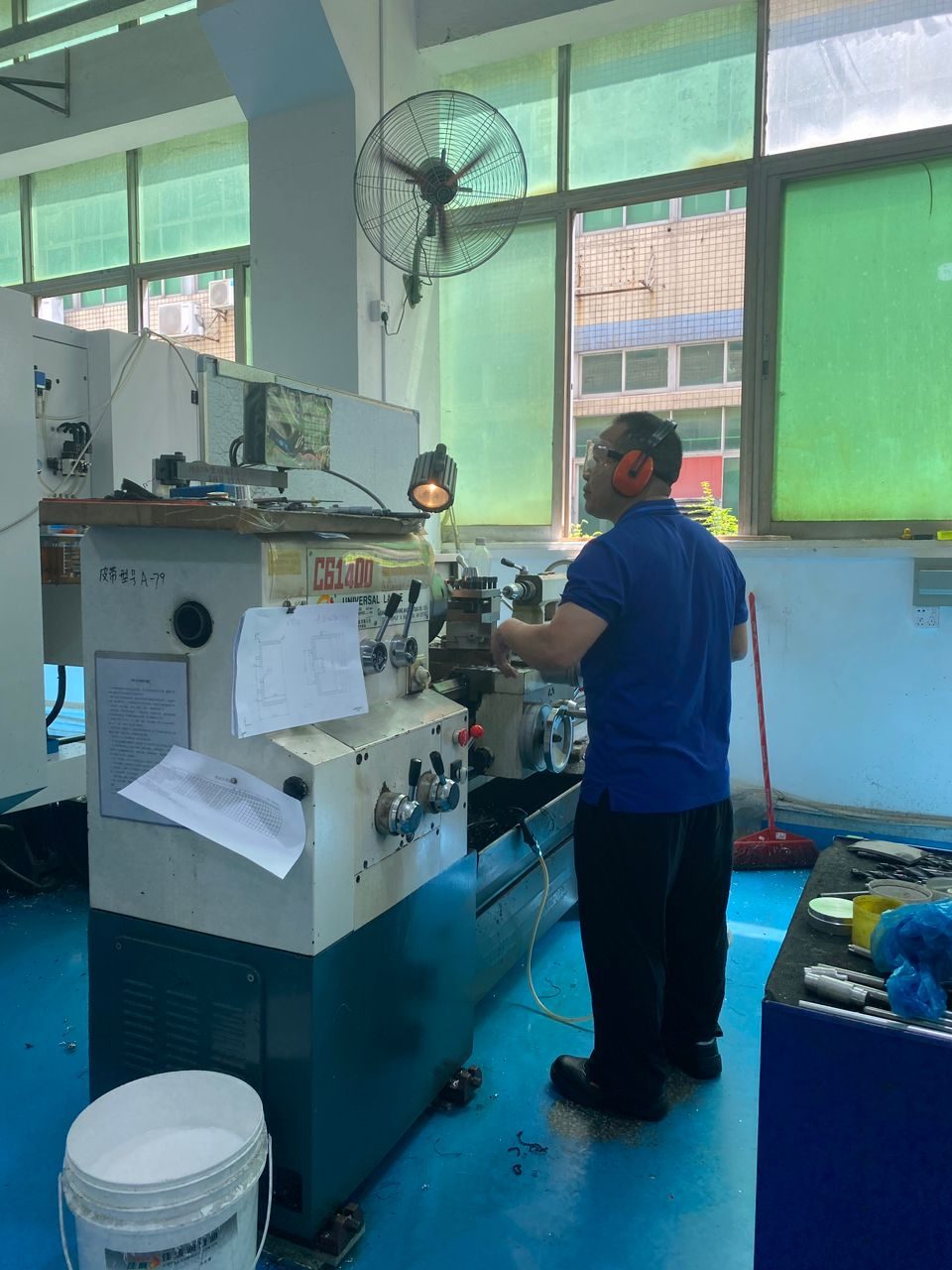
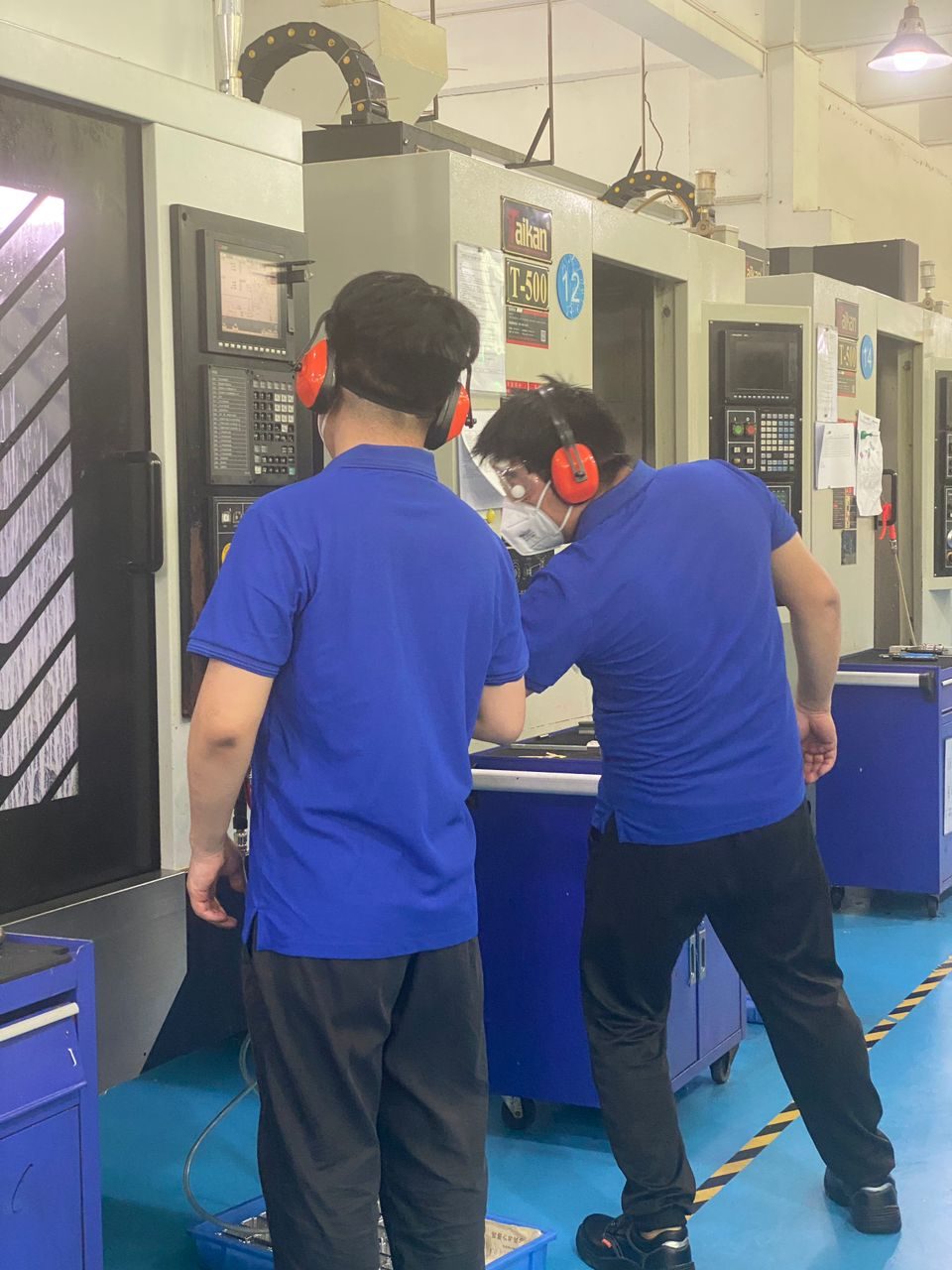

Certified quality — verifiable
Click any certificate to view the full document.




Frequently Asked Questions
What is DFM in CNC machining?
DFM (Design for Manufacturability) means designing a part so it machines efficiently — appropriate wall thickness, generous internal radii, sensible hole depths, standard threads, and tolerances applied only where needed. Good DFM lowers cost, shortens lead time, and reduces rejects. We apply a free DFM review to every quote.
What is the minimum wall thickness for CNC machined parts?
As a rule, keep walls at least 0.8 mm for metals and 1.5 mm for plastics. Thinner walls vibrate under the tool, hurting finish and tolerance and raising scrap. Thin walls are possible with special fixturing, but they add cost — tell us if one is unavoidable.
How deep can holes and pockets be?
Drilled holes are most economical up to about 4× the diameter in depth (deeper is possible with special drills at higher cost), and pockets should stay within about 4× the tool diameter to avoid tool deflection and chatter. Wider, shallower features machine faster and hold tolerance better.
Does material choice change machining cost?
Significantly. Free-machining aluminum and brass cut fast and cheap; stainless, titanium, and superalloys are slower and harder on tooling, so the same geometry costs more. If your application allows, choosing a more machinable grade cuts cost — we are happy to suggest options.
Discuss your project with an engineer.
Send us your CAD files and requirements. We will review manufacturability and reply with next steps.