


5-Axis CNC Machining
Complex geometry. Fewer setups. Higher precision.
5-Axis CNC Machining at JUDA Technology
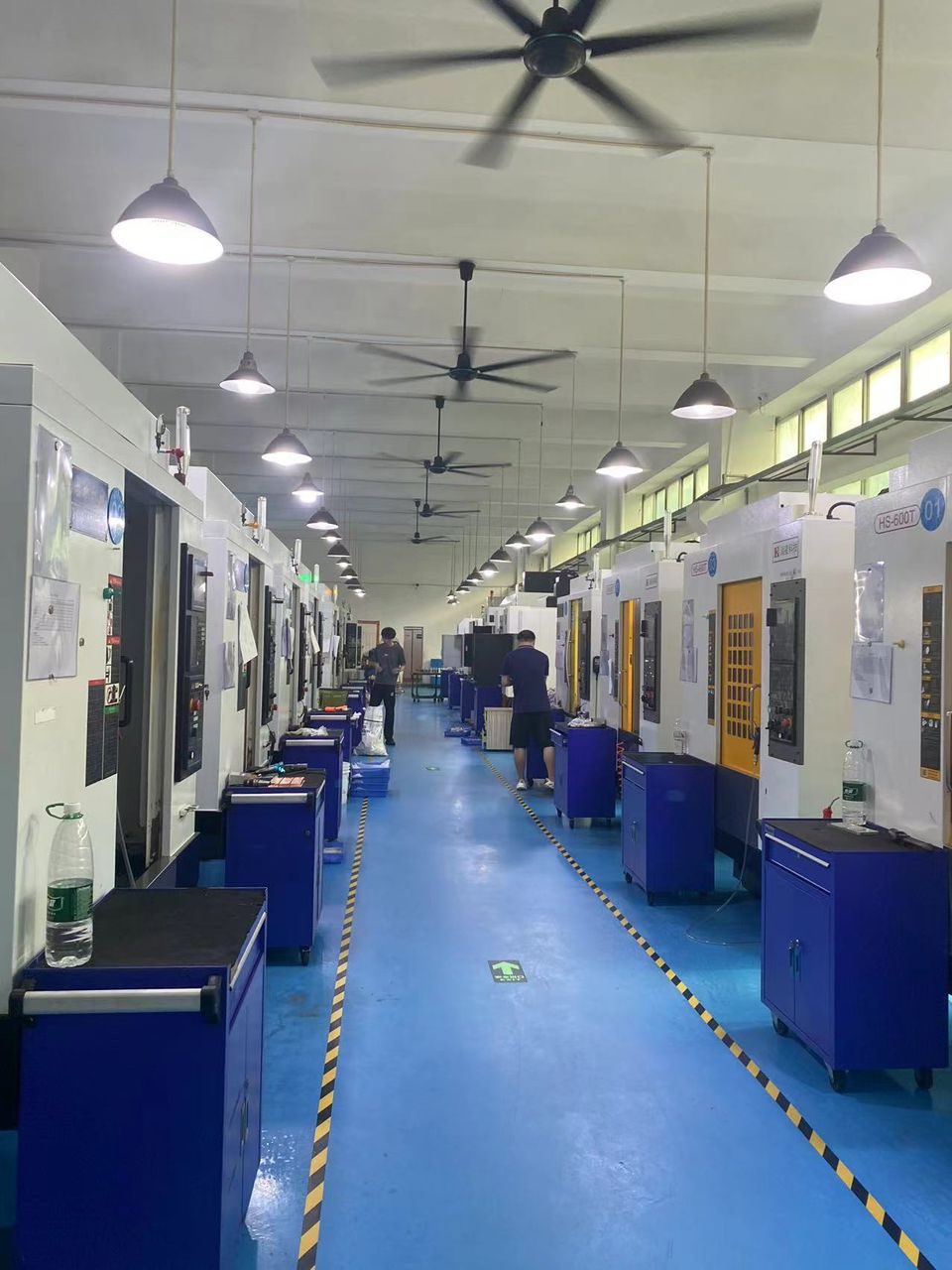
JUDA Technology operates 7 five-axis CNC machining centers in our 4,500 m² Shenzhen facility, producing complex parts for medical, aerospace, defense, automotive, and robotics customers worldwide. Five-axis machining lets us hold tolerances down to ±0.005 mm on parts that would require multiple setups, fixturing changes, and re-datuming on a 3-axis machine — eliminating the cumulative error those introduce.
If your design has compound angles, undercuts, deep pockets, scalloped surfaces, or any geometry that needs the cutter approaching the workpiece from a non-orthogonal direction, 5-axis is usually the right answer — not just for accuracy, but for cycle time, surface finish, and tool life. This page walks through what 5-axis machining is, when to use it, what we run on our floor, and how to brief us for a quote.
What is 5-Axis CNC Machining?
A 5-axis CNC mill moves the cutting tool along three linear axes (X, Y, Z) plus two rotational axes — typically A and C, or B and C depending on the machine configuration. The two rotational axes let the cutter approach the part from any direction in a hemisphere above the table, so a single setup can finish faces, angled features, and undercuts that a 3-axis mill would need 3–6 separate setups to reach.
Two main 5-axis configurations exist:
- 3+2 (positional 5-axis) — the two rotary axes index to a fixed orientation, then the three linear axes do the cutting. This is what most “5-axis” jobs actually use. Faster, more rigid, easier to program.
- Continuous 5-axis (simultaneous) — all five axes move during the cut. Required for blisks, impellers, conformal cooling channels, and smooth blended surfaces. More expensive to program and run, but unmatched for organic shapes.
At JUDA we run both. Roughly 70% of our 5-axis work is 3+2 (the practical workhorse); 30% is simultaneous, mostly for aerospace structural parts and medical implants.
When 5-Axis CNC Is the Right Choice
Five-axis isn’t free — programming time is longer, machine hourly rates are higher, and fixturing must be designed to clear the tilting table. The economics favor 5-axis when:
- The part has features on 4 or more faces and re-fixturing on a 3-axis machine would introduce ≥0.02 mm error
- Tolerances are tighter than 0.02 mm across faces that meet at angles
- The geometry requires undercuts, deep narrow pockets, or compound chamfers
- Surface finish needs to be Ra ≤ 0.8 µm on contoured surfaces (5-axis lets us use shorter, more rigid tools)
- Cycle time is dominated by setup, and a one-setup 5-axis run beats six 3-axis setups
For simple prismatic parts (brackets, plates, housings with features on only 1–2 faces), 3-axis is usually faster and cheaper. We will tell you honestly during the DFM review which is the better choice for your part.
Our 5-Axis Equipment
Our 5-axis floor includes:
- 7 five-axis CNC machining centers — mix of trunnion-table and head-head configurations
- Working envelopes from 500×400 mm to 1,200×800 mm
- Spindle speeds up to 24,000 RPM (high-speed machining for aluminum and titanium)
- HSK-A63 tool holders for vibration-free chatter-free finishing
- Tool magazines of 40–60 stations per machine for unattended multi-operation runs
- Probing and tool-length presets for in-process verification
Backing the 5-axis cells: 8 CMM and quality testing labs including Zeiss and Mitutoyo coordinate measuring machines for first-article inspection and full PPAP/FAI documentation.
Materials We Machine on 5-Axis
Every common engineering material — and many uncommon ones:
Aluminum alloys
6061, 6082, 7075, 2024, ADC12. Aluminum is the bread-and-butter of 5-axis high-speed machining — light, free-machining, predictable. We run aerospace 7075 parts at 20,000+ RPM with through-spindle coolant for clean, burr-free finishes.
Titanium
Grade 2 (commercially pure) and Grade 5 (Ti-6Al-4V) for medical implants, aerospace brackets, defense parts. Titanium demands rigid setups, sharp tools, and proper coolant strategy. Our 5-axis machines run with high-pressure coolant (70+ bar) to clear chips from deep pockets.
Stainless steel
303, 304, 316, 316L, 17-4 PH. Common in medical instruments, marine hardware, and defense applications. 5-axis lets us finish thin-walled stainless parts in one setup without distortion from re-clamping.
Specialty alloys
Inconel 718, Hastelloy C-22, Monel 400 for energy and defense applications. These work-hardening alloys reward the constant tool engagement that simultaneous 5-axis provides.
Plus
Carbon and alloy steels (1018, 4140, 4340, D2), copper alloys (C10100, C11000, C360 brass), bronze (C932, Phosphor), and magnesium (AZ91D).
Quality & Documentation
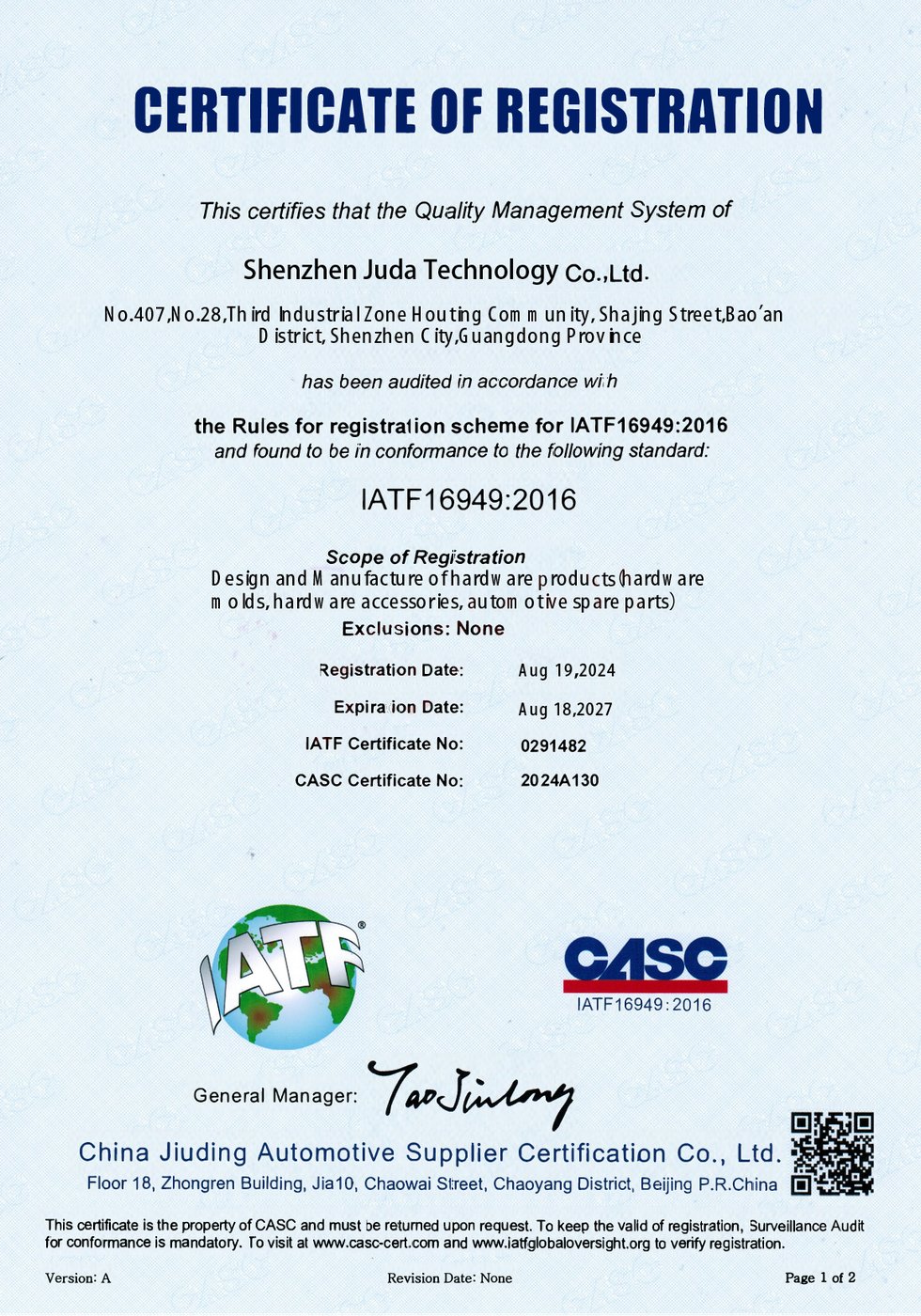
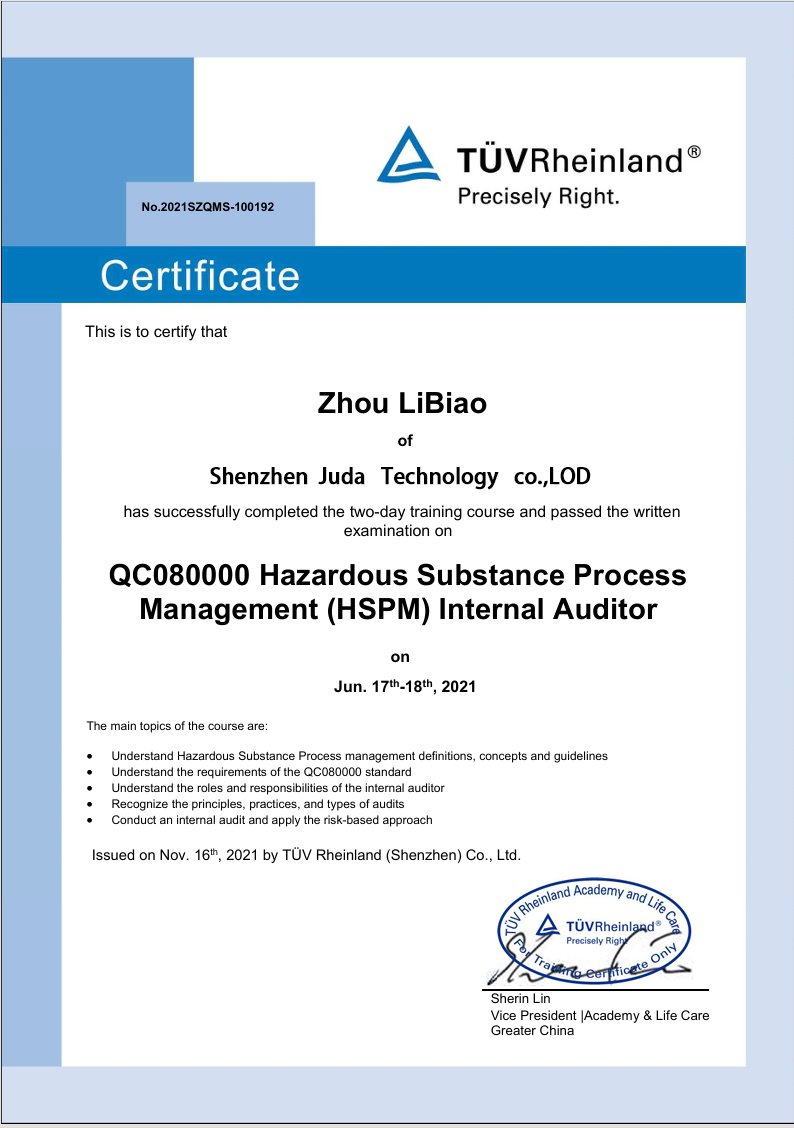
Our 5-axis production runs under IATF 16949 (automotive), ISO 9001, ISO 14001, and QC080000. We deliver full PPAP and FAI (AS9102) documentation with every production batch, including:
- CMM dimensional inspection reports
- Material certifications (MTRs) traceable to mill heat
- Surface roughness measurements
- Hardness testing where specified
- Certificates of Conformance (CoC)
- First Article Inspection per AS9102 for aerospace
Typical Lead Times
- Prototype (1–5 parts): 24–72 hours from approved drawing + 3D model
- Small batch (10–100 parts): 7–10 business days
- Production (100–10,000+ parts): 14–30 business days, depending on complexity and finishing
- Tooling and fixtures: included in NRE for production runs >500 parts
How to Request a 5-Axis CNC Quote
To get an accurate quote in under 24 hours, send us:
- 3D model in STEP, IGES, or X_T format (preferred). 2D drawings only if 3D not available.
- 2D drawing with critical dimensions, tolerances, surface finish callouts, material spec, and any heat treatment or surface treatment requirements.
- Quantity for prototype + production volumes.
- Target delivery date.
- End-use industry — affects documentation requirements (PPAP for automotive, AS9102 for aerospace, etc.)
We provide free DFM (Design for Manufacturing) feedback with every quote — if your part can be made simpler, cheaper, or stronger, we will tell you before you commit to production.
Why Customers Choose JUDA for 5-Axis Work
- 15 years of 5-axis experience — not a workshop that bought a 5-axis machine yesterday
- 140 employees, 25 senior engineers — real DFM partnership, not just machining
- Audited supplier for Huawei, BYD, Emerson, ZTE, Mercedes-Benz — global brand qualifications
- 20% annual R&D reinvestment — we keep our equipment and processes current
- Multilingual sales team — English, Chinese, Hebrew, Spanish, Romanian, Arabic, French, German, Portuguese
- One-stop manufacturing — machining, finishing, assembly, packaging, export — all under one roof
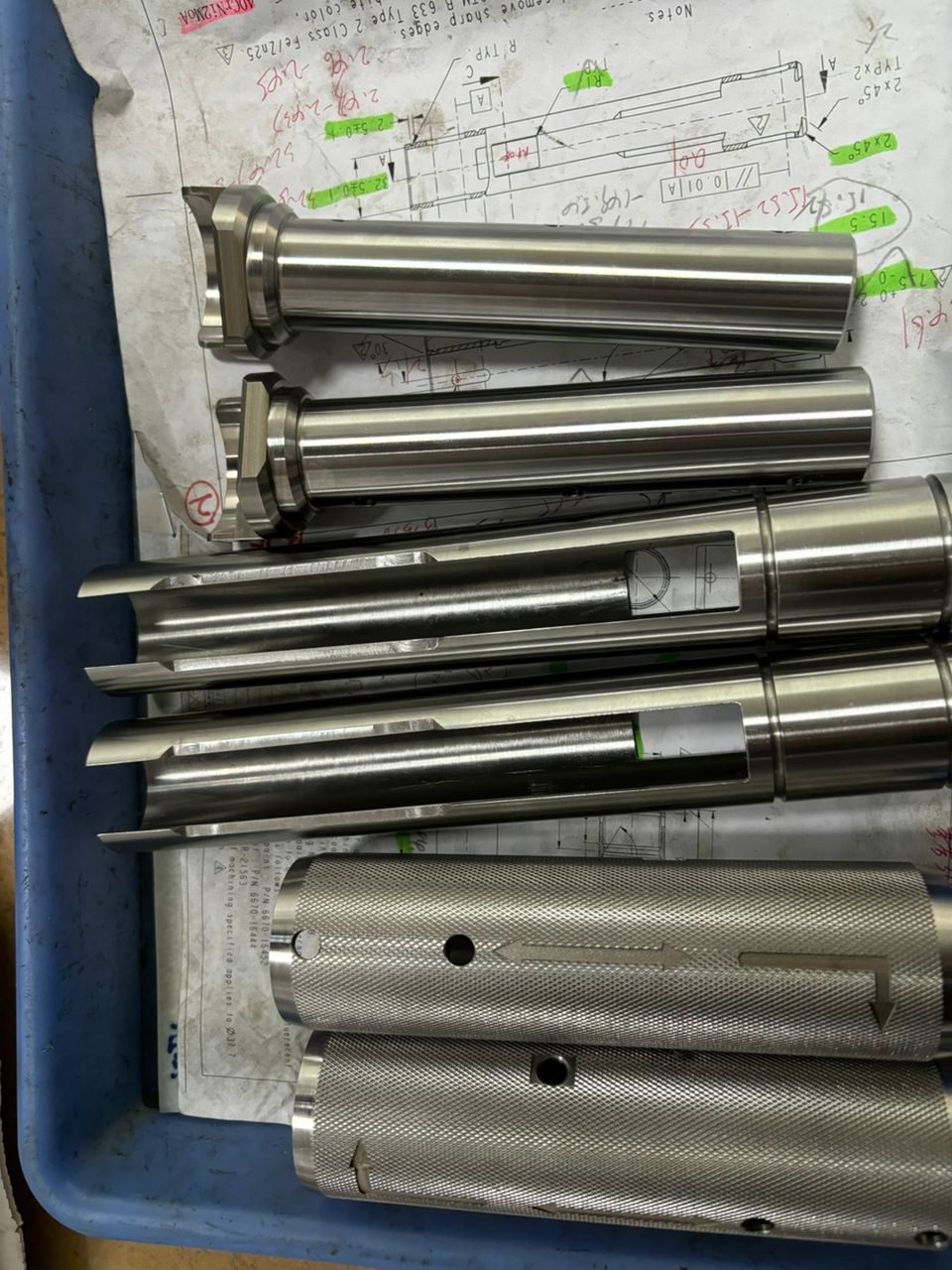
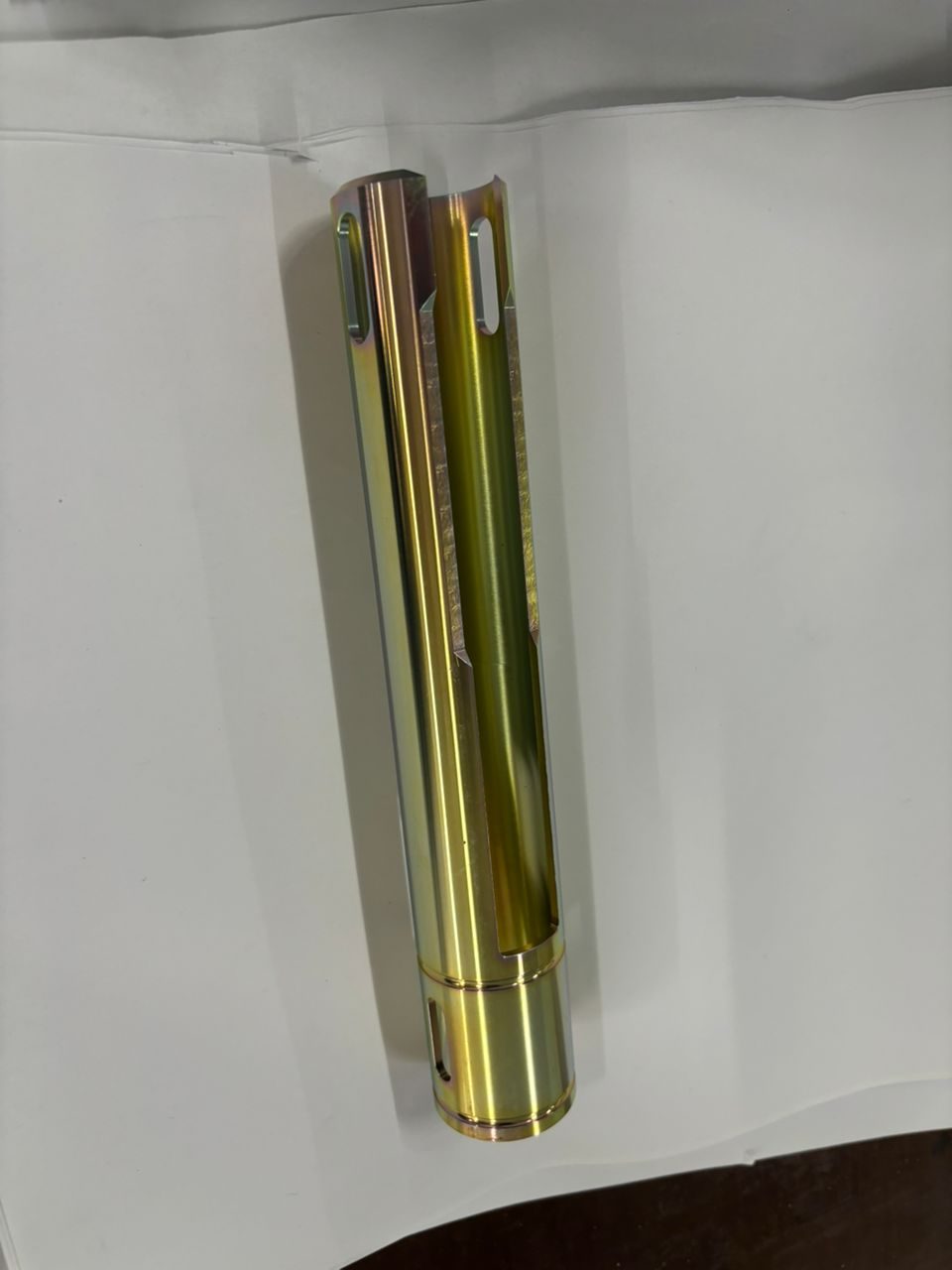
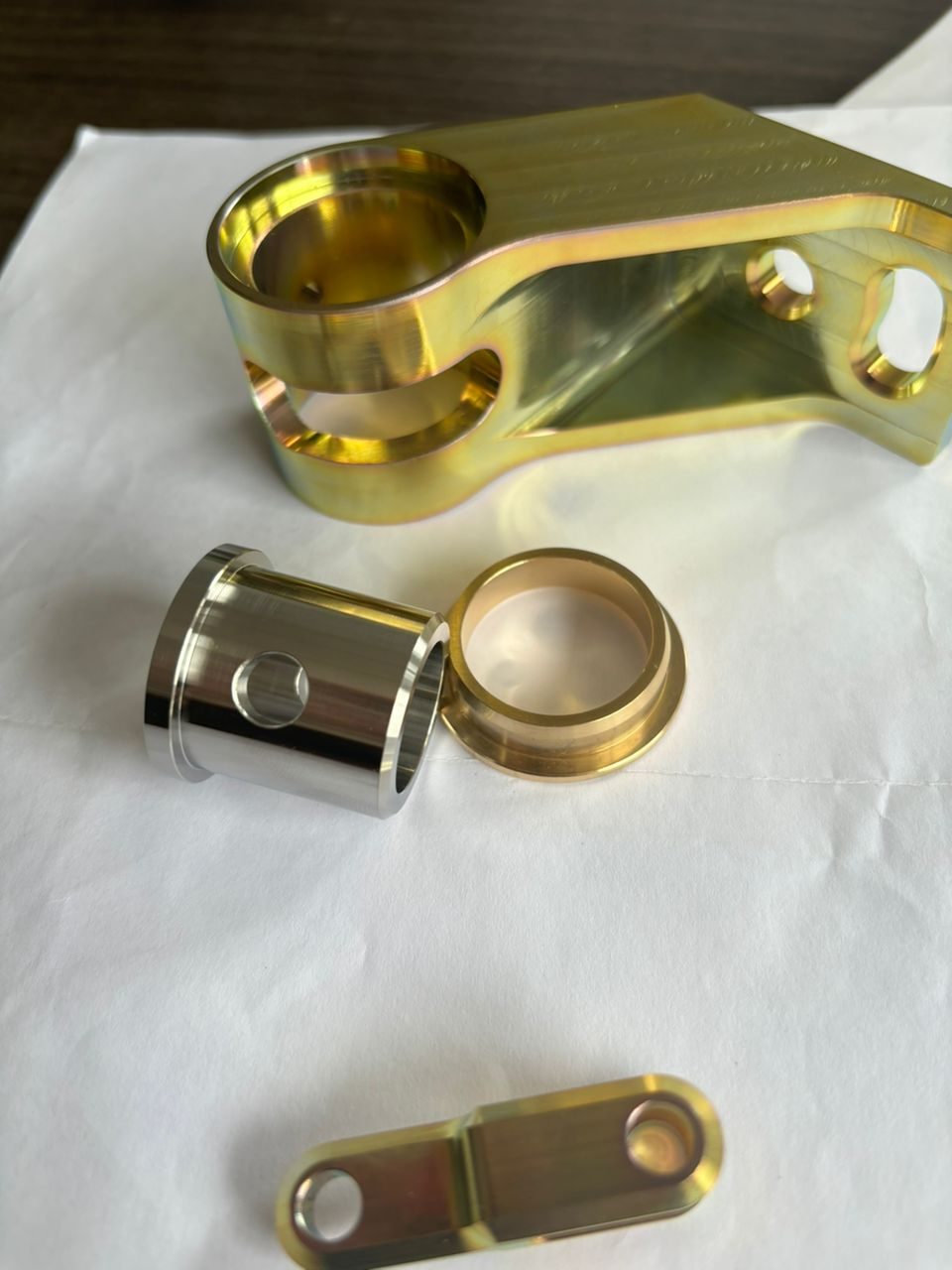
Real parts we've machined
Precision you can verify — actual production parts from our Shenzhen floor.
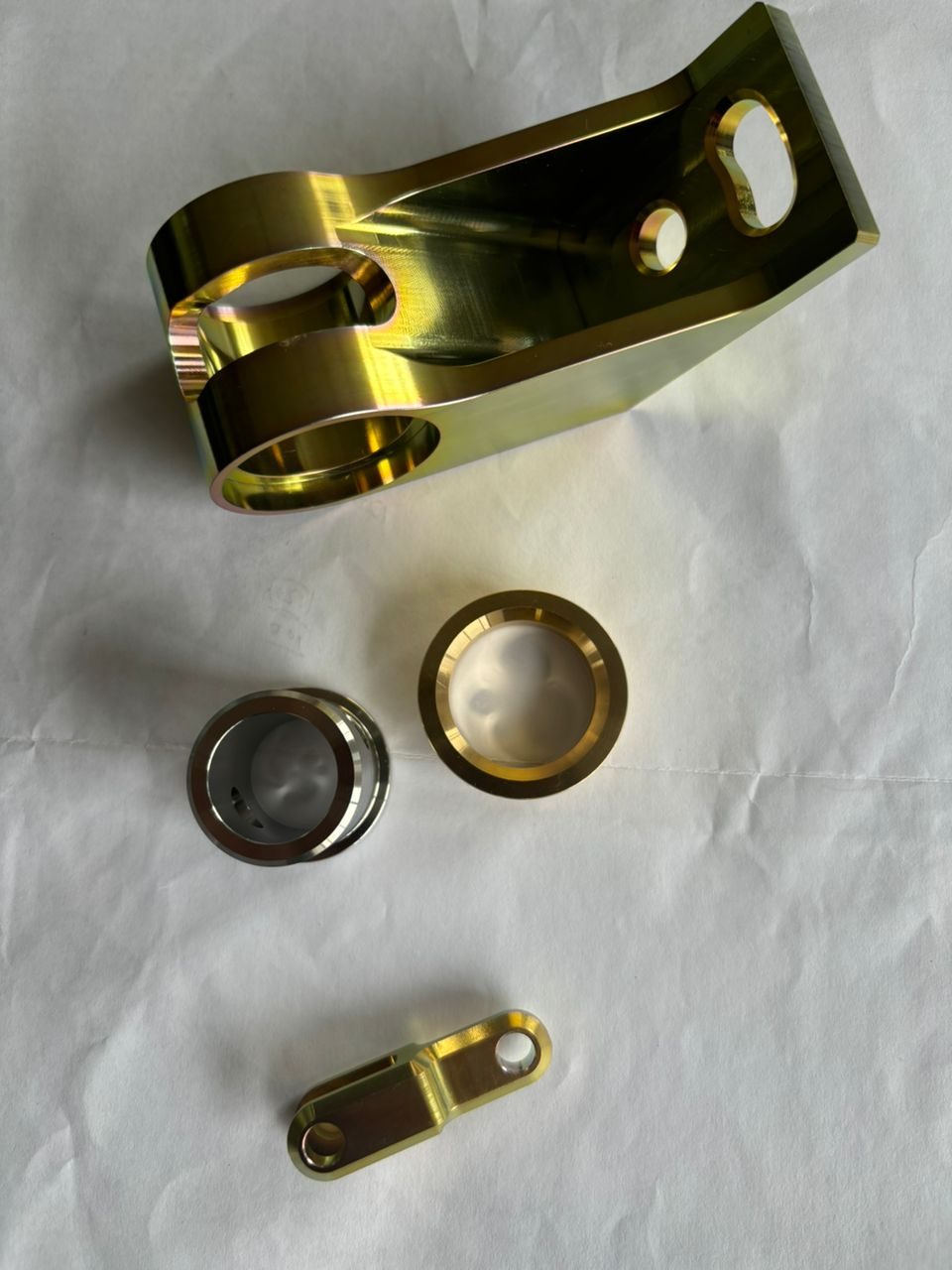
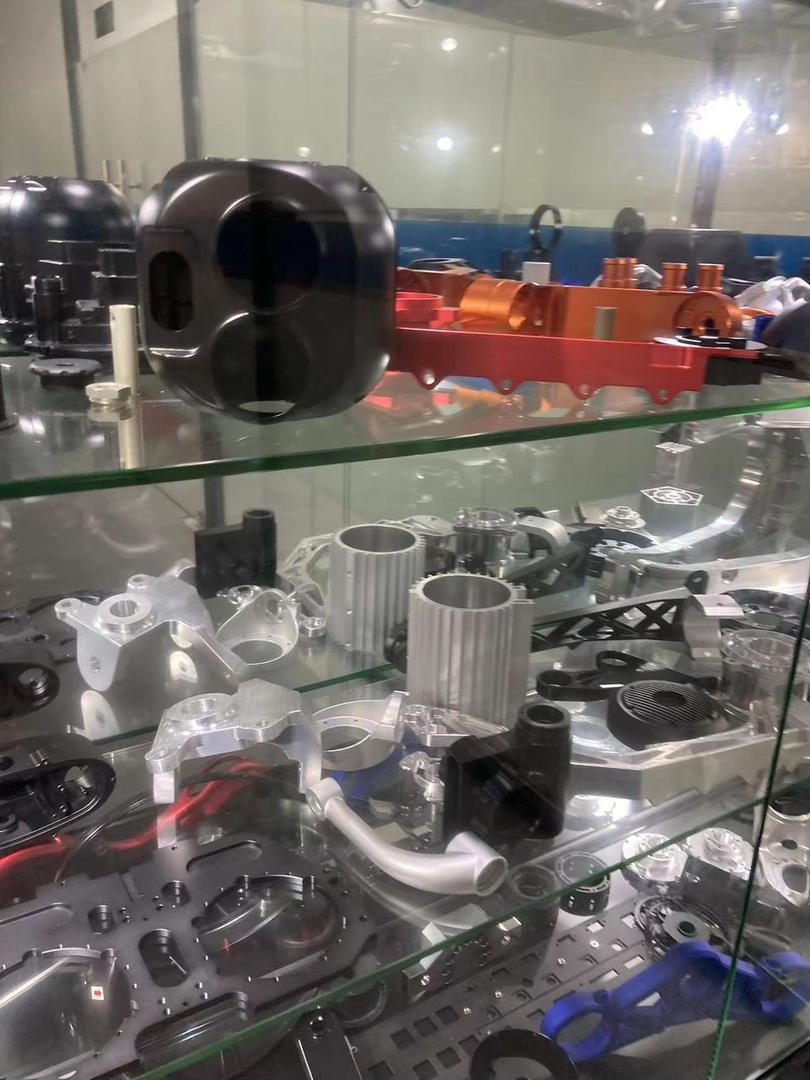
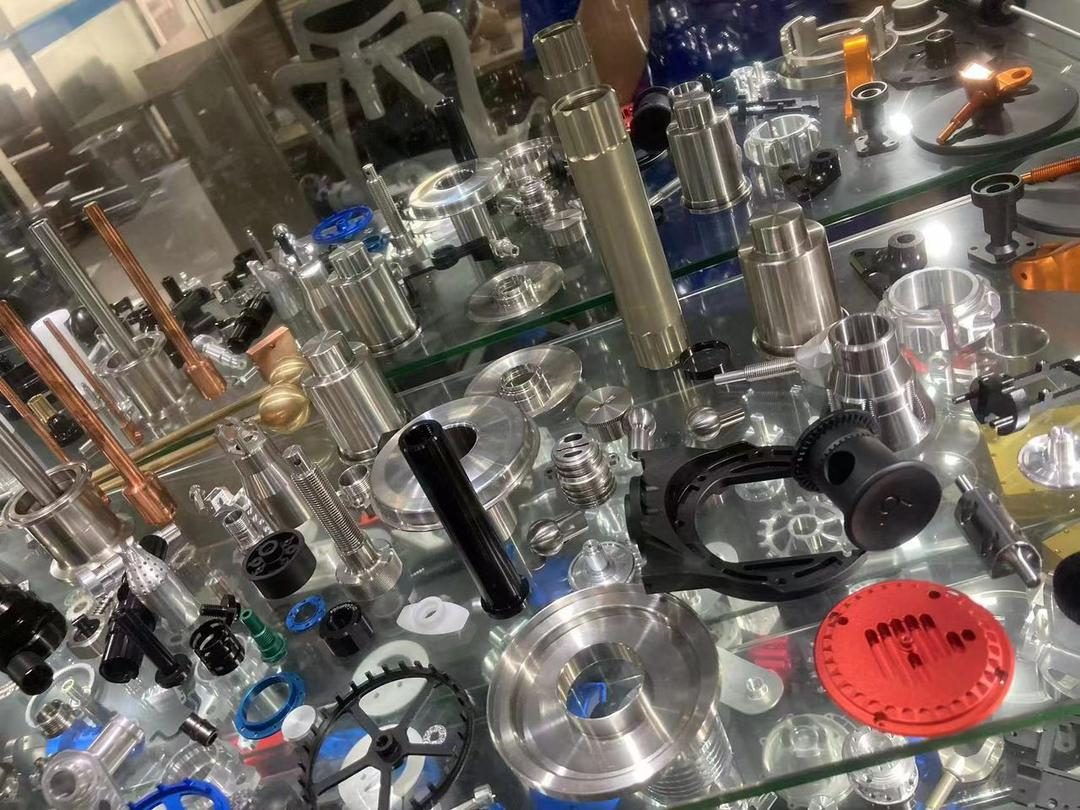
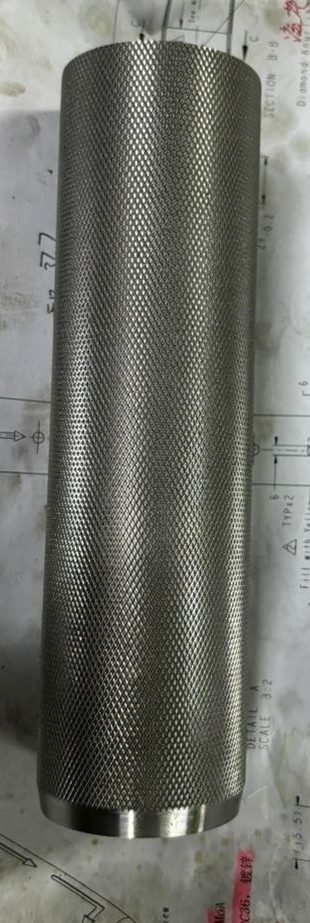
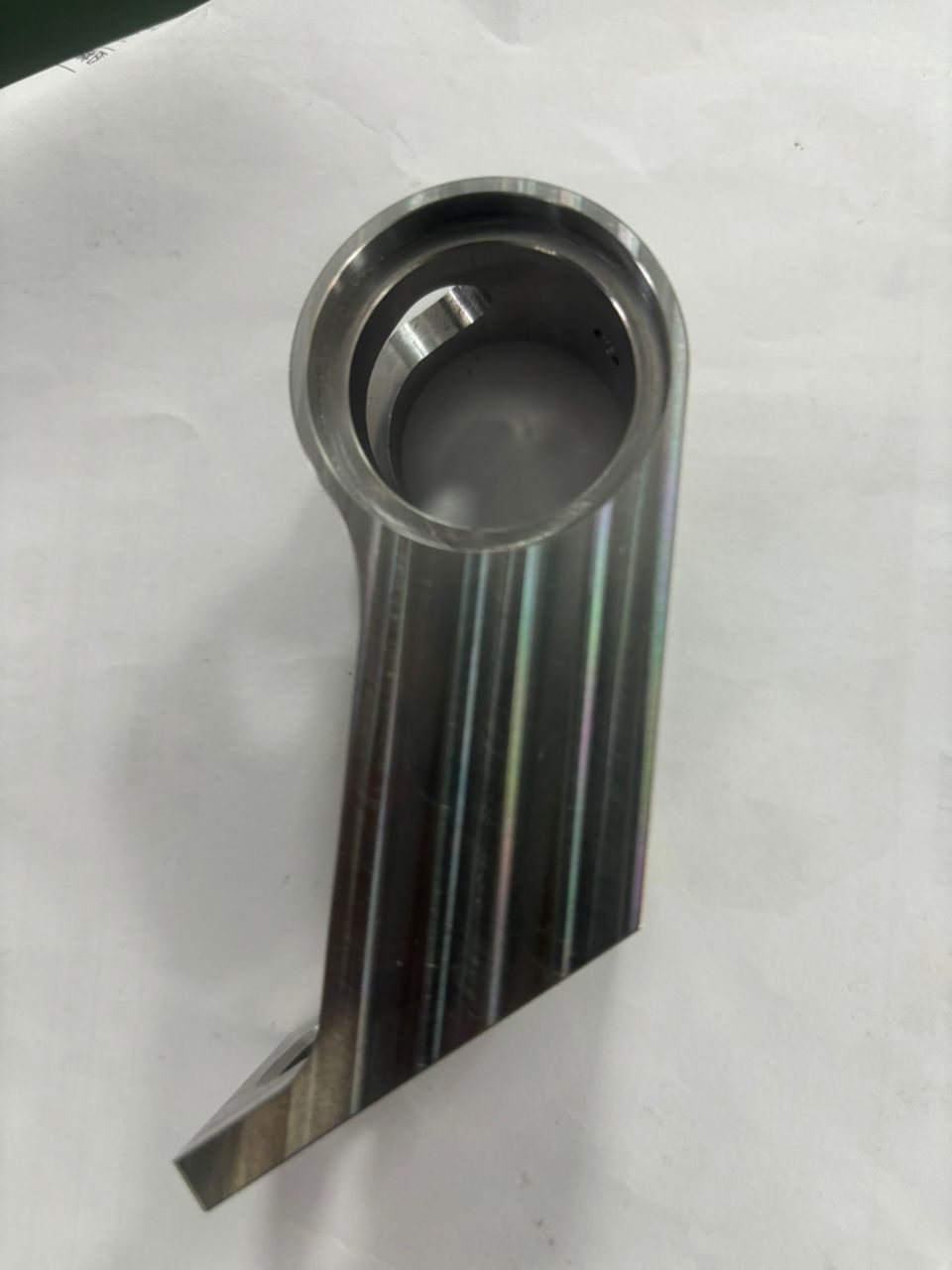
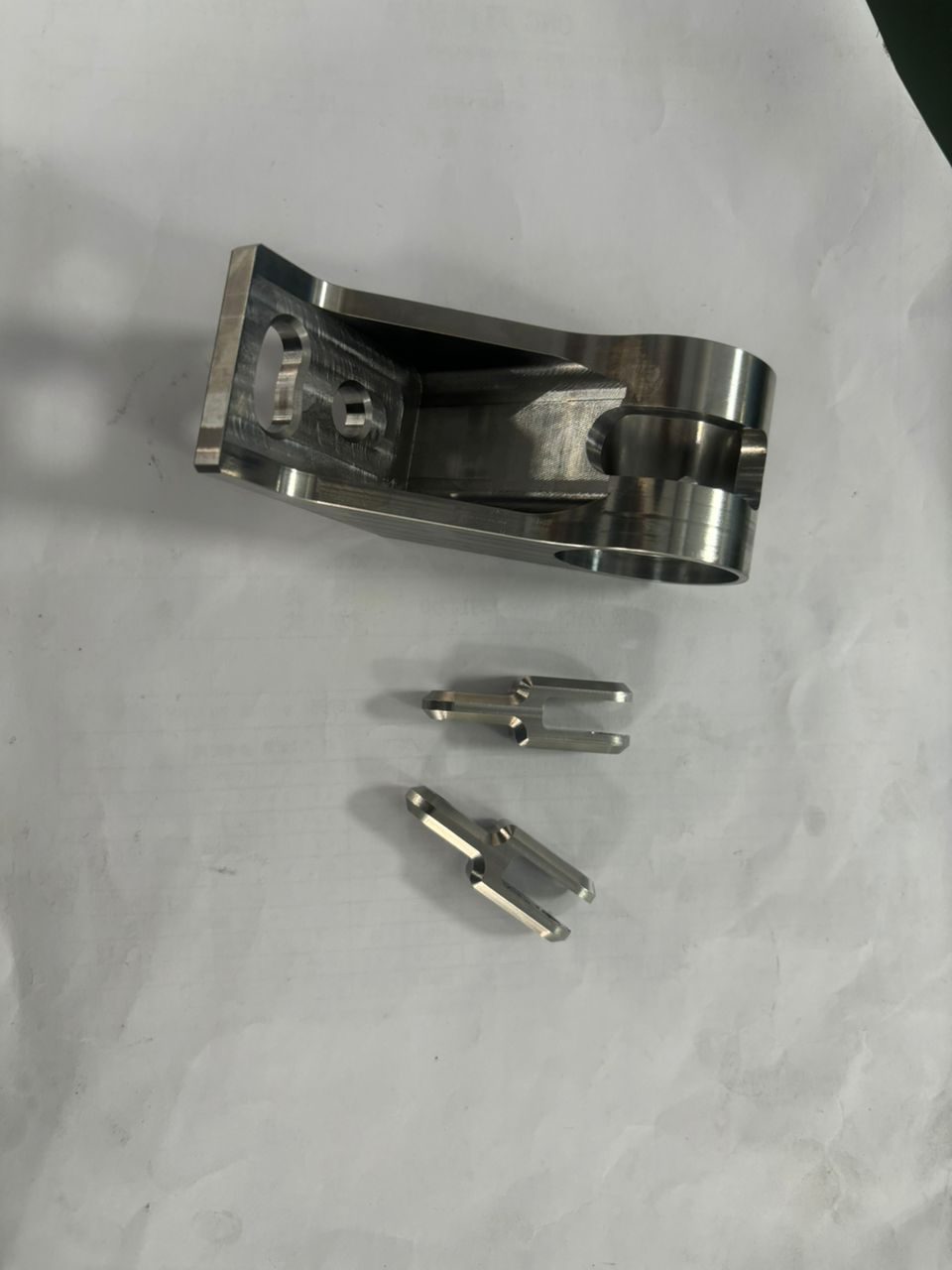
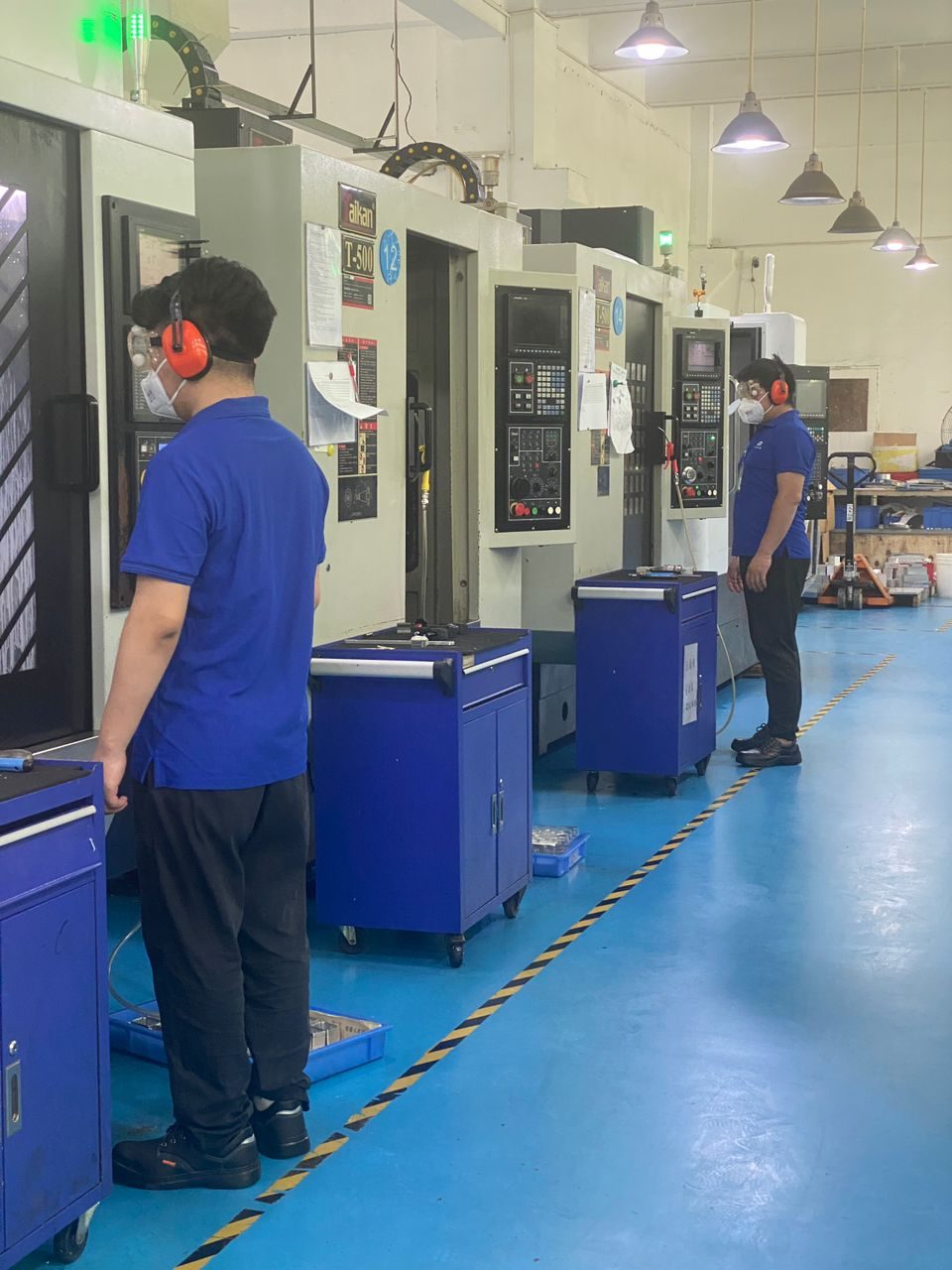
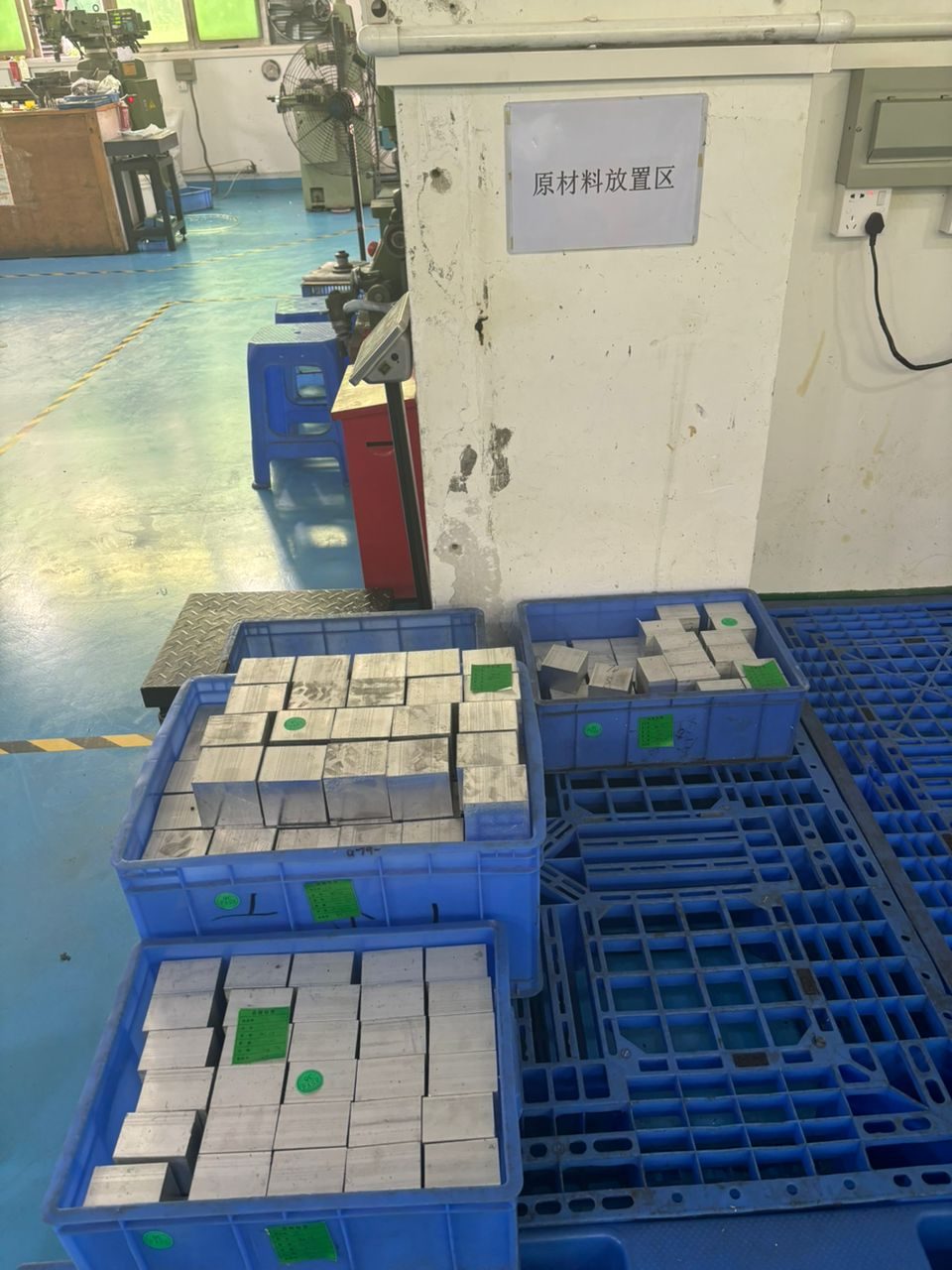
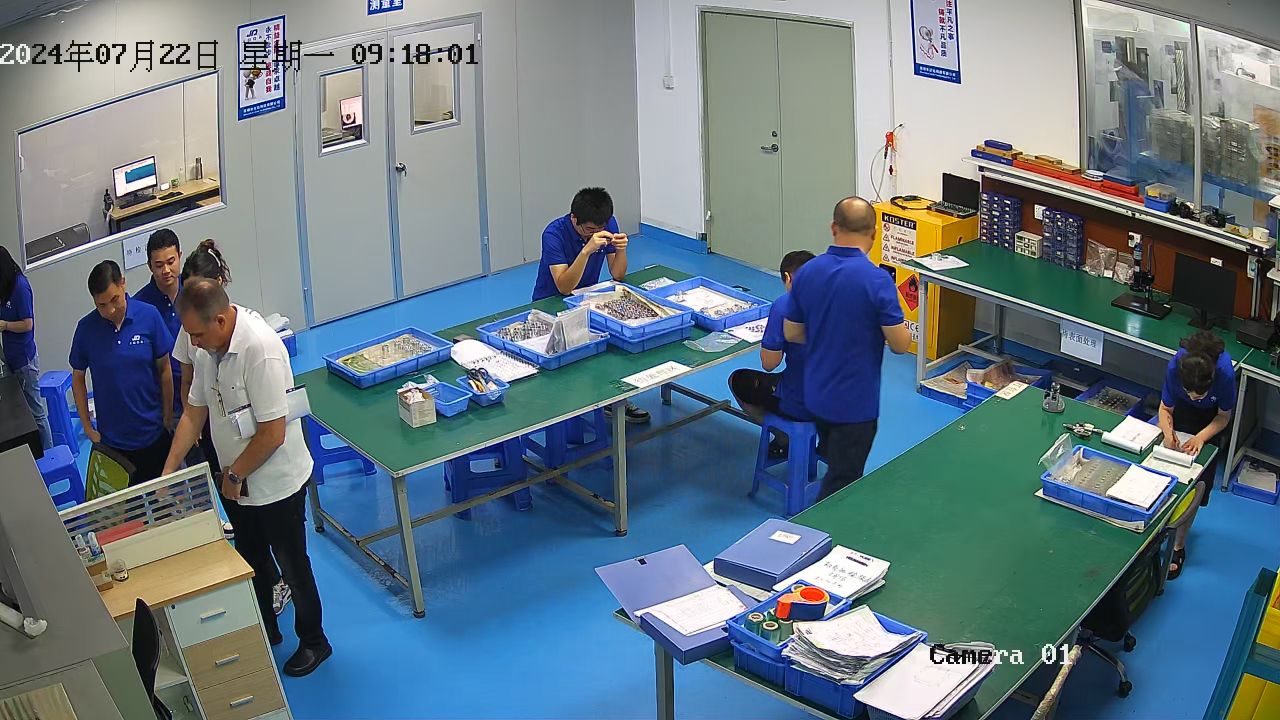
On our factory floor
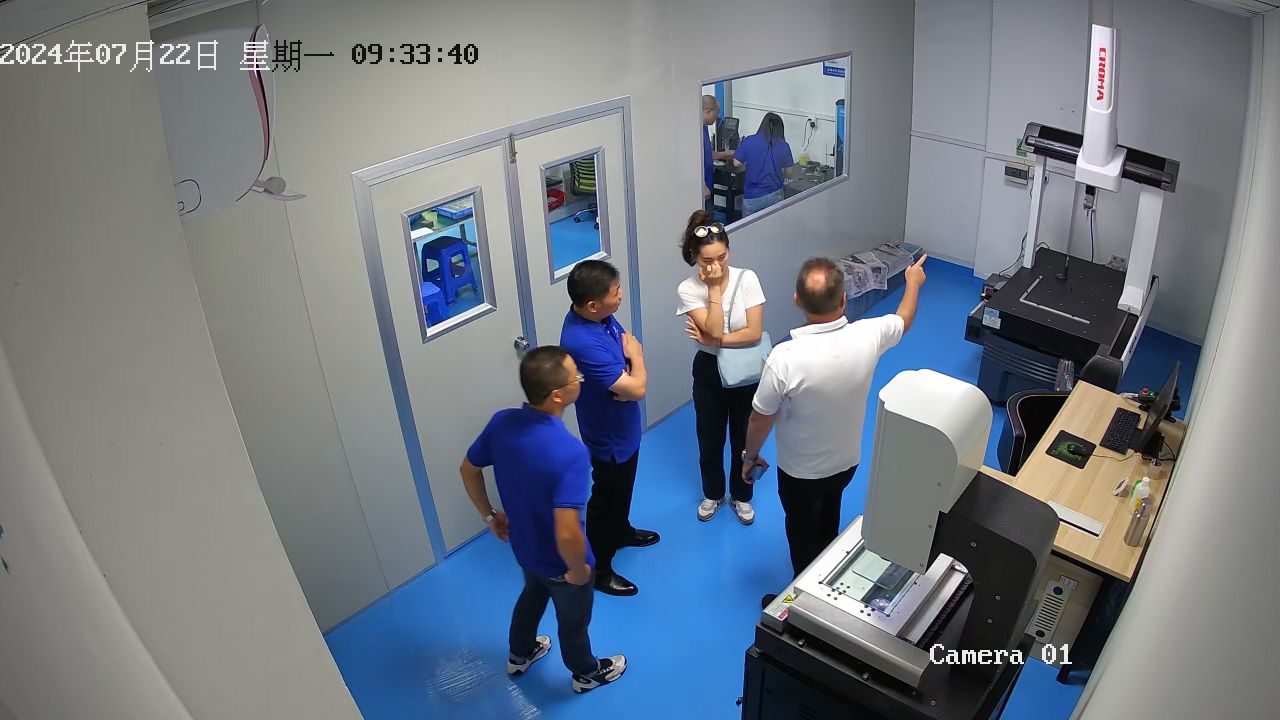
Certified quality — verifiable
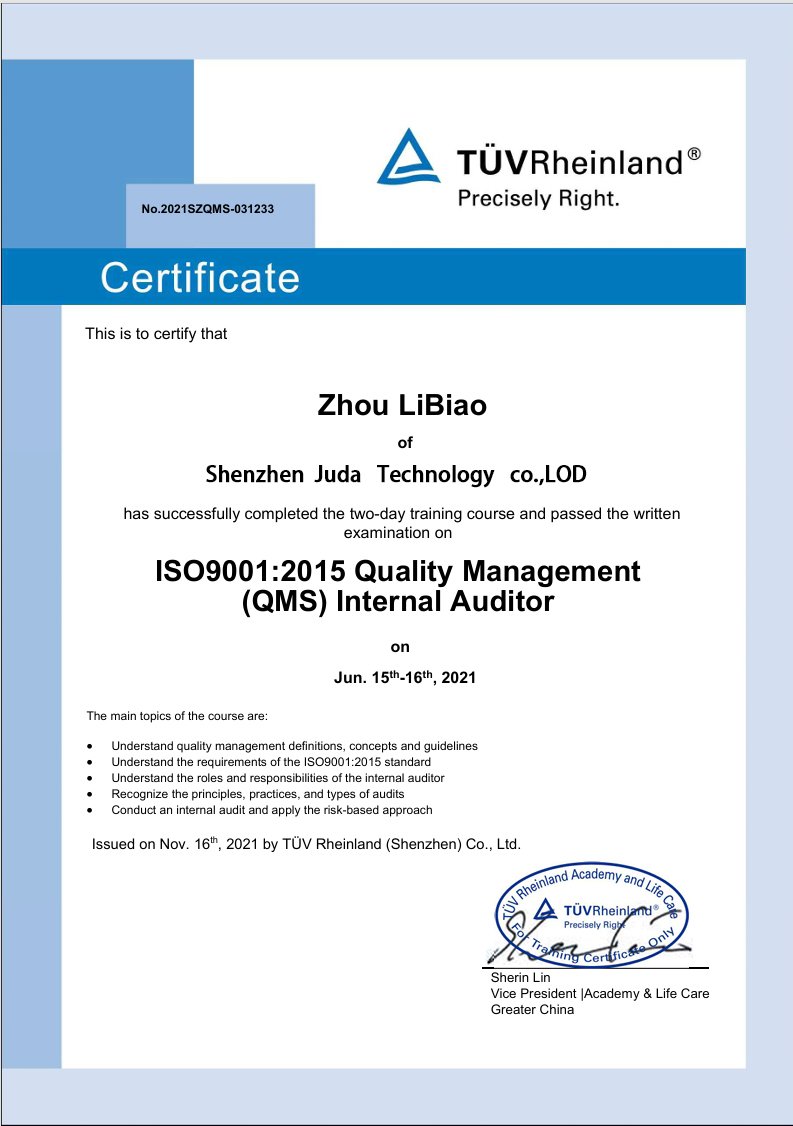
Click any certificate to view the full document.

Frequently Asked Questions
What is the difference between 3-axis and 5-axis CNC machining?
A 3-axis CNC mill moves the cutter along X, Y, and Z linear axes. A 5-axis mill adds two rotational axes (typically A and C, or B and C), allowing the cutter to approach the part from any direction. This means a 5-axis machine can finish a complex part in one setup that would require 3-6 separate setups on a 3-axis machine, eliminating cumulative fixturing errors and reducing total cost on complex geometries.
What tolerances can JUDA hold on 5-axis CNC machining?
We routinely hold ±0.005mm (±0.0002") on critical features using our 5-axis machining centers with HSK-A63 tool holders, in-process probing, and full CMM verification. For specific tolerances tighter than ±0.005mm, contact us — we can discuss process capability for your specific feature and material.
What materials can you machine on 5-axis equipment?
Aluminum (6061, 6082, 7075, 2024, ADC12), Stainless Steel (303, 304, 316, 316L, 17-4 PH), Carbon and Alloy Steel (1018, 1045, A36, 4140, 4340, D2), Titanium (Grade 2 and Grade 5 / Ti-6Al-4V), Copper and Brass (C10100, C11000, H62, C360), Bronze (C932, Phosphor), Magnesium (AZ91D, AM60, ZK60), and specialty alloys including Inconel 718, Hastelloy C-22, and Monel 400.
How fast can you deliver a 5-axis prototype?
Prototypes of 1-5 parts can ship in 24-72 hours from approved drawing and 3D model, depending on material availability and complexity. Send your STEP file and we will confirm an exact lead time within 24 hours.
Do you provide PPAP and FAI documentation?
Yes. We deliver full PPAP (Production Part Approval Process) for automotive customers under our IATF 16949 certification, and First Article Inspection (FAI) per AS9102 for aerospace customers. CMM reports, material certifications (MTRs), Certificates of Conformance, and any other quality documentation can be included with shipment.
What certifications does JUDA hold for 5-axis production?
IATF 16949 (automotive quality management), ISO 9001 (general quality management), ISO 14001 (environmental management), and QC080000 (hazardous substance process management). All 5-axis production runs under these systems.
What is the cost difference between 3-axis and 5-axis machining?
Per-hour, 5-axis rates are typically 30-60% higher than 3-axis. However, total part cost is often LOWER on 5-axis for complex geometries because: (1) single setup eliminates re-fixturing labor, (2) shorter, more rigid tools allow higher cutting speeds, (3) better surface finish reduces secondary operations, and (4) tighter tolerances are held without manual adjustment. We will quote both options when applicable so you can compare.
Discuss your project with an engineer.
Send us your CAD files and requirements. We will review manufacturability and reply with next steps.