


CNC Machining: China vs USA
An engineering-led comparison of cost, speed, quality and sourcing risk.
CNC Machining China vs USA — An Honest Comparison
We’re a China factory, so read this knowing our bias — but we’ve tried to keep it fair, because the wrong sourcing decision wastes everyone’s time. The short version: China wins decisively on cost and capacity, is competitive on quality when you pick the right factory, and gives up ground on lead time for one-off rush jobs and on convenience for very low-volume domestic work. Here’s the detail.
Cost
This is China’s clearest advantage. Machine-hour rates run roughly $25–50/hr in China versus $60–120/hr in the US. Labor, overhead, and a denser supply chain drive the gap. On a finished, finished-and-inspected part the total saving is commonly 30–60%, even after express shipping — and the gap is largest on labor-intensive parts, finishing-heavy work, and medium-to-high volumes. For a handful of simple parts needed tomorrow, the saving shrinks.

Quality
Quality is factory-specific, not country-specific. A shop running ISO 9001 / IATF 16949 systems, inspecting on Zeiss/Mitutoyo CMMs, and supplying material certs and FAI reports produces parts indistinguishable from a good US shop — we do exactly this. The real risk in China is the marketplace model, where your job is brokered to an unknown low bidder. Sourcing direct from an audited factory removes that risk. See our quality process.
Lead Time
For prototypes we ship in 24–72 hours and air-express to the US in 2–5 days, so a China prototype often lands within a week. A US shop can hand you a part same-week for true rush jobs with no customs — that’s their edge. For production runs, China’s capacity and throughput usually win on total schedule.

Communication & Time Zone
The old objection. A factory with a multilingual engineering team and overlapping-hours support closes most of it; the 12-hour offset can even help — you send a drawing end of day and wake up to a quote and DFM feedback. Slow, unclear communication is a factory problem, not a country problem.
Intellectual Property
A legitimate concern that’s manageable with the right partner: mutual NDA before any file exchange, encrypted transfer, access-controlled production for sensitive jobs, and file purging per your retention policy. High-IP-sensitivity programs sometimes justify domestic sourcing — a fair reason to choose a US shop.
Total Landed Cost — What Actually Matters
Compare total landed cost, not machine-hour rate: part price + finishing + inspection + shipping + duties + your time managing the vendor. For most mechanical parts at prototype-through-production volumes, a direct China factory still lands well below a US shop. For a single simple part, a tiny run, or a maximum-IP-sensitivity program, domestic can be the right call.
When China Wins, When the US Wins
- Choose China (direct factory) when: cost matters, volumes are medium-to-high, parts are labor- or finishing-intensive, or you need to scale from prototype to production with one supplier.
- Choose the US when: you need a handful of parts tomorrow with no customs, volumes are tiny and one-off, or the program demands maximum IP control and domestic-only sourcing.
If China fits, start at our CNC machining China hub — you’ll be dealing with the factory directly, not a marketplace.
Real parts we've machined
Precision you can verify — actual production parts from our Shenzhen floor.
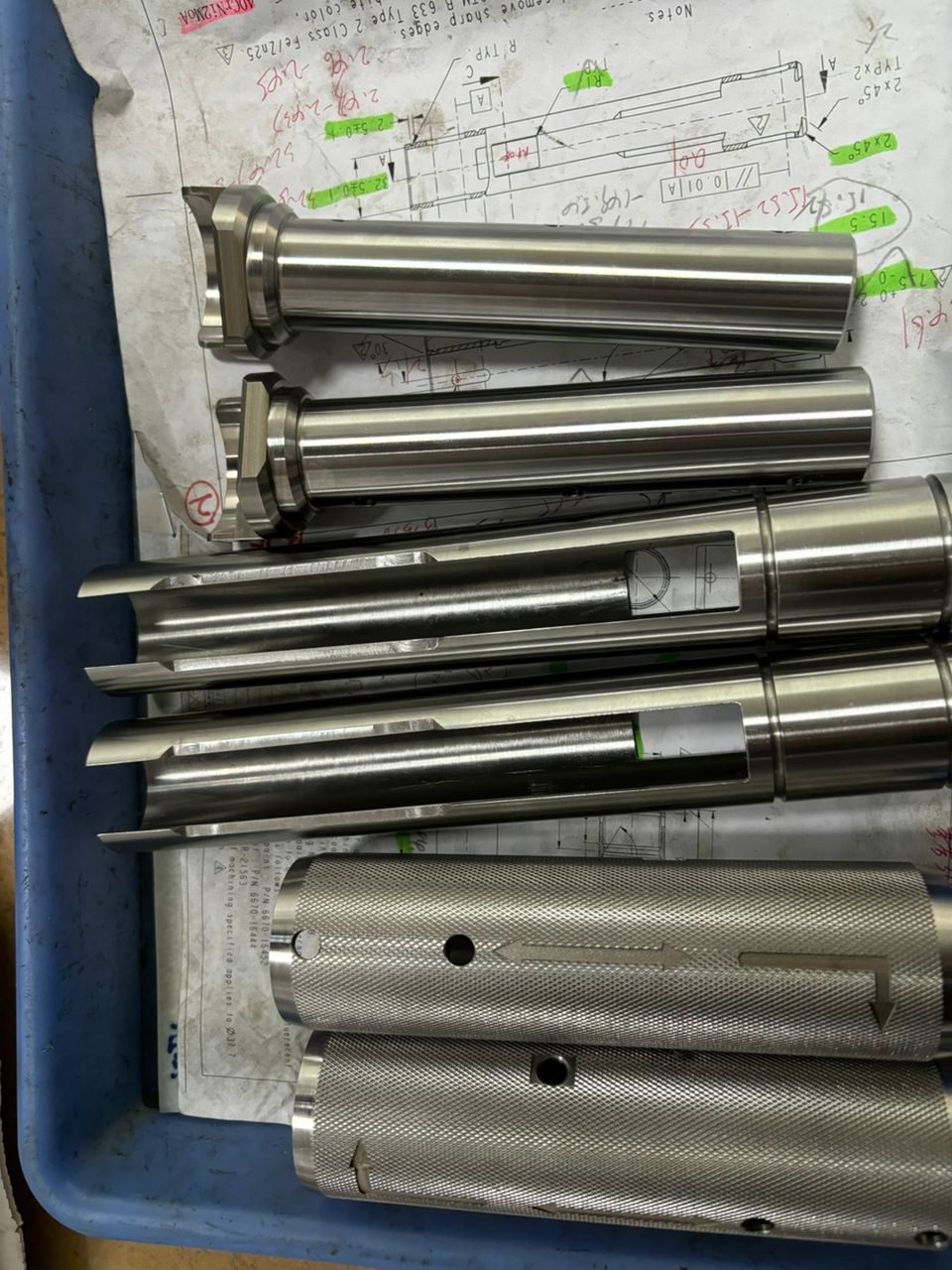
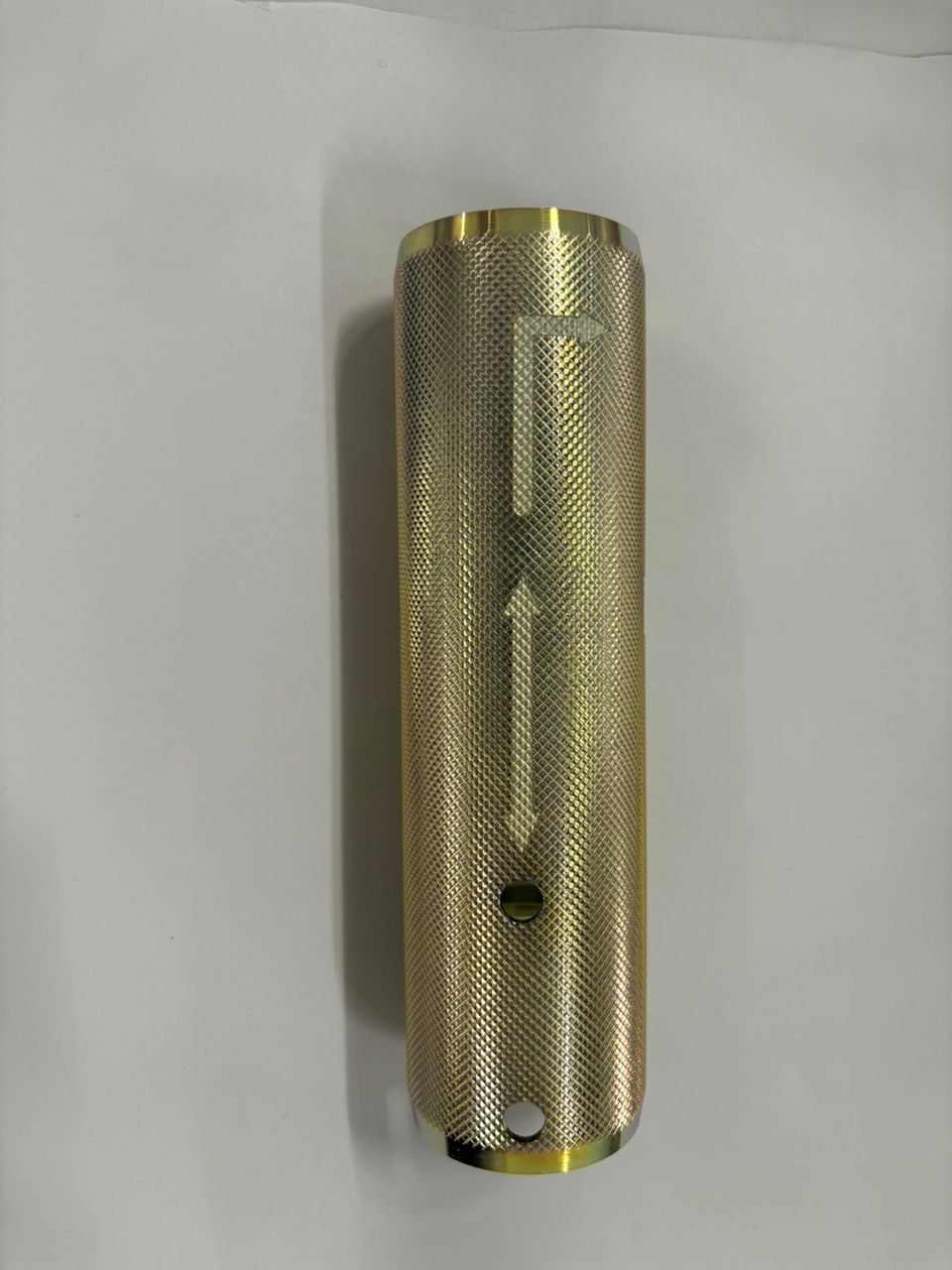
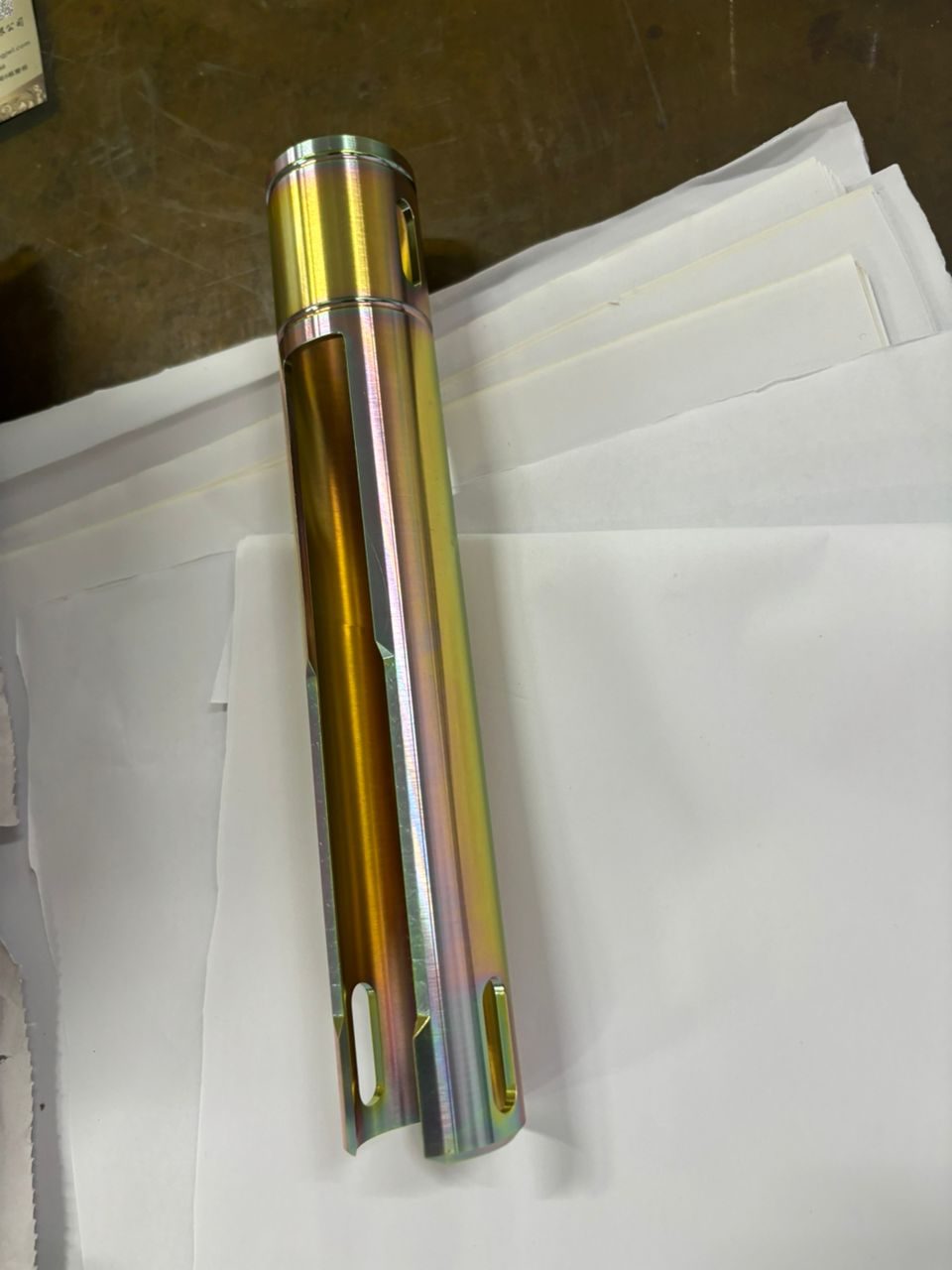
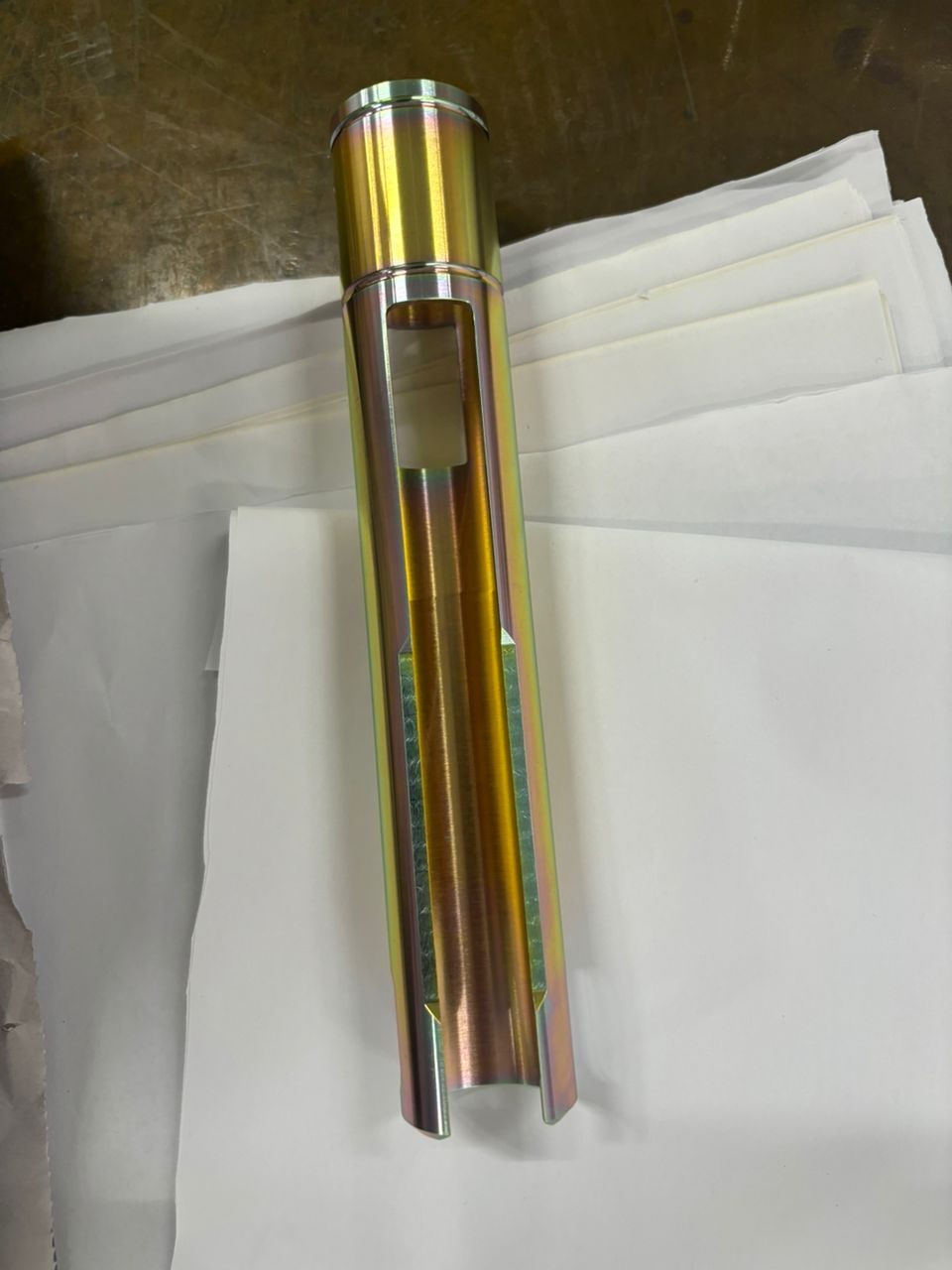
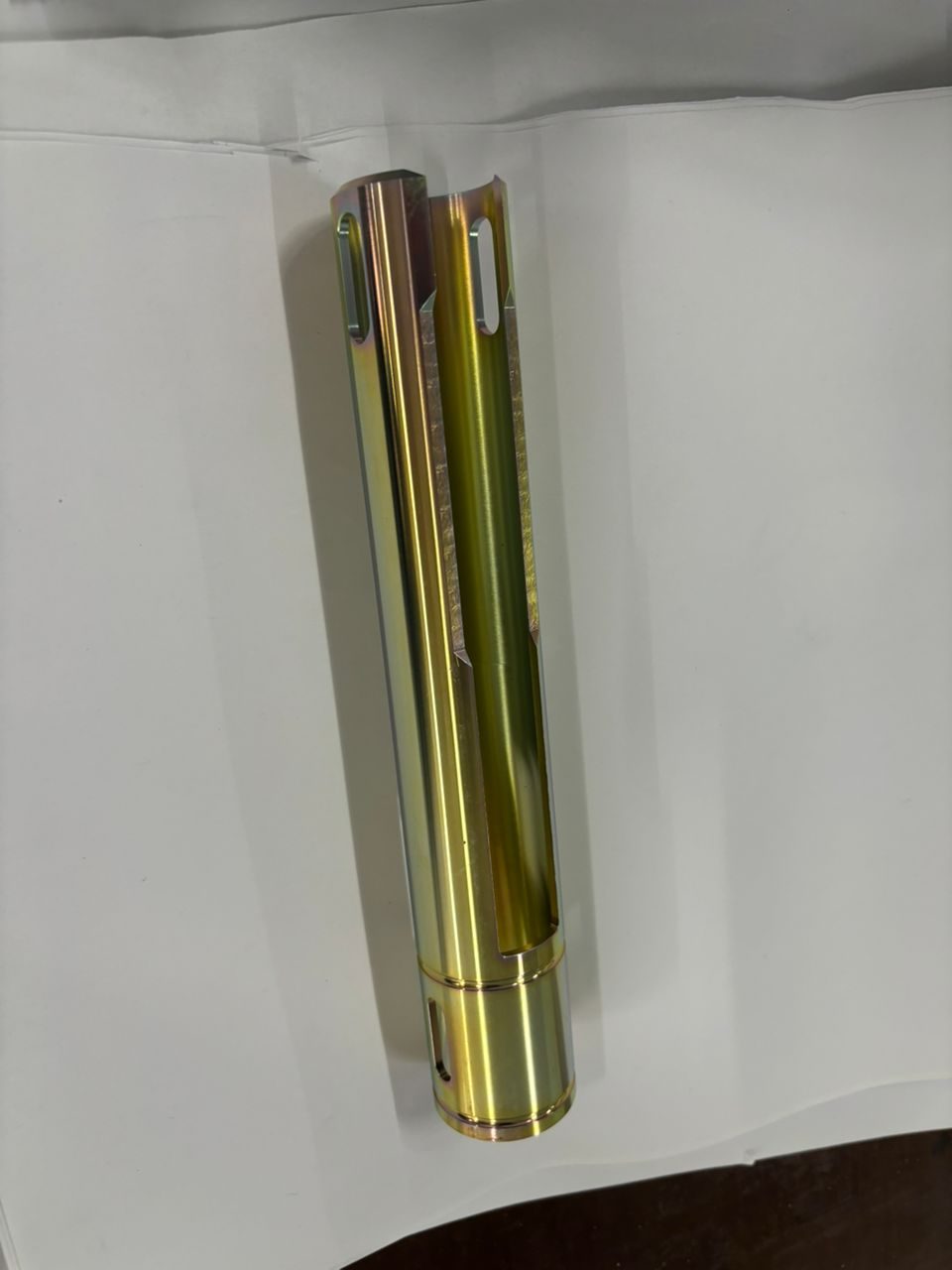
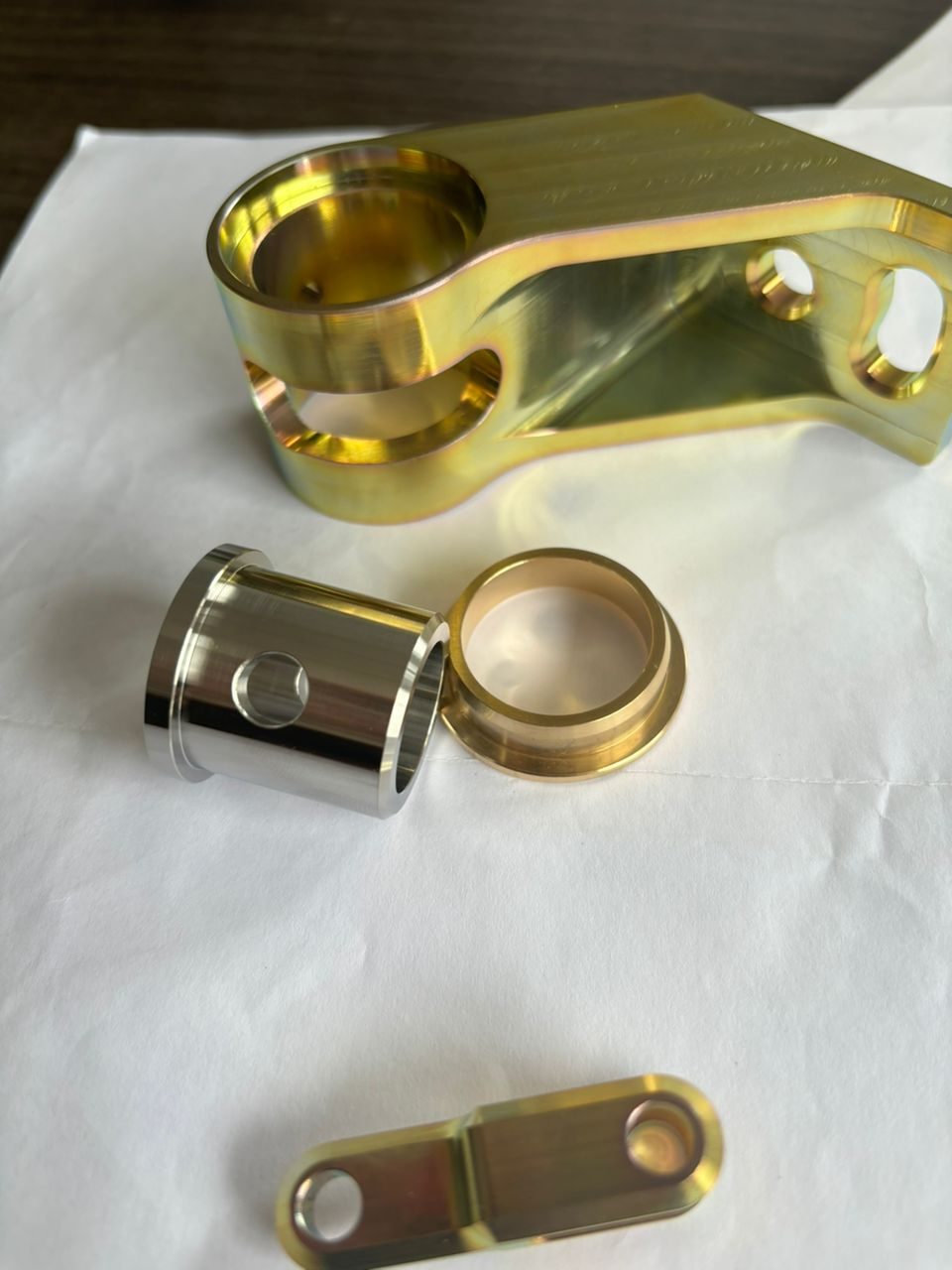
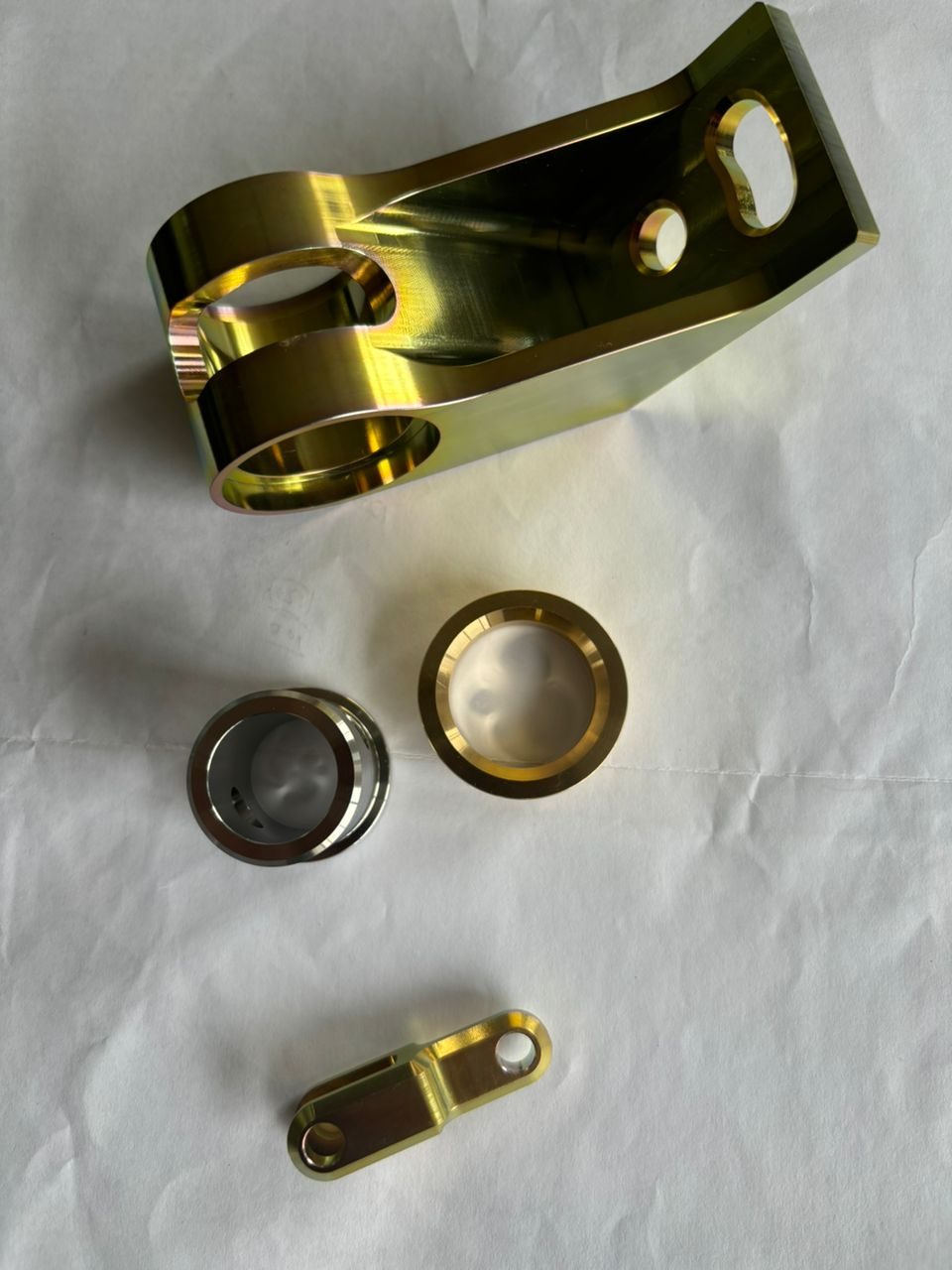
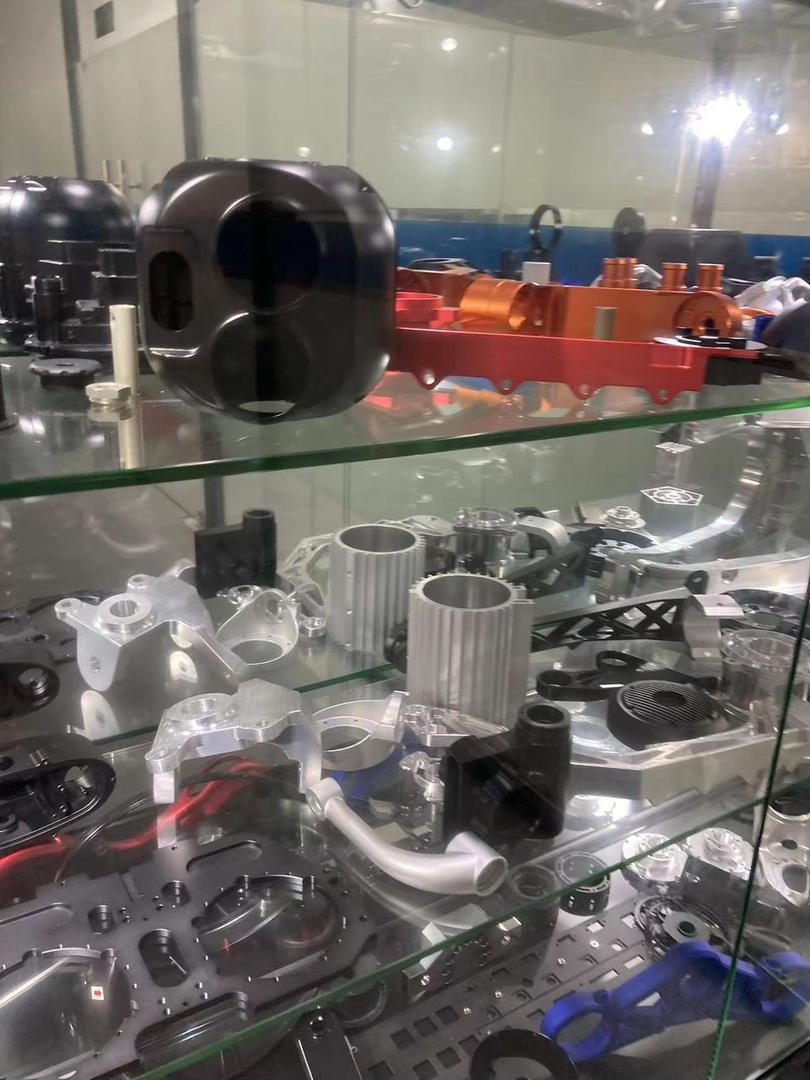
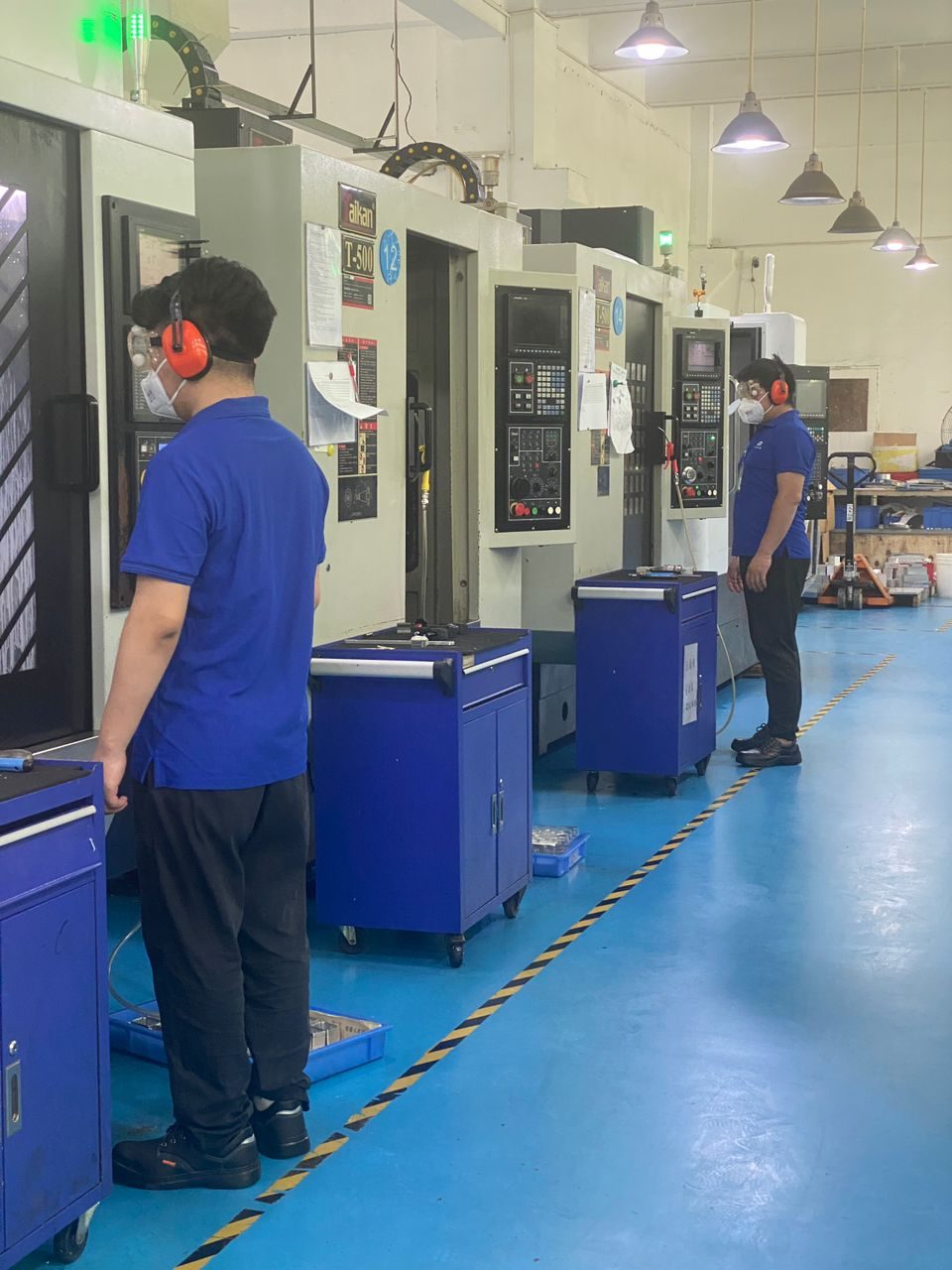
On our factory floor
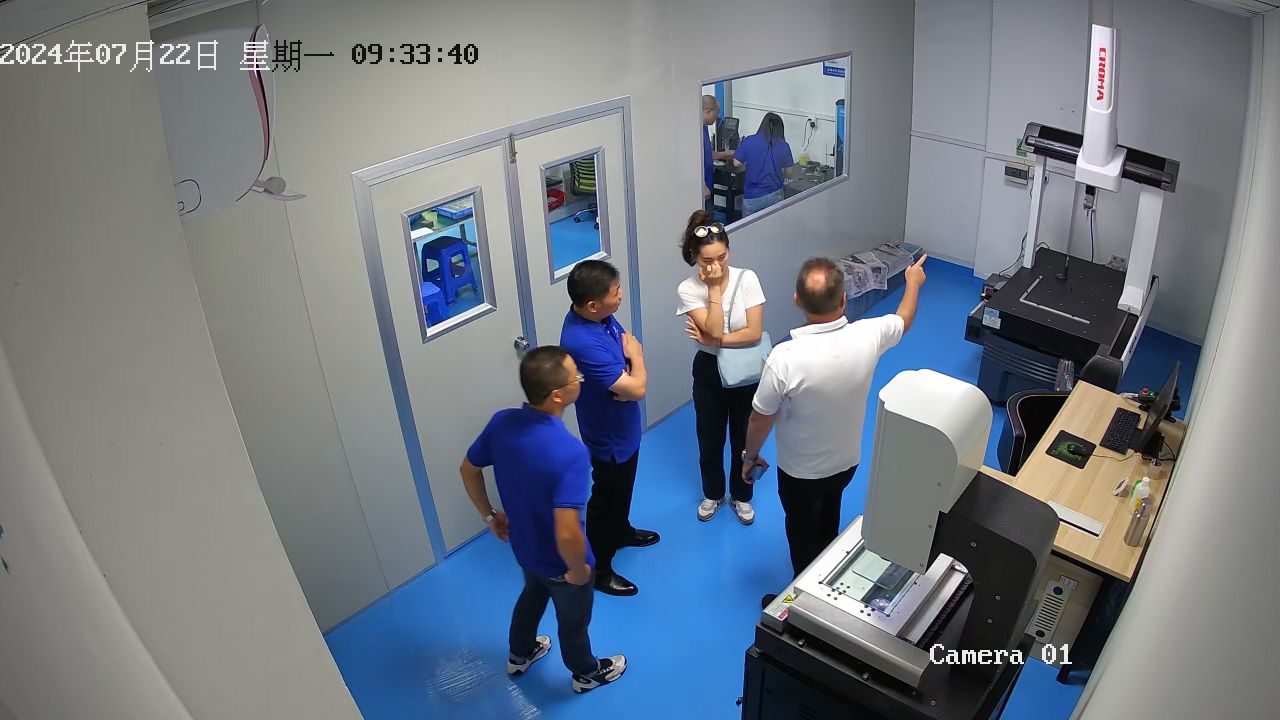
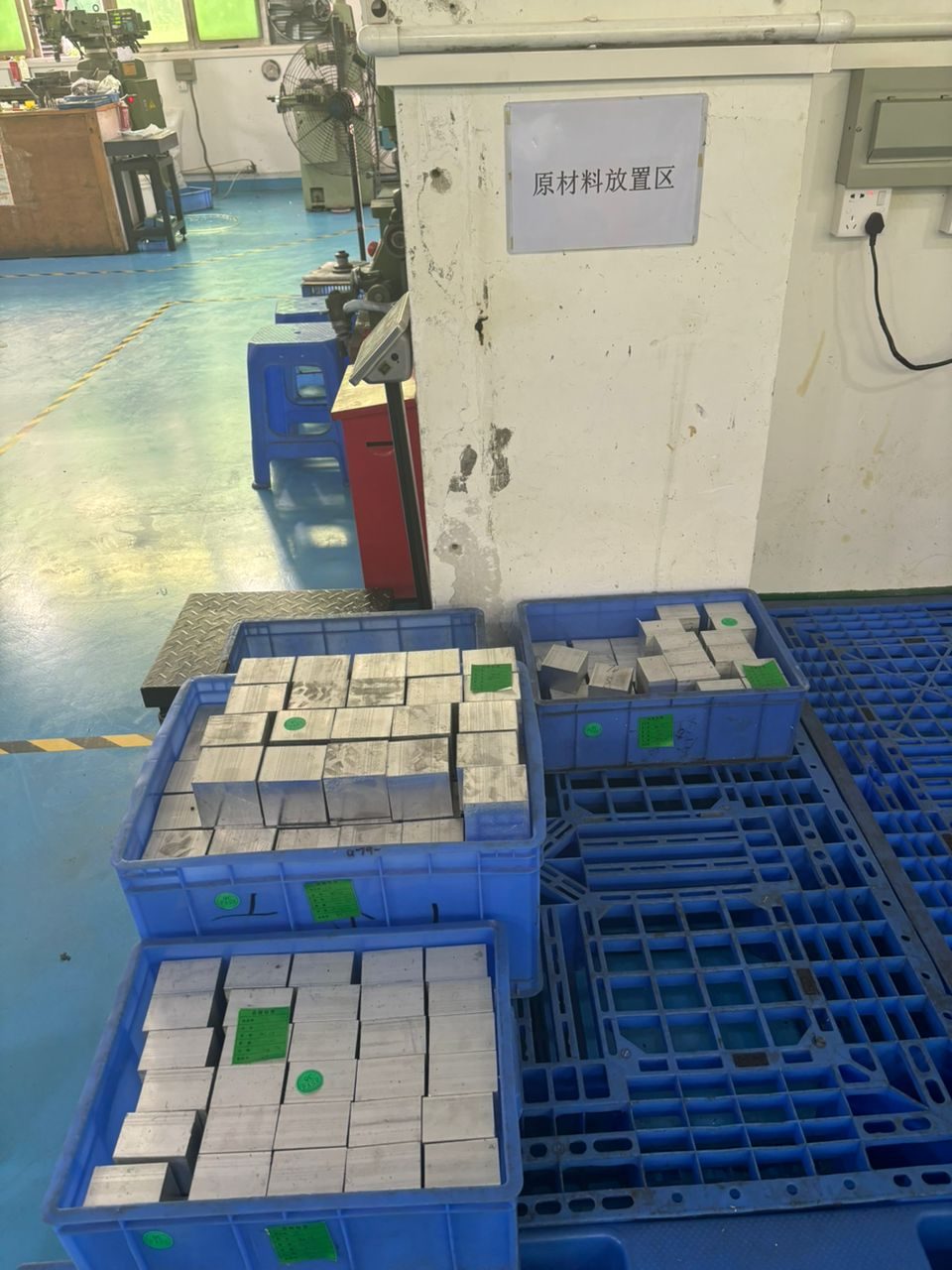
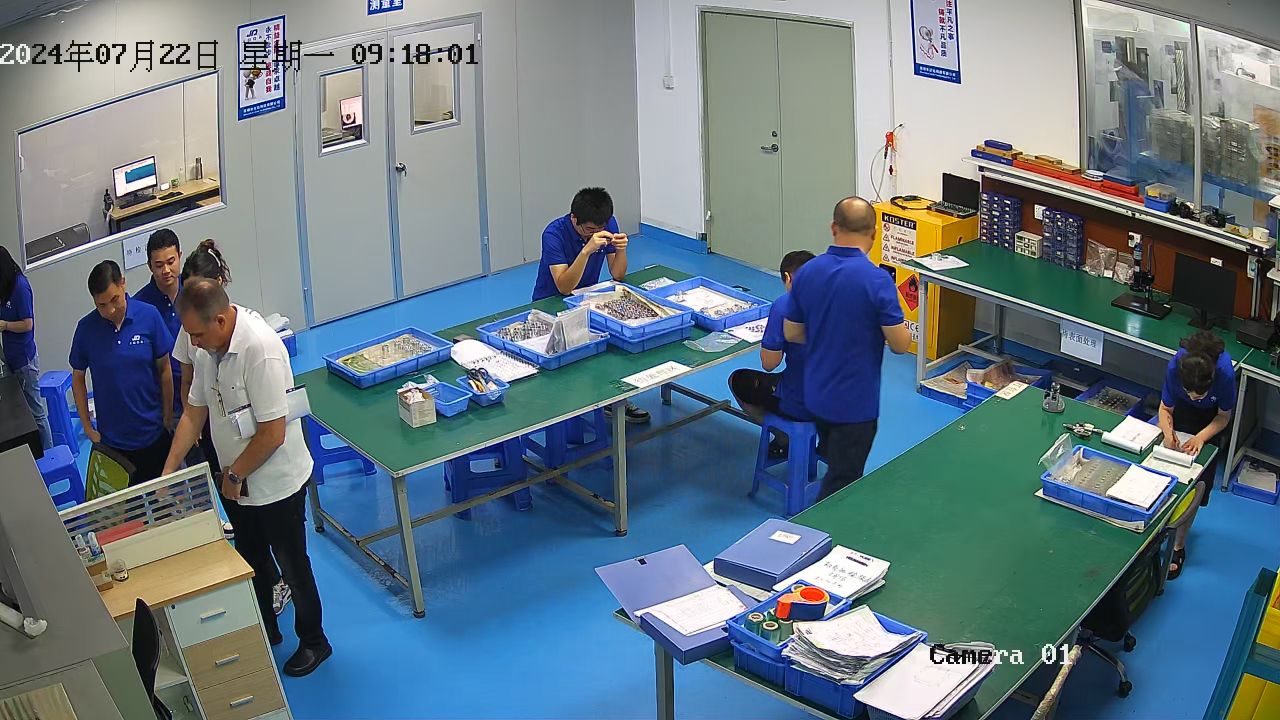
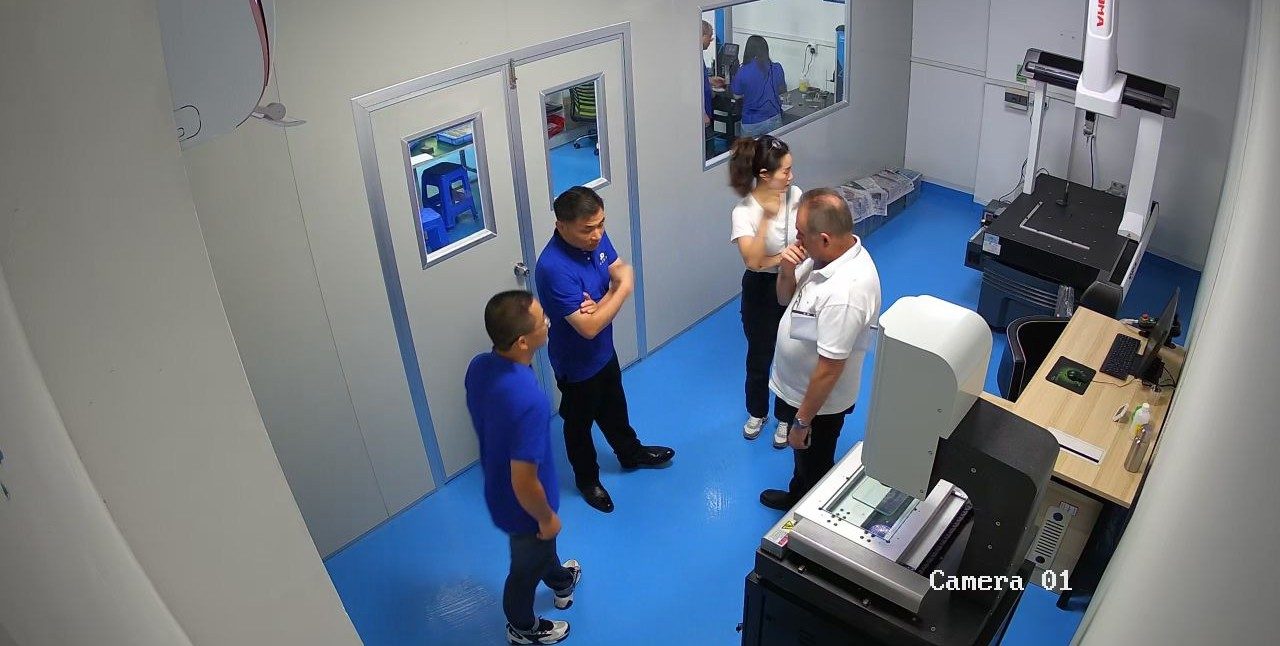
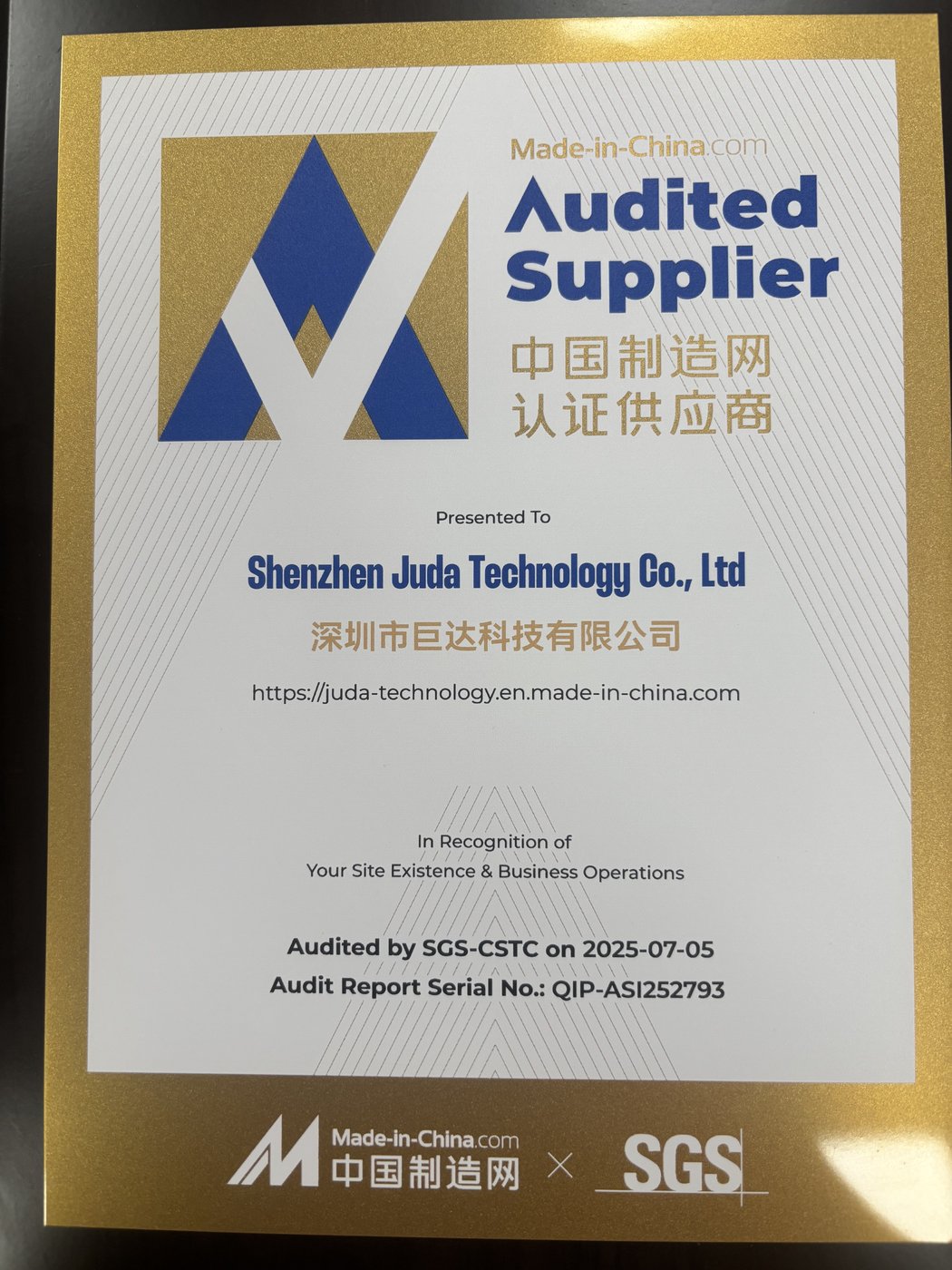
Certified quality — verifiable
Click any certificate to view the full document.
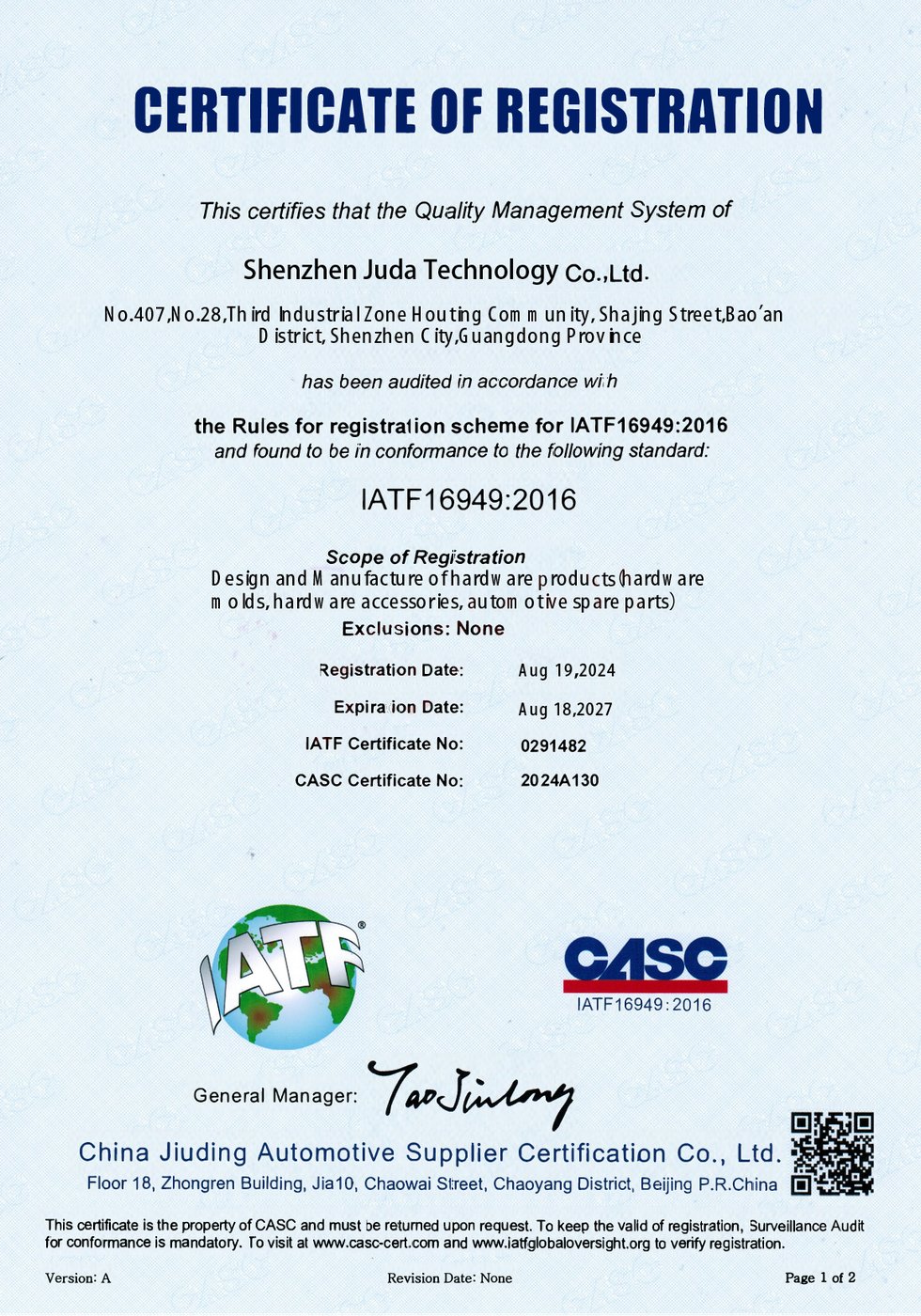
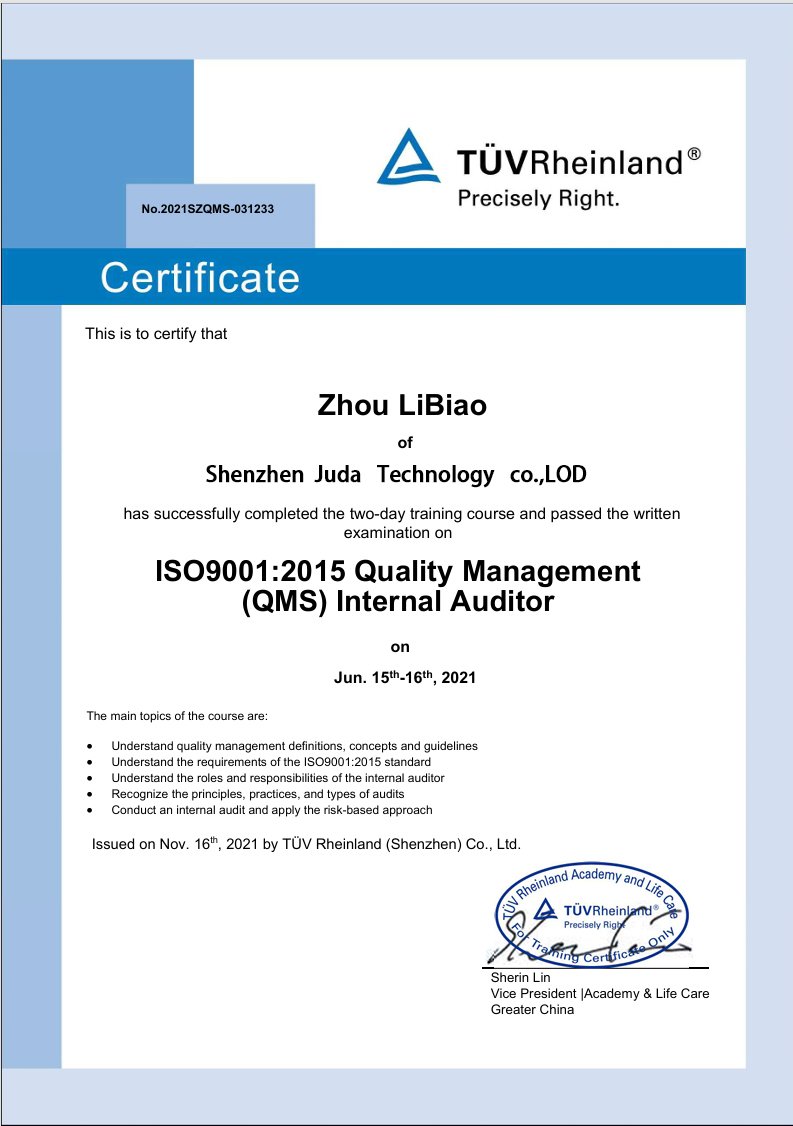
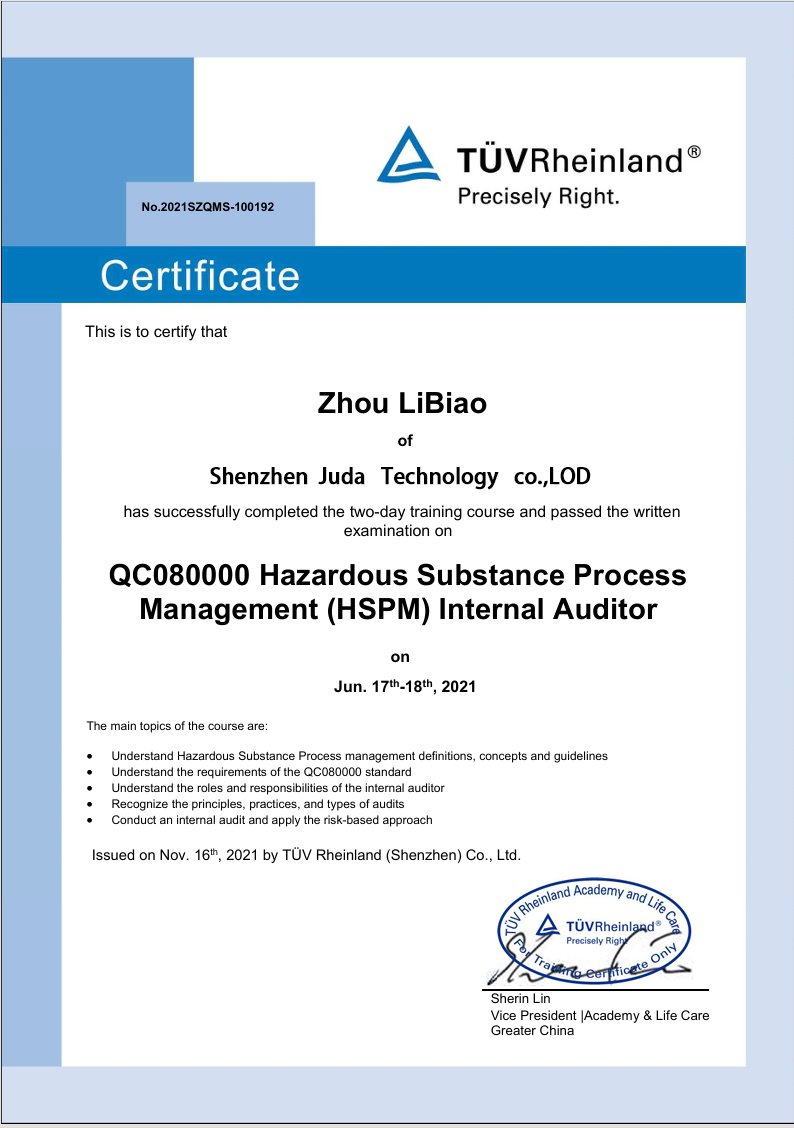
Frequently Asked Questions
Is CNC machining really cheaper in China than the USA?
Yes, for most parts. Machine-hour rates are roughly $25–50/hr in China versus $60–120/hr in the US, and total landed savings on a finished part are commonly 30–60% even after express shipping. The savings are largest on labor-intensive, finishing-heavy, and medium-to-high-volume work, and smallest for a few simple parts needed on a rush.
Is quality worse from a China CNC shop?
Quality depends on the factory, not the country. A shop running ISO 9001/IATF 16949 systems with CMM inspection and material certs produces parts equal to a good US shop. The real risk is the marketplace model that brokers your job to an unknown bidder — sourcing direct from an audited factory removes it.
How do you protect intellectual property on offshore work?
We sign a mutual NDA before any file exchange, use encrypted transfer, run sensitive jobs in access-controlled cells, and purge design files per your retention policy. For maximum-IP-sensitivity programs, some buyers still prefer domestic sourcing, which is a legitimate choice.
When should I choose a US shop over China?
Choose domestic when you need a few parts same-week with no customs, volumes are tiny and one-off, or the program requires maximum IP control. For cost-sensitive, medium-to-high-volume, or finishing-intensive work, a direct China factory usually wins on total landed cost.
Discuss your project with an engineer.
Send us your CAD files and requirements. We will review manufacturability and reply with next steps.