


Medical Device CNC Machining
Precision manufacturing for instruments, housings and diagnostic equipment.

Medical Device CNC Machining — Housings, Instruments & Equipment Parts
JUDA Technology machines precision components for medical-device and diagnostic OEMs from our Shenzhen facility. We focus on the large family of medical parts that do not require implant certification — device housings and enclosures, diagnostic and imaging hardware, lab-automation components, non-implant surgical instrument parts, and fluid-handling assemblies. This work demands tight tolerances, material traceability, biocompatible finishes, and clean documentation — all of which we deliver under our ISO 9001 and IATF 16949 quality systems.
Not every medical component needs an ISO 13485 shop. A huge share of medtech manufacturing — capital-equipment chassis, analyzer parts, reusable instrument bodies, pump and valve housings, optical and sensor mounts — is machined under general quality systems with full material certs and inspection. That is exactly where JUDA fits, at direct-factory pricing.
Medical Device Components We Machine
Diagnostic & imaging device hardware
Analyzer and instrument chassis (6061 anodized, 316L for MRI-adjacent compatibility)
Imaging device housings, brackets, and mounts
Optical mounts and precision stages (Invar 36, 6061, 316L)
Sensor and detector housings
Lab automation & capital equipment
- Precision parts for pipetting robots and liquid handlers (6061, 316L, PEEK)
- Cassette, reagent, and consumable containers (PEEK, PMMA, POM)
- Motion-stage components, lead-screw blocks, linear-guide mounts
- Equipment frames, panels, and access-controlled enclosures
Fluid handling
- Manifolds and fluid blocks (316L, PEEK, PMMA)
- Pump housings and valve bodies
- Luer and hypotube fittings for delivery systems (316L, PEEK)
Non-implant surgical instrument components
- Instrument handles, bodies, and housings (316L, 17-4 PH)
- Cutting jigs, alignment templates, and fixtures (302/304 SS)
- Reusable-tool components requiring electropolish and cleanability
- Robotic-surgery structural parts and end-effector bodies (non-implant)
Need implant-grade parts (ASTM F136 Ti, ISO 13485 release)? See “Implant & regulated work” below — we handle it honestly through a certified partner.

Medical Materials We Stock
Stainless steel
316L (low-carbon medical grade per ASTM F138) is the default for instrument bodies, fluid parts, and single-use tooling. 17-4 PH H900 for higher-strength corrosion-resistant parts. 440C hardened to 58-60 HRc for cutting edges and wear surfaces.
Titanium
Grade 5 (Ti-6Al-4V) and Grade 2 commercially pure titanium for lightweight device structures, brackets, and non-load-bearing hardware. Implant-grade Grade 23 (Ti-6Al-4V ELI, ASTM F136) is available for regulated work routed through our certified partner.
PEEK & medical polymers
Medical-grade PEEK (Invibio Zeniva, Solvay KetaSpire) for fluidics, insulators, and instrument components. PMMA, POM (Delrin), and Ultem for housings and consumables. We run dedicated polymer cells to avoid metal contamination.
Aluminum
6061-T6 anodized (Type II / Type III hardcoat) for equipment chassis, panels, and lightweight structural parts — the workhorse for capital-equipment enclosures.
Biocompatible & Clean Finishes
- Passivation per ASTM A967 / F86 — removes embedded machining iron from stainless and titanium, restoring corrosion resistance.
- Electropolishing — smooths surfaces to Ra ≤ 0.4 µm, deburrs, and improves cleanability for reusable instruments and fluid parts.
- Type II anodizing (aluminum & titanium) — durable, color-coded finishes without dyes.
- Bead blasting — uniform matte finish, pre-anodize prep, or final instrument finish.
- Cleanroom-compatible packaging — double-bagged, particle-controlled packing on request.

Documentation We Provide
Every medical-device batch ships with:
- Material certifications traceable to mill heat (ASTM F138 / F67 / 6061 as applicable)
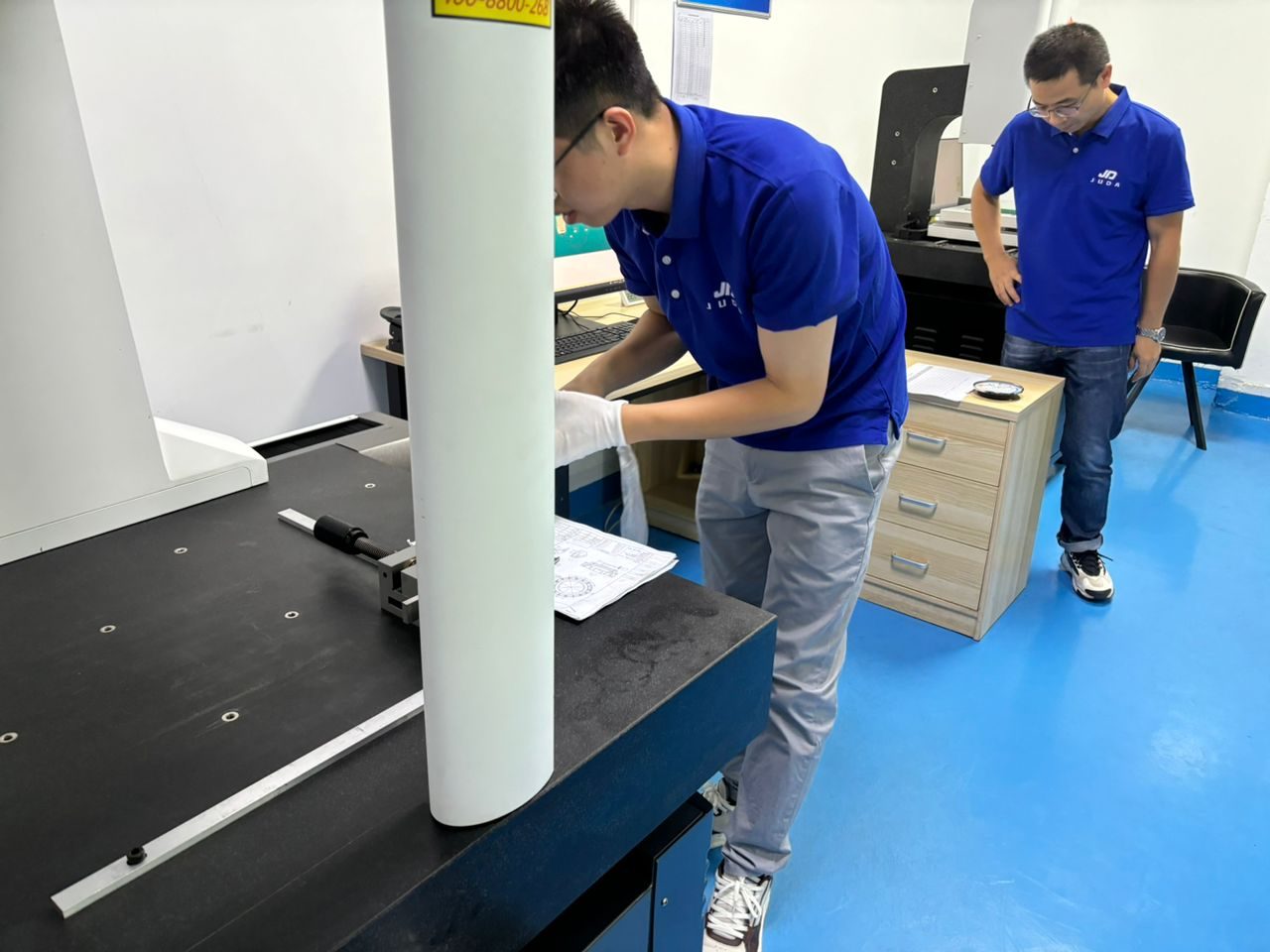
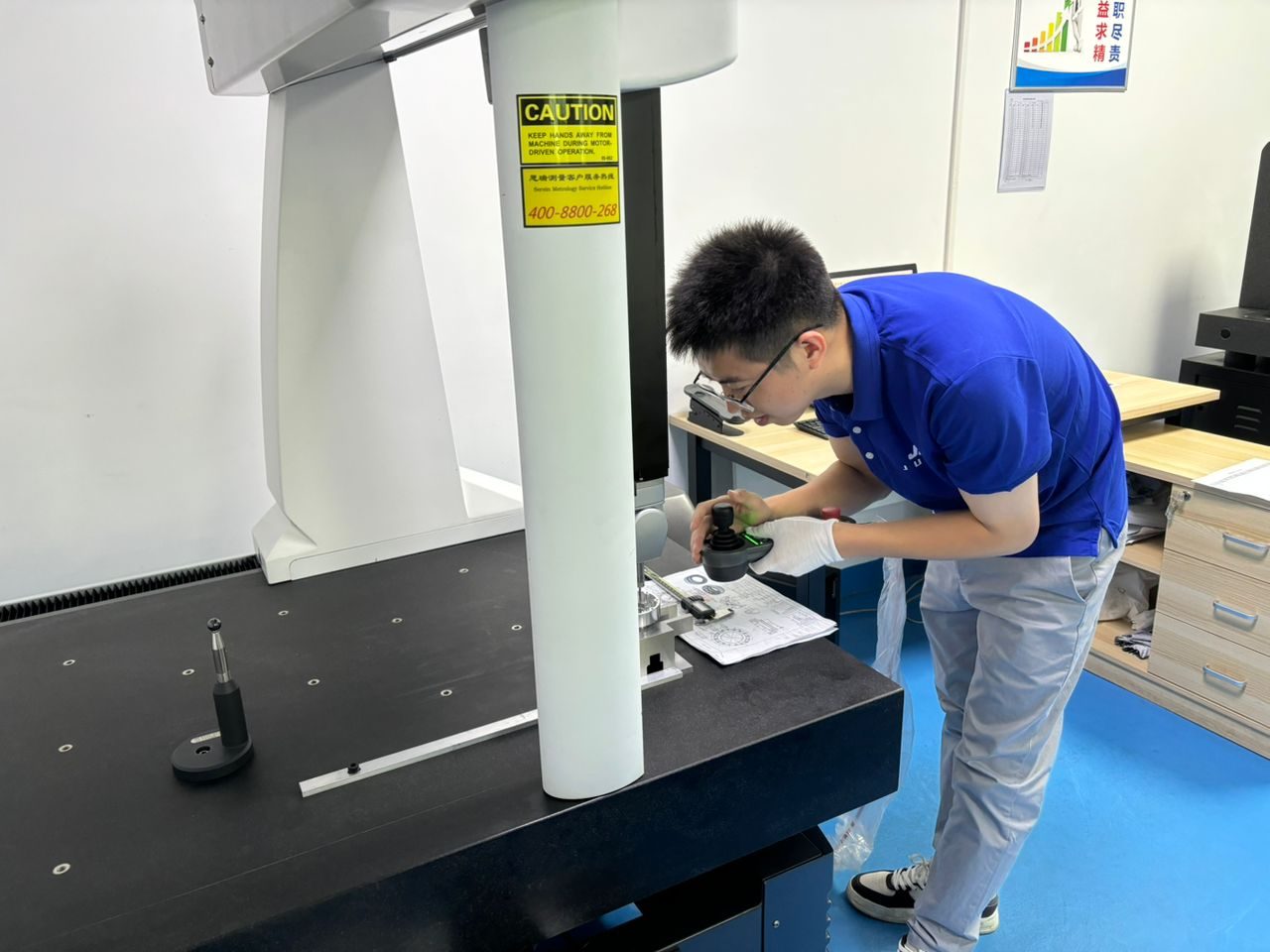
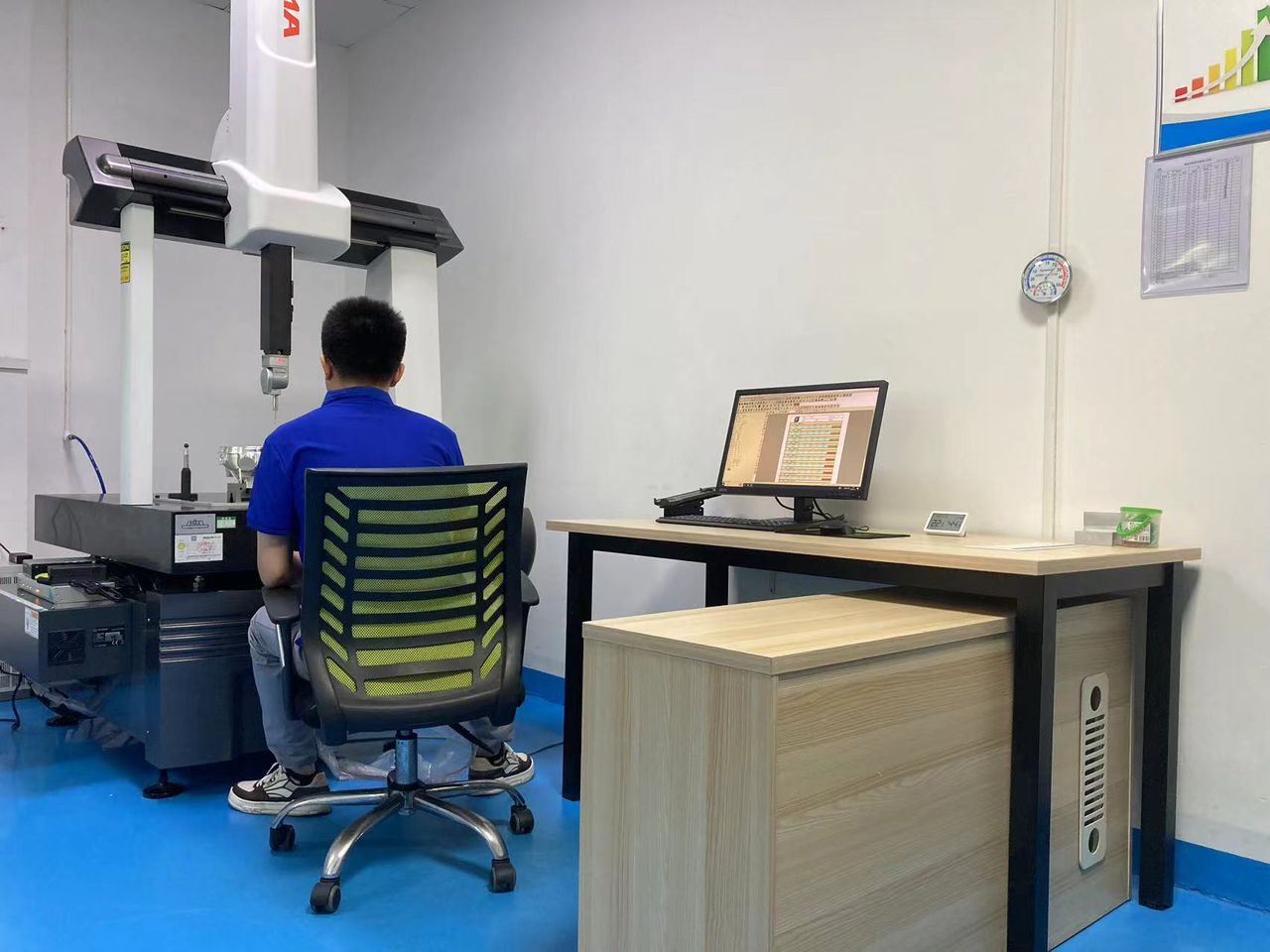
- Dimensional inspection reports — full CMM inspection, sampling per ANSI/ASQ Z1.4 or 100% per customer spec
- Surface finish verification with profilometer measurements
- Cleanliness validation per ASTM F2459 (gravimetric extraction) on request
- Passivation verification per ASTM A967
- Certificate of Conformance (CoC) and full lot traceability
Implant & Regulated (ISO 13485) Work — Handled Honestly
JUDA does not hold ISO 13485 certification. We will never claim otherwise. For components that require a 13485-certified quality system — permanent implants, sterile-packaged devices with regulated lot release — we machine to spec and route final inspection, packaging, and lot release through a 13485-certified partner, or ship semi-finished parts to your own validated facility. For the many non-implant device parts that don’t require 13485, our ISO 9001 / IATF 16949 systems with full material certs are typically sufficient. Tell us your regulatory requirements and we’ll tell you honestly how we can help.
Quality Systems
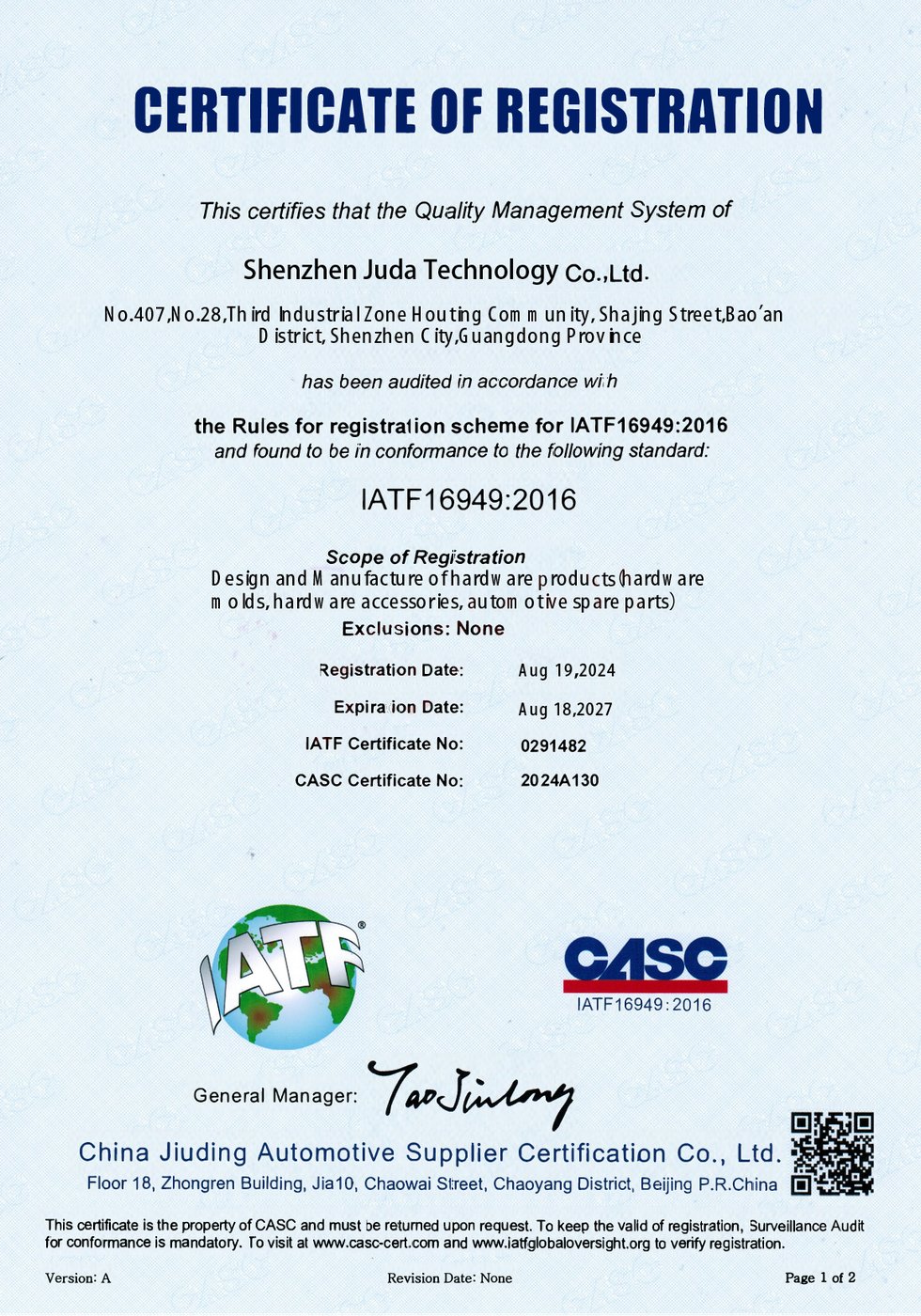
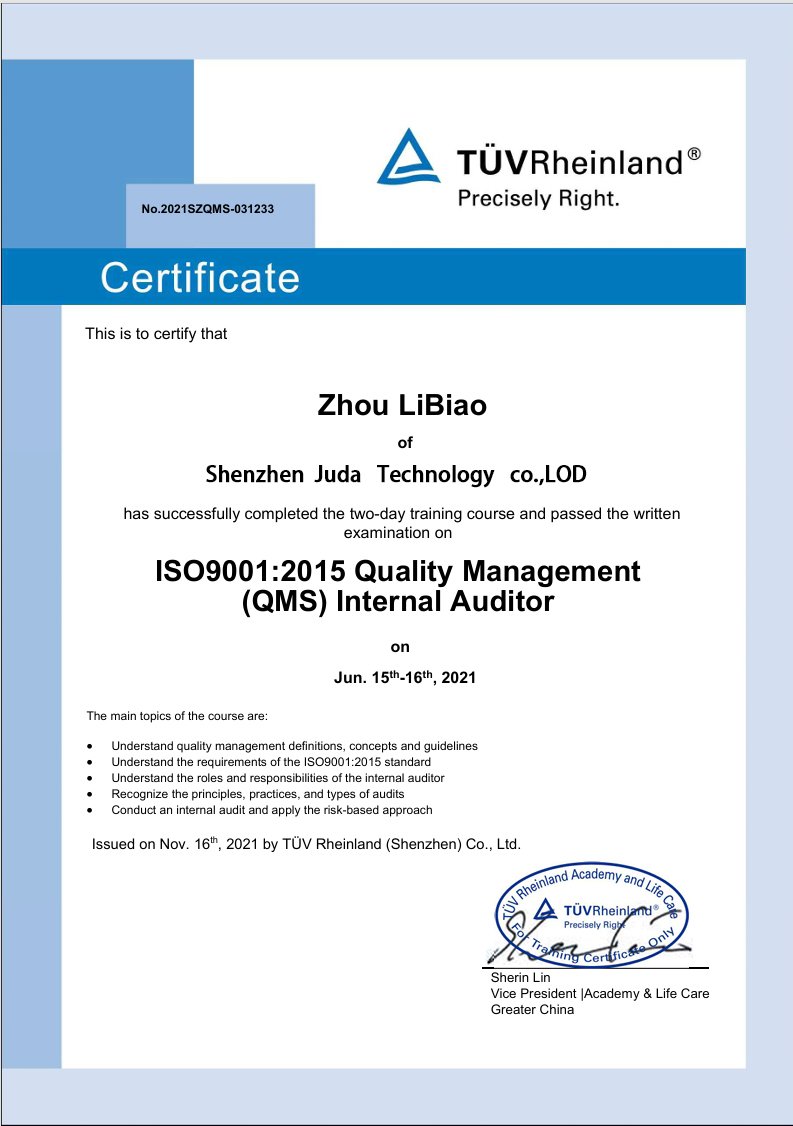
- ISO 9001:2015 certified quality management system
- IATF 16949:2016 (automotive-grade discipline applied to medical-adjacent parts)
- ISO 14001 environmental management
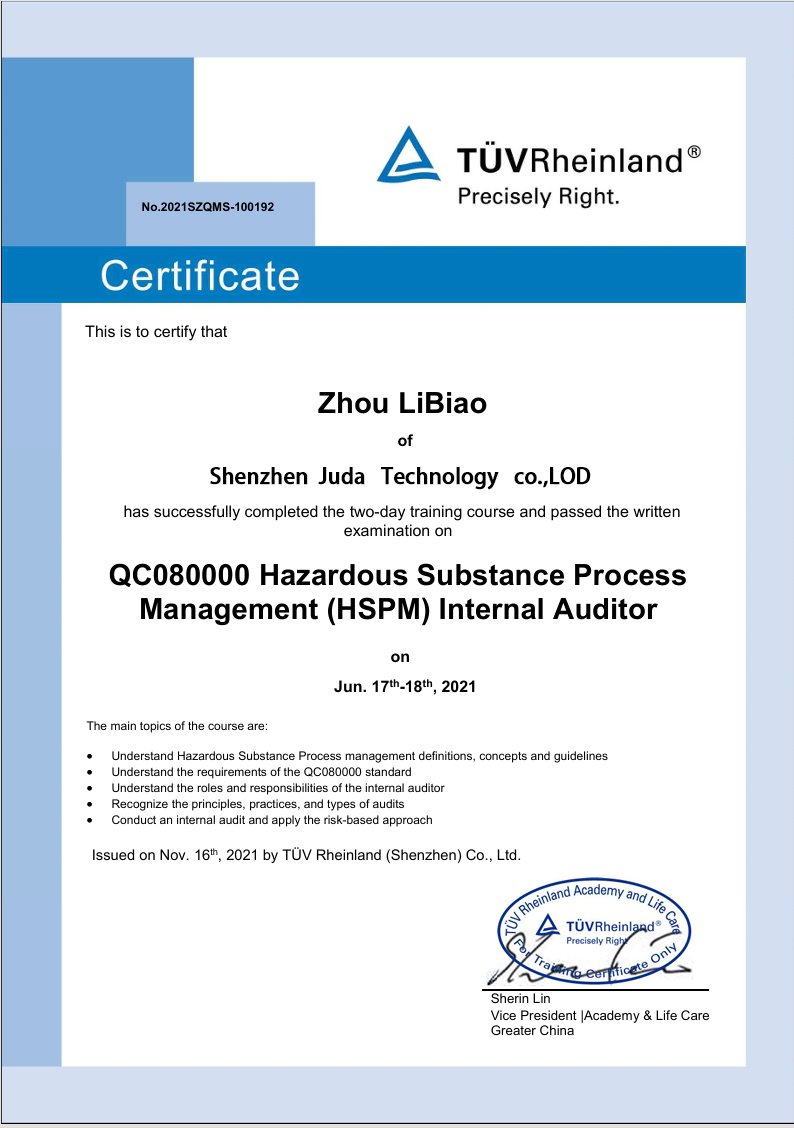
- QC080000 hazardous-substance process management (REACH, RoHS)
Confidentiality & IP Protection
- Mutual NDA signed before any drawing exchange
- Encrypted file transfer via secure RFQ portal or your specified share
- Compartmentalized production for sensitive projects, with access control
- End-of-life file purging per your retention policy
Request a Medical Device CNC Quote
To quote accurately, please send us:
- 3D model (STEP / IGES) and 2D drawing with critical dimensions, tolerances, and finish callouts
- Material specification (e.g., “316L per ASTM F138” or “6061-T6, Type III anodize”)
- Surface finish requirements (e.g., “Electropolish to Ra ≤ 0.4 µm”)
- Quantity tiers — prototype, validation, initial and full production
- Documentation and any regulatory requirements
Request a Medical Device CNC Quote
Real parts we've machined
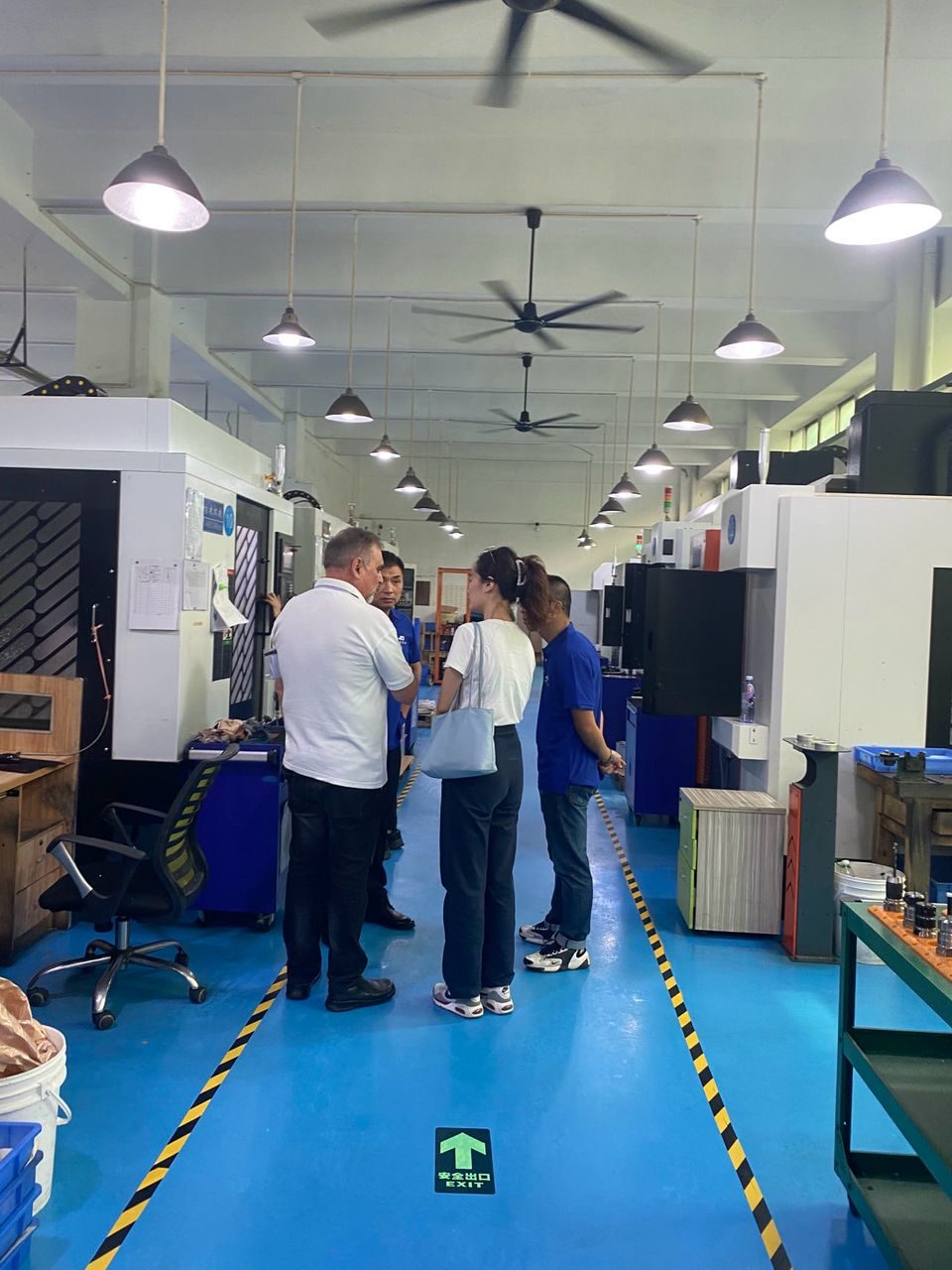
Precision you can verify — actual production parts from our Shenzhen floor.
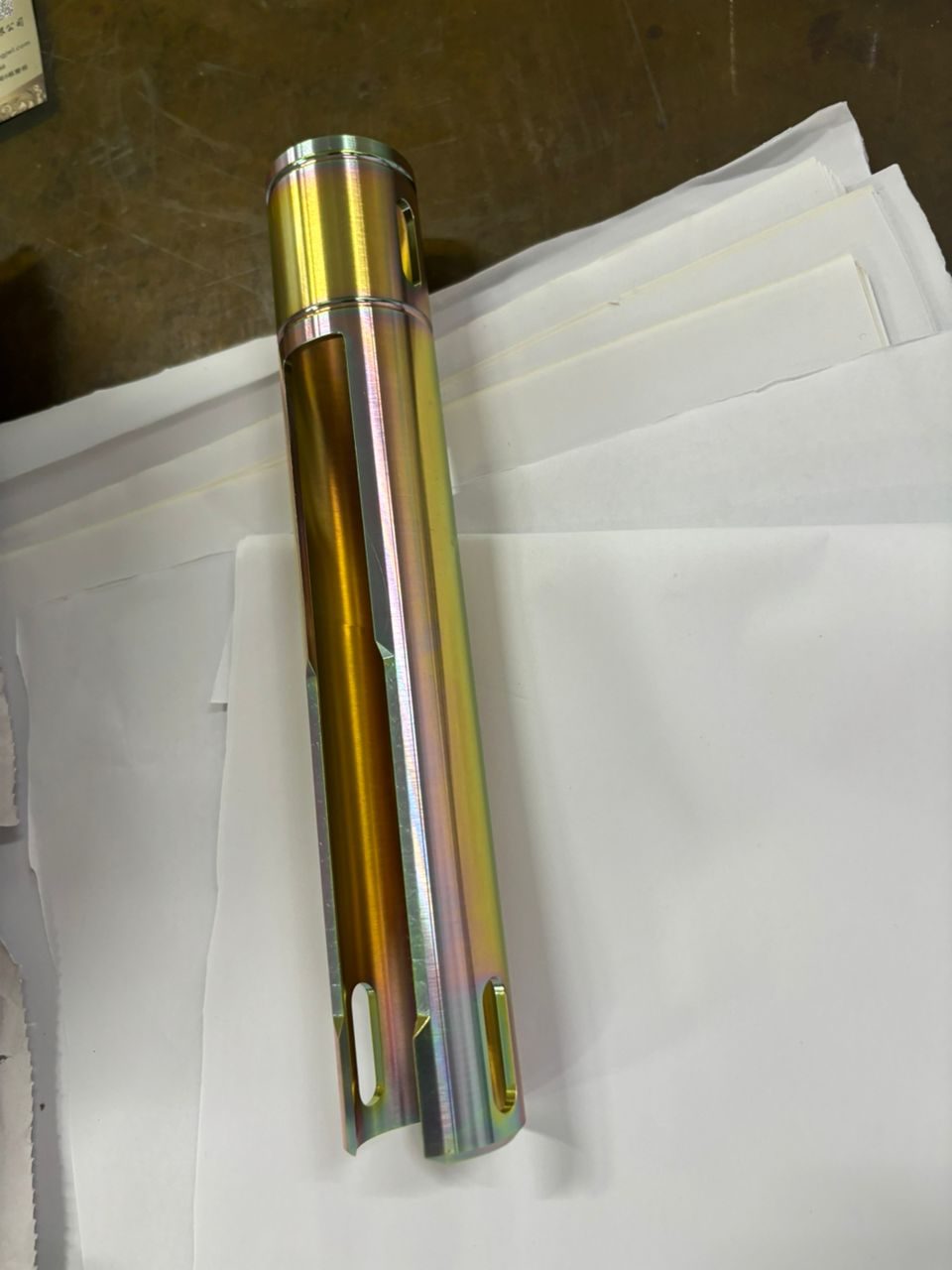
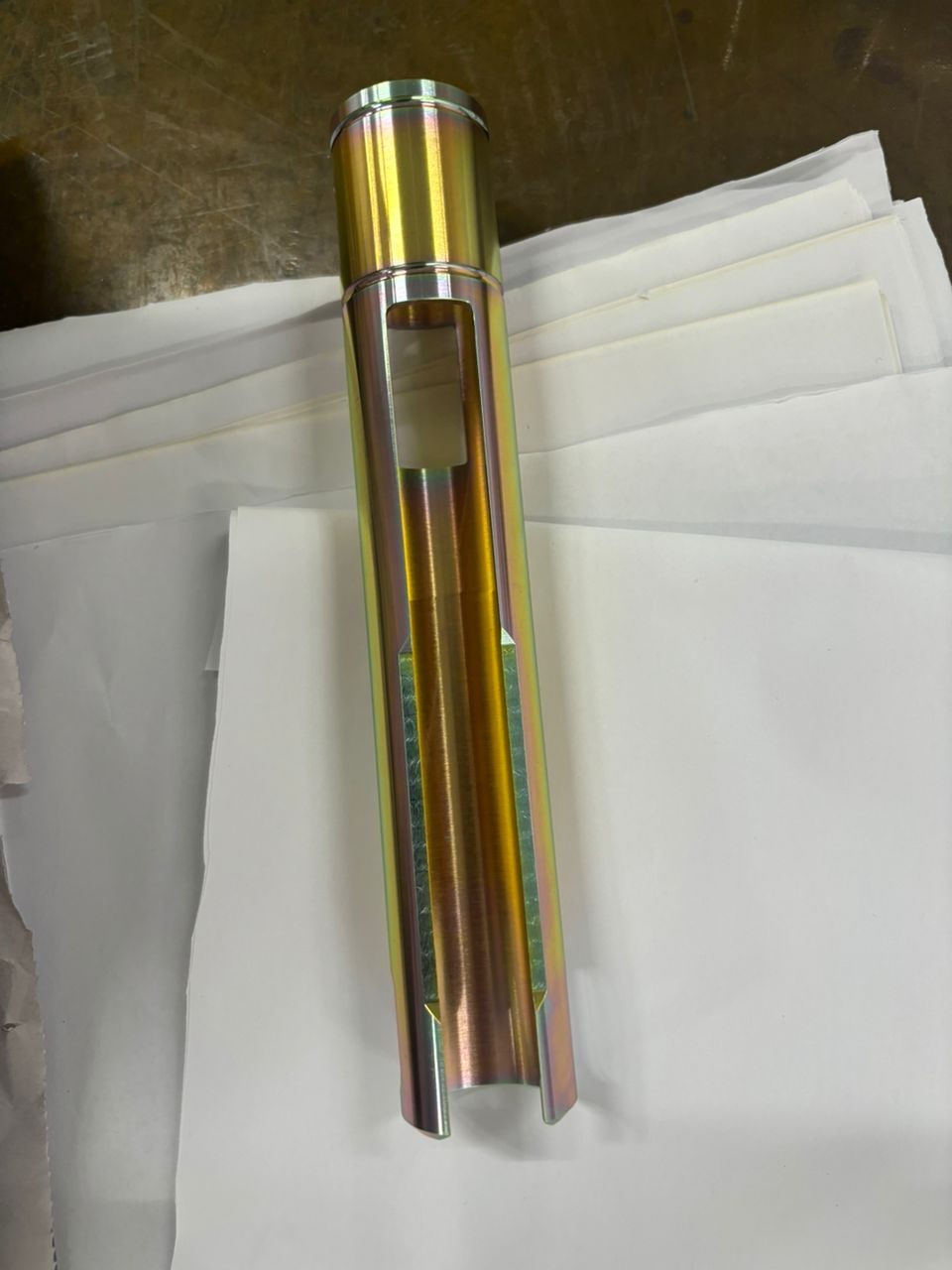
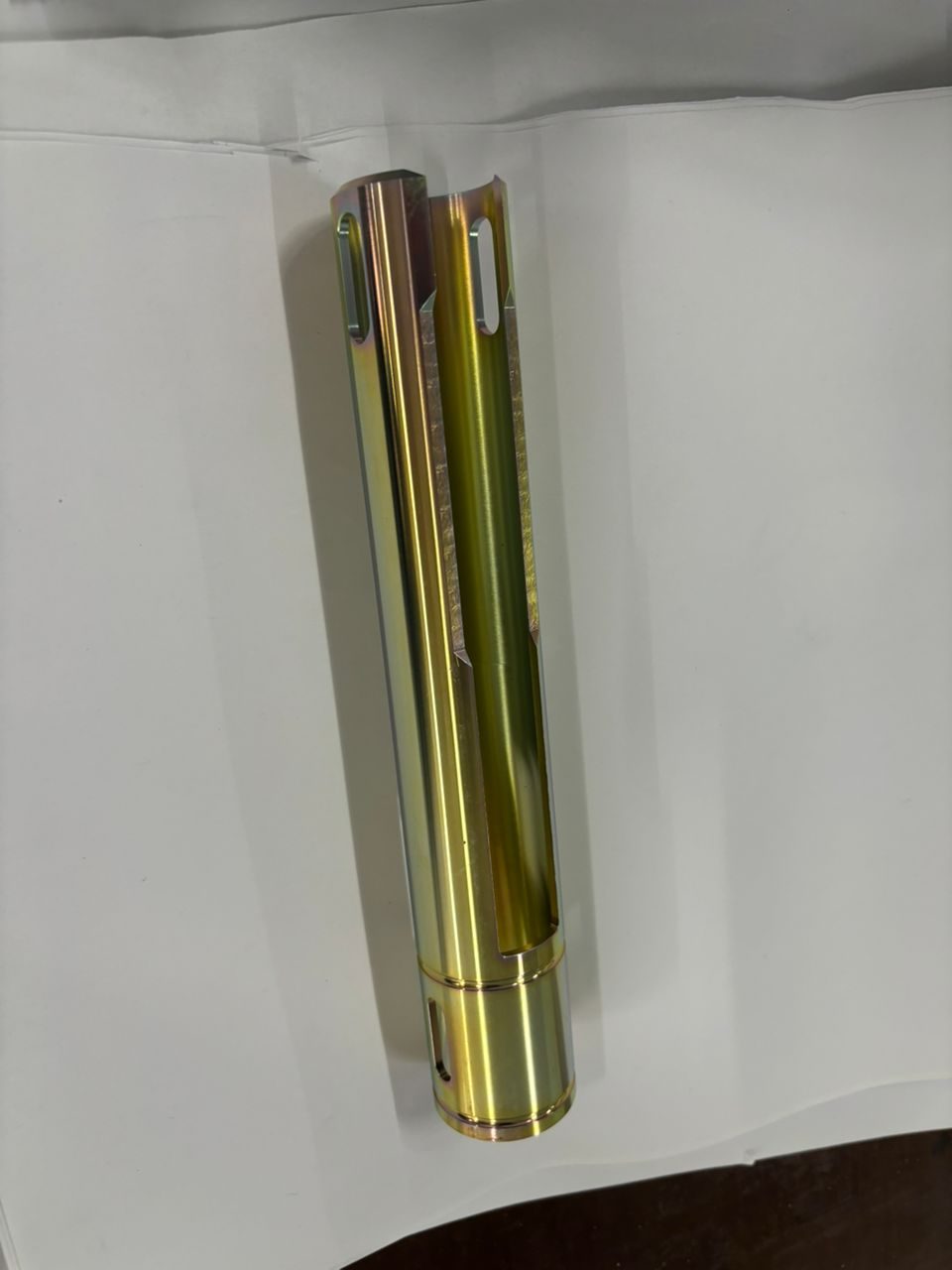
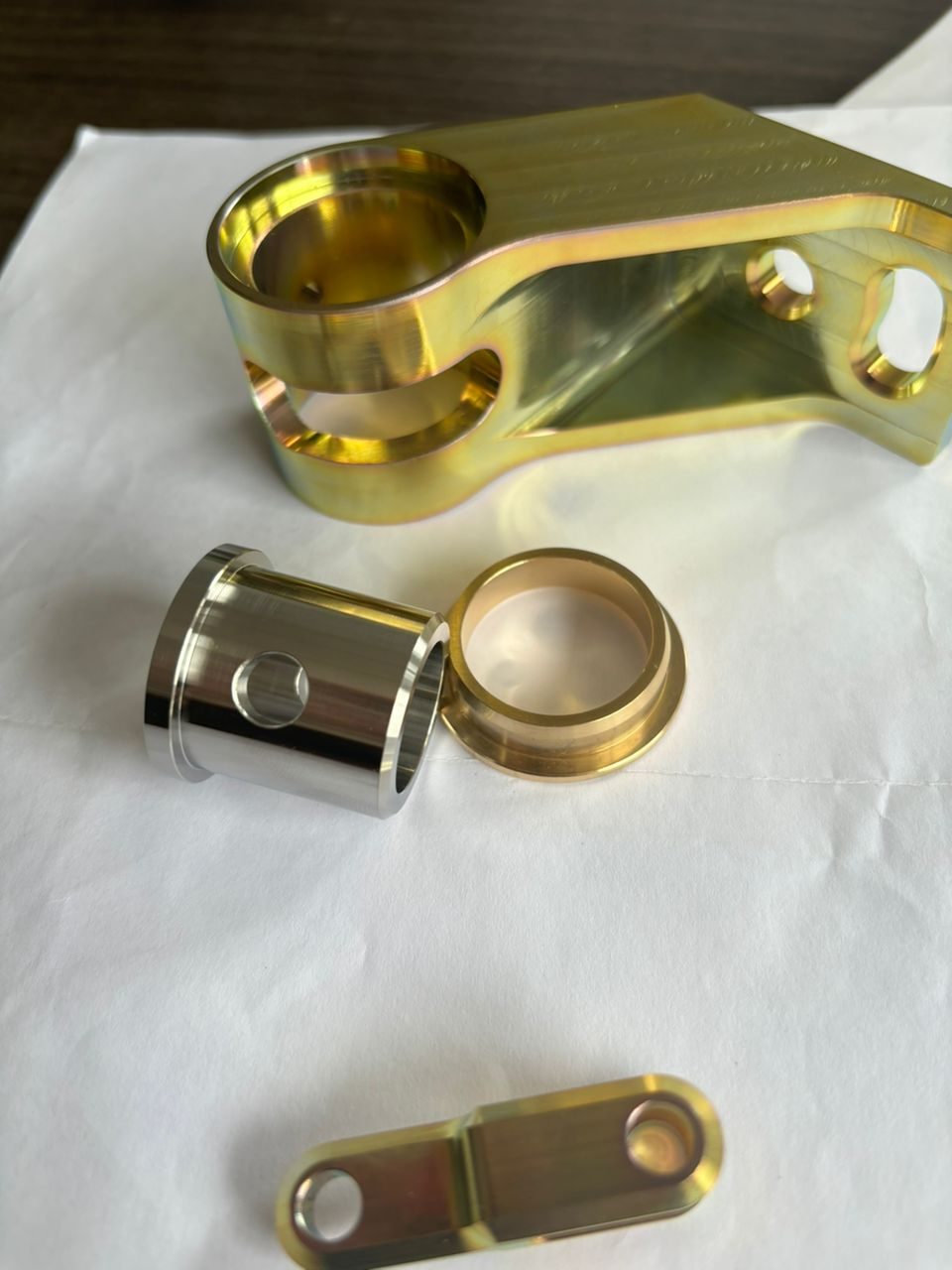
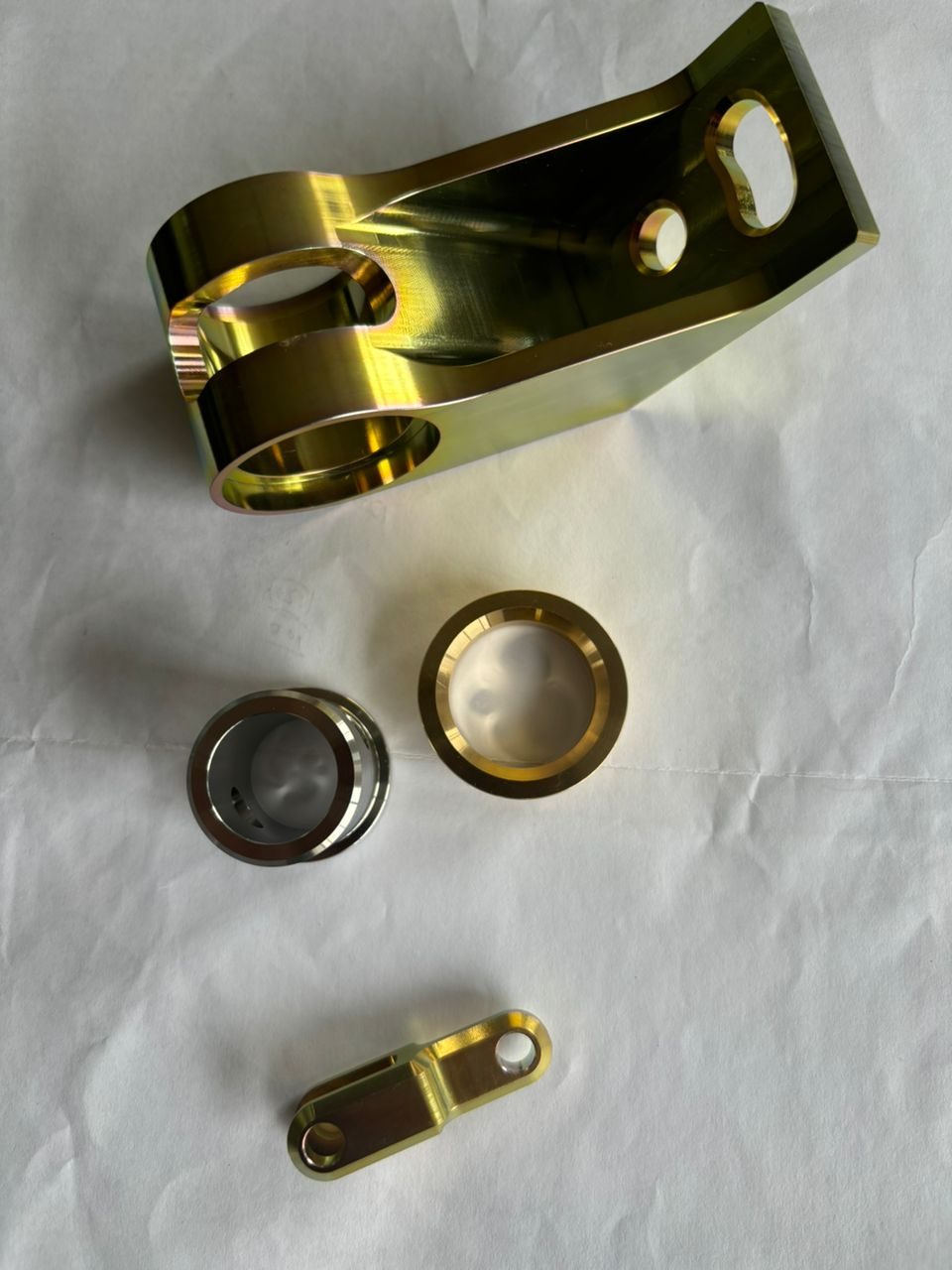
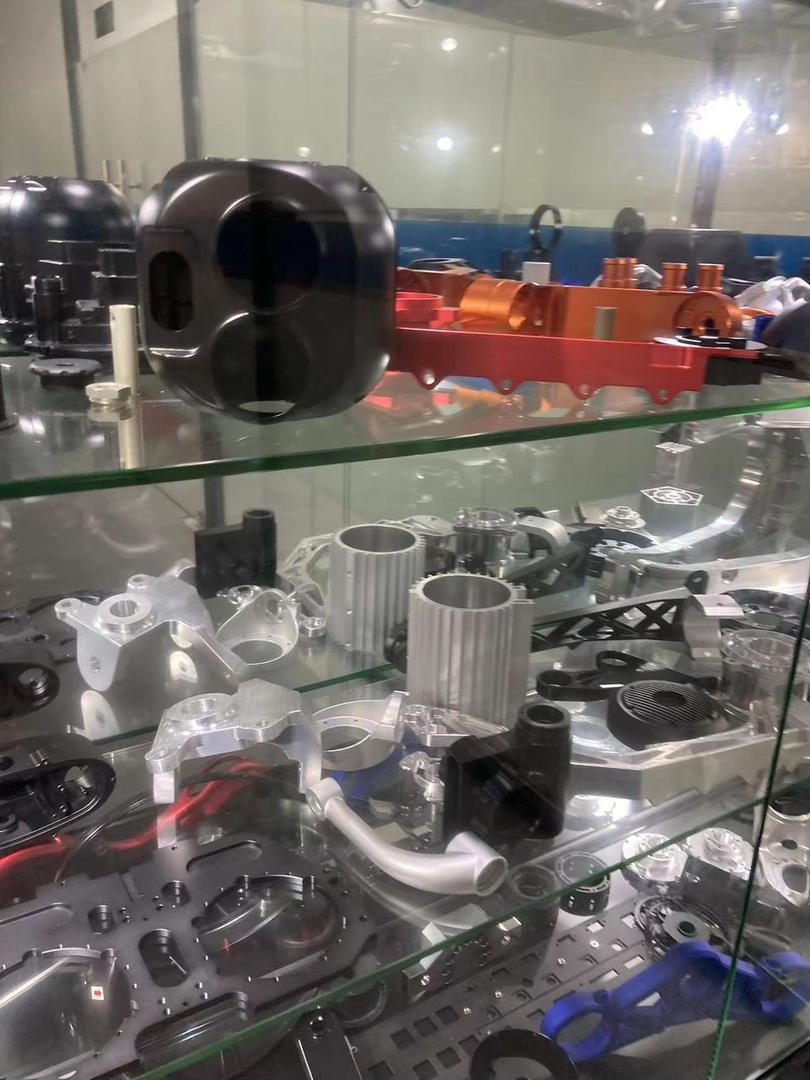
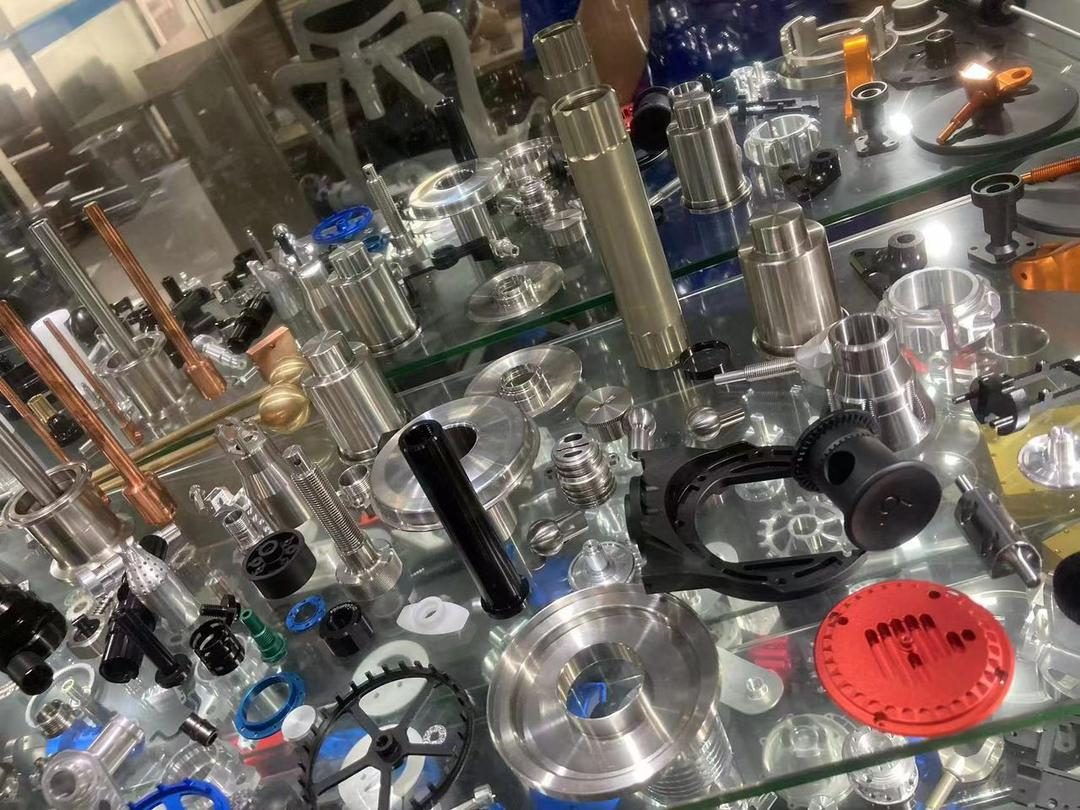
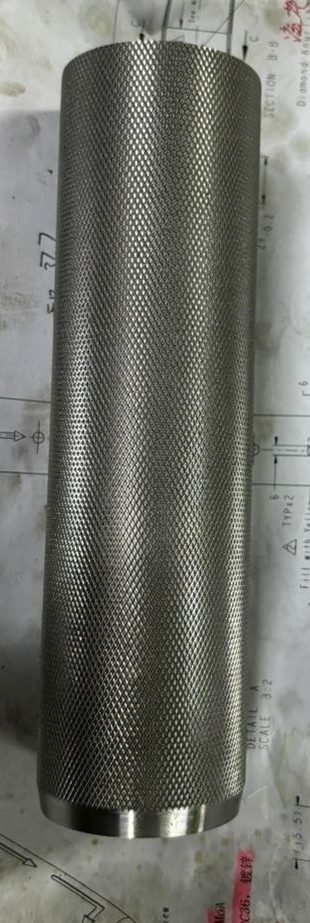
On our factory floor
Certified quality — verifiable
Click any certificate to view the full document.

Frequently Asked Questions
Is JUDA certified to ISO 13485?
No — JUDA holds ISO 9001, IATF 16949, ISO 14001 and QC080000, but not ISO 13485, and we never claim otherwise. Many medical-device parts (equipment housings, diagnostic and lab hardware, non-implant instrument components, fluid parts) do not require a 13485 shop and are machined under our existing quality systems with full material certs. For parts that do require 13485 — permanent implants, sterile lot release — we route final inspection and release through a 13485-certified partner, or ship semi-finished parts to your validated facility.
What kind of medical parts do you machine?
Diagnostic and imaging device housings and chassis, lab-automation and analyzer components, capital-equipment enclosures, fluid-handling manifolds and pump/valve bodies, optical and sensor mounts, and non-implant surgical instrument components (handles, jigs, fixtures, robotic-surgery structural parts). Materials include 316L, 17-4 PH, titanium, PEEK, and anodized 6061.
What documentation do you provide with medical parts?
Material certifications traceable to mill heat, full CMM dimensional inspection reports, surface-finish verification, cleanliness validation per ASTM F2459 on request, passivation verification per ASTM A967, a Certificate of Conformance, and full lot traceability. PPAP elements are available for automotive-medical parts.
Can you electropolish medical instruments and fluid parts?
Yes. Electropolishing to Ra ≤ 0.4 µm is offered for 316L, 17-4 PH, and titanium — it smooths surfaces, removes burrs, and improves cleanability for reusable instruments and fluid-path components. Passivation per ASTM A967 is included where required.
How do you protect our design IP and confidentiality?
Mutual NDA before any drawing exchange, encrypted file transfer, compartmentalized production cells for sensitive projects with access control, and end-of-life file purging per your retention policy. We accept customer additions to our standard NDA (longer retention, specified jurisdiction, and similar terms).
What is the typical lead time for a medical-device prototype?
Prototypes of 1-5 parts: 5-10 business days for standard 316L, aluminum, and titanium parts including passivation. Add 2-5 days for electropolishing or hardcoat anodizing. Production batches of 50-500 parts typically ship 15-25 business days from PO.
Discuss your project with an engineer.
Send us your CAD files and requirements. We will review manufacturability and reply with next steps.