


Swiss CNC Machining
High-precision turned parts for demanding production.

Swiss CNC Machining for Small, Precise, High-Volume Parts
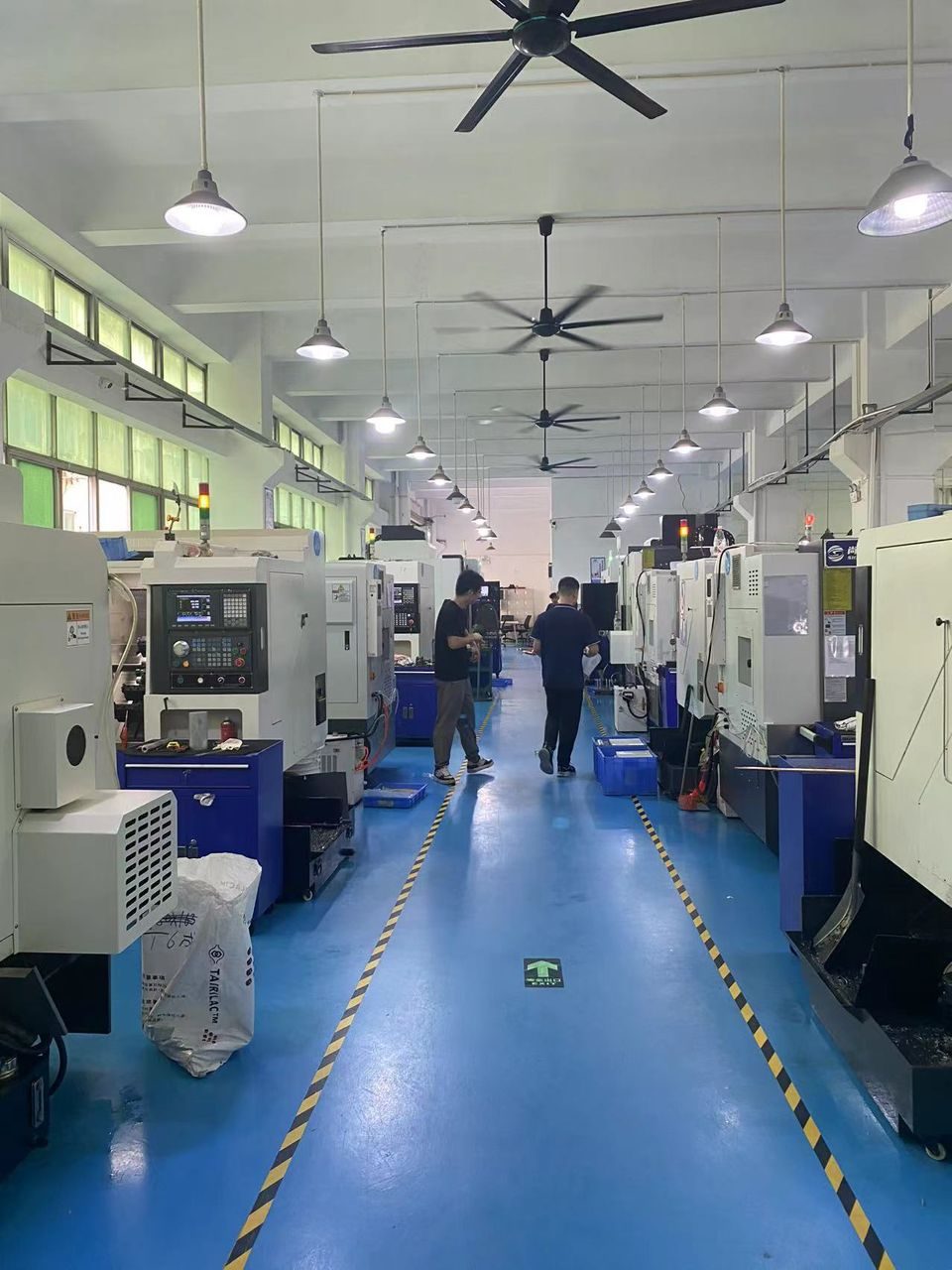
Swiss machining is the right process when a part is small in diameter, long relative to its width, and needs tight precision at volume. On a Swiss lathe the bar stock is guided through a bushing right at the cutting tool, so it’s supported exactly where it’s cut — that eliminates the deflection that limits a conventional lathe on slender parts. JUDA runs Swiss machines at our Shenzhen factory to produce pins, shafts, connectors, and precision turned components to ±0.005 mm, factory-direct.
How Swiss Machining Differs From Conventional Turning
On a standard lathe the workpiece is held in a chuck and the tool reaches out to it — the further from the chuck, the more the part flexes. A Swiss lathe (sliding-headstock) feeds the bar through a guide bushing so the tool always cuts next to the support point. That means:
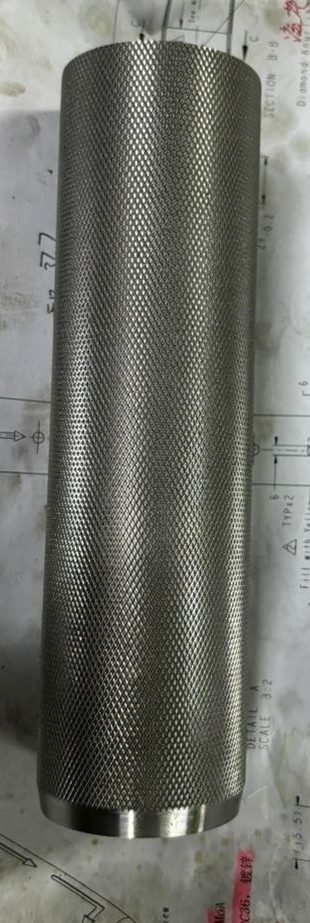
Excellent precision on long, slender parts (high length-to-diameter ratios).
Tight diameter tolerances, concentricity, and surface finish held over long runs.
Live tooling for milling, drilling, and cross-holes in one setup — finished parts off the machine.
High throughput and unattended running, ideal for medium-to-high volumes.
Typical Swiss-Machined Parts
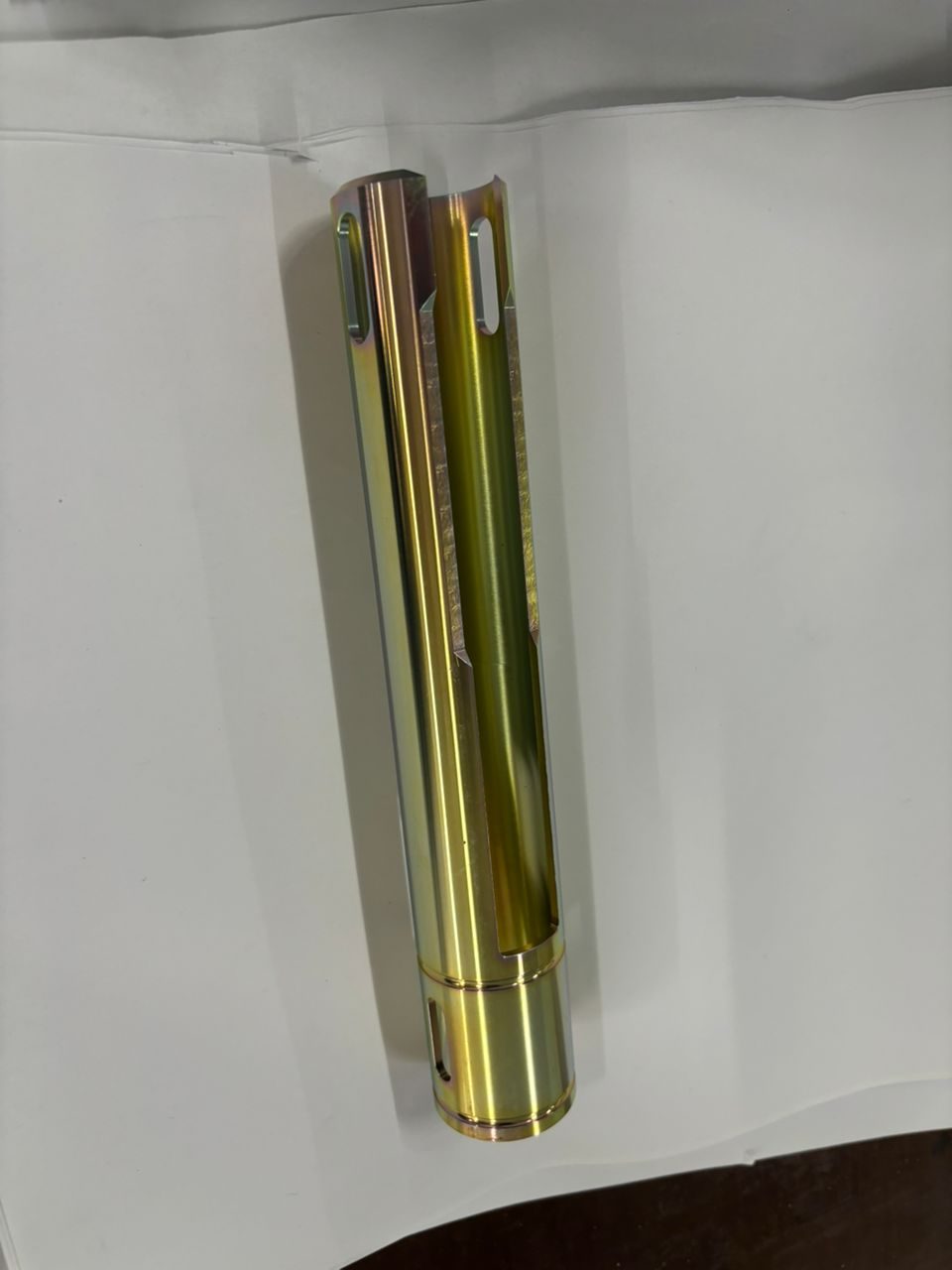
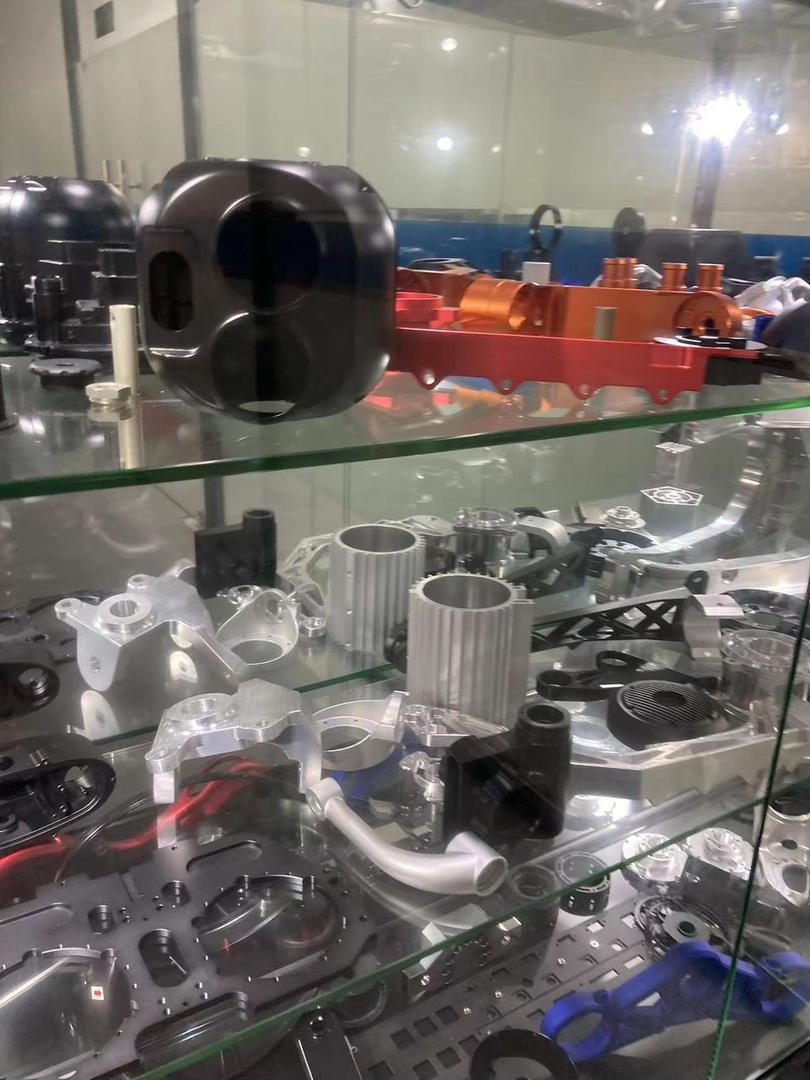
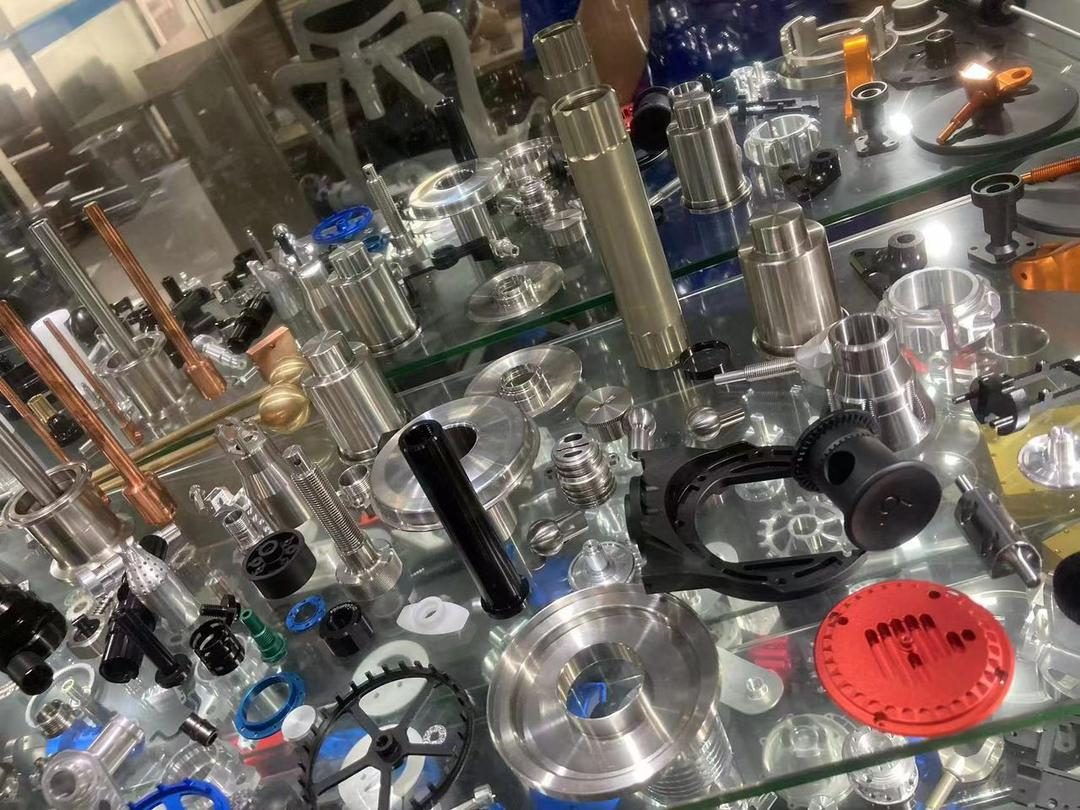
Precision shafts and pins, connector and contact pins, fasteners and standoffs, medical components (bone screws, instrument shafts, non-implant parts — see medical CNC machining), fluid fittings, electronic hardware, watch and optics components, and any small turned part with tight tolerances made in quantity.
Materials
All common Swiss materials: stainless steel (303, 304, 316L, 17-4 PH), free-machining brass and copper, aluminum, carbon and alloy steel, titanium, and engineering plastics (PEEK, Delrin, PTFE). Free-machining grades run fastest and cheapest at volume.

Tolerances & Finish
Swiss turning routinely holds ±0.005 mm on diameters with excellent concentricity and roundness, and clean surface finishes straight off the machine. Every batch is CMM-inspected with documented reports. See our tolerances guide for how to spec parts efficiently.
Why Buy Swiss Parts From JUDA
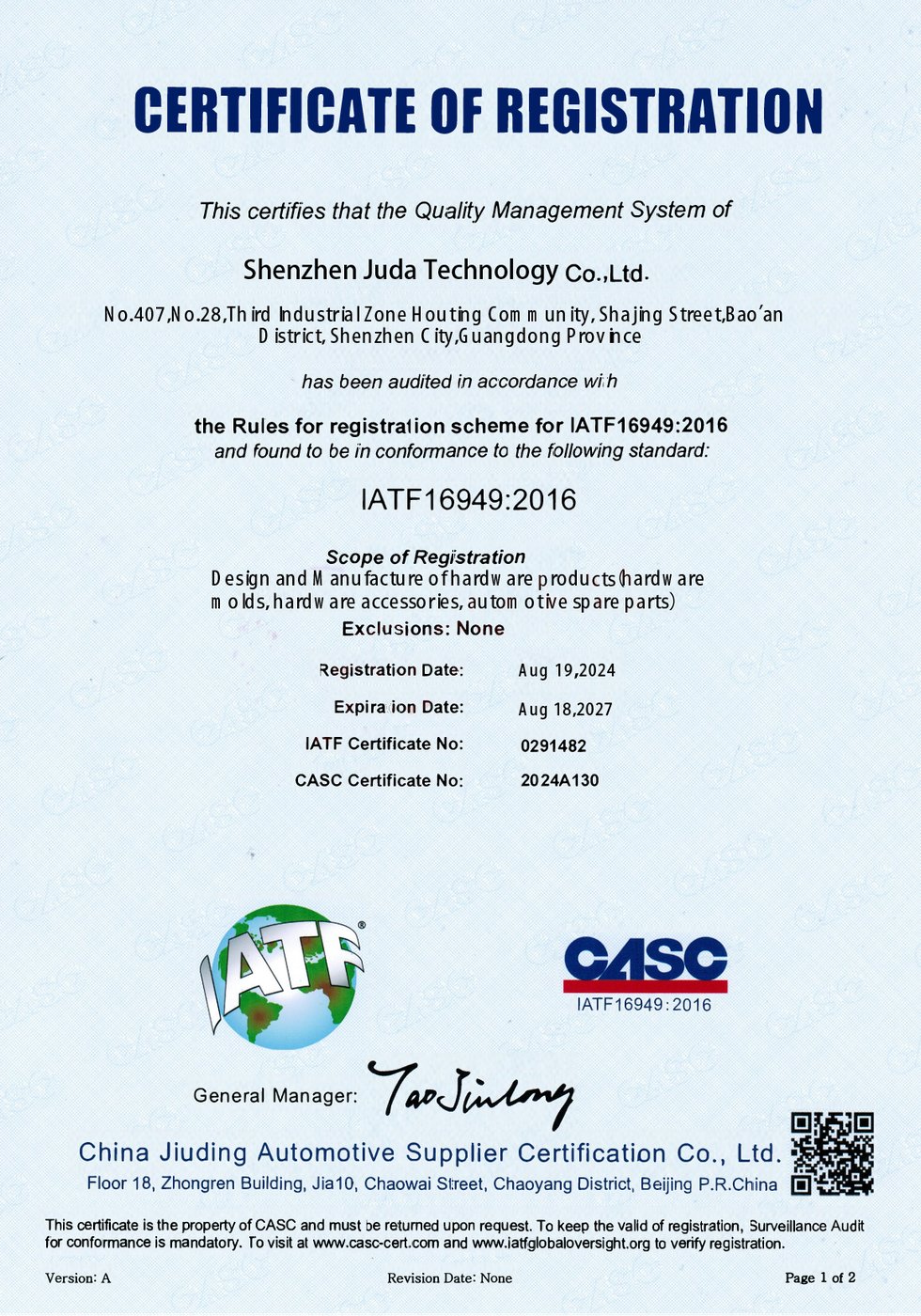
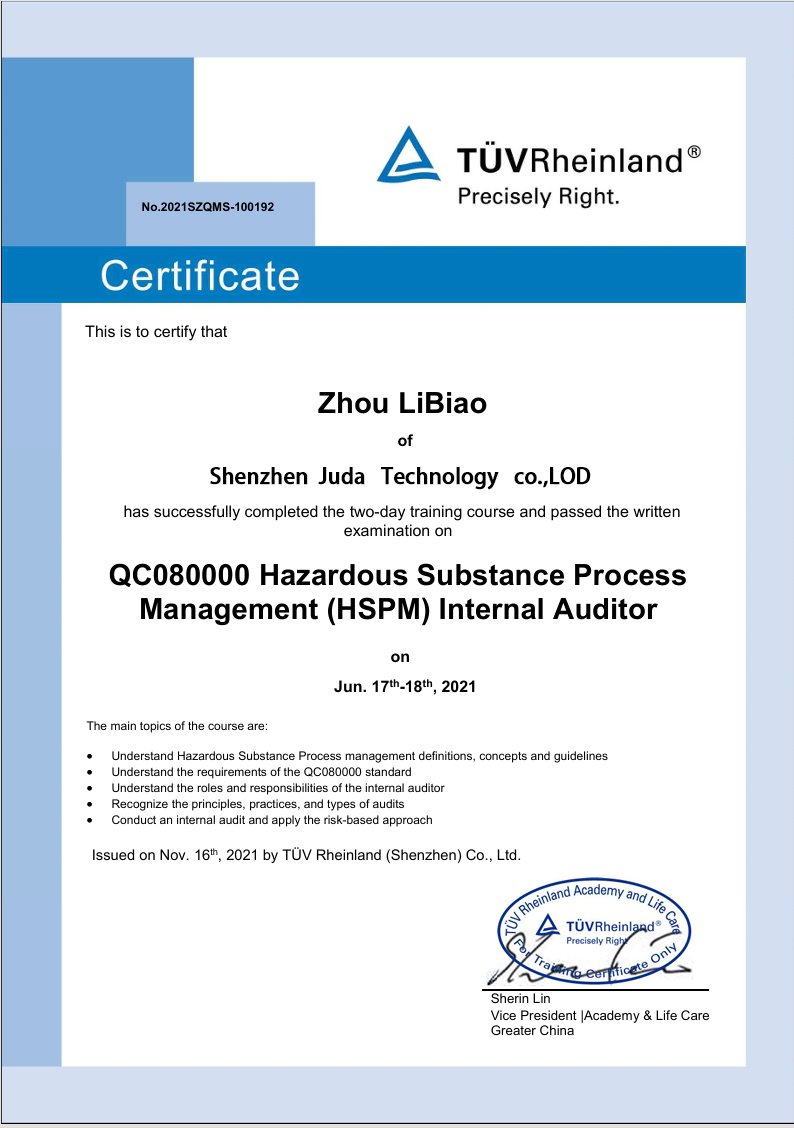
We own the machines and control quality end to end — no marketplace markup, honest DFM feedback, and factory pricing typically 30–60% below US/EU. For higher-complexity geometry we combine Swiss turning with 5-axis milling under one roof. Systems: ISO 9001, IATF 16949, ISO 14001, QC080000.
Get a Swiss Machining Quote
Send a STEP/IGES model and 2D drawing with material, tolerances, finish, and annual volume. We reply within 24 hours with tiered pricing (prototype and production) plus free DFM feedback. Start at our CNC machining China hub.
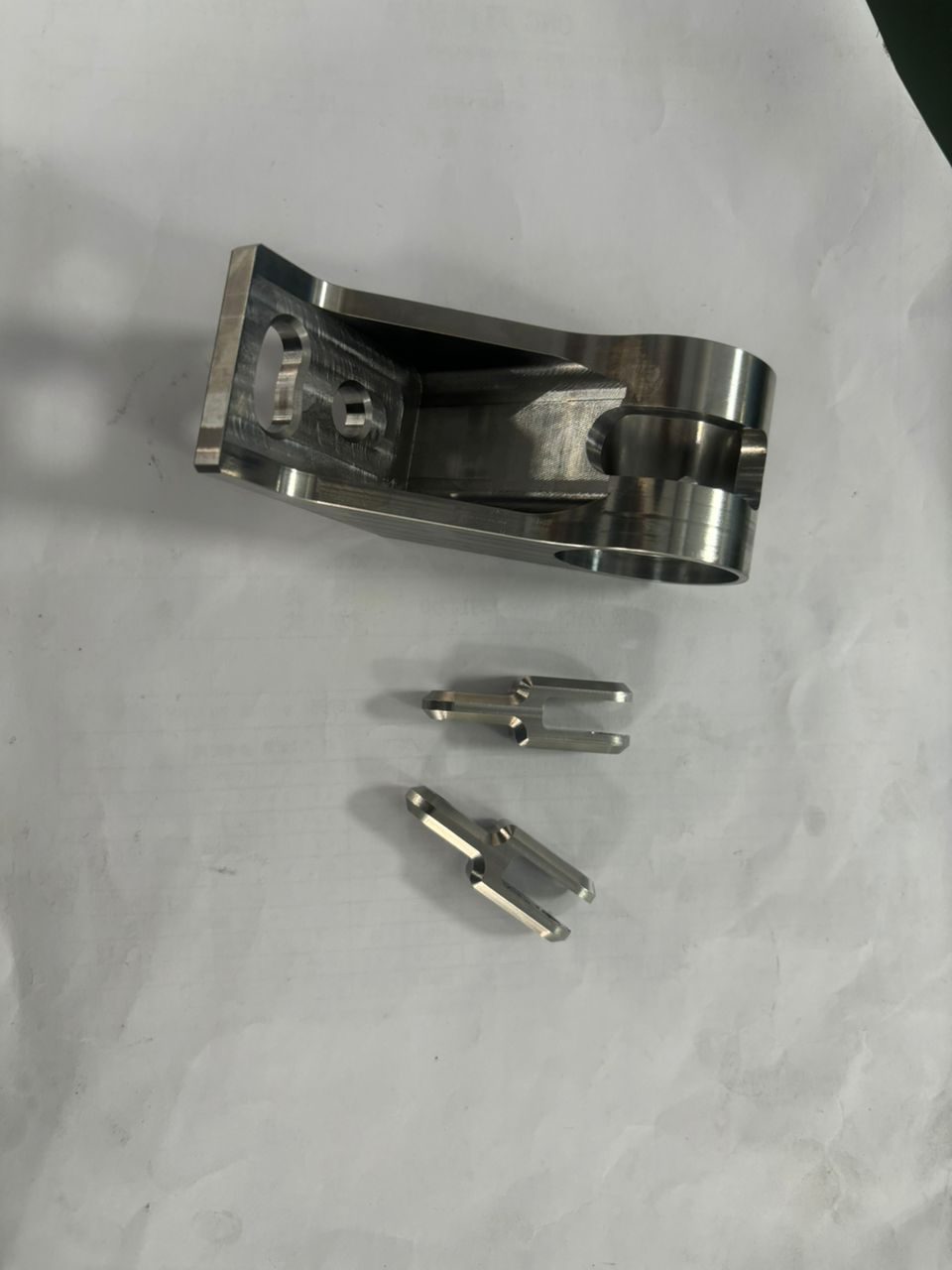
Real parts we've machined
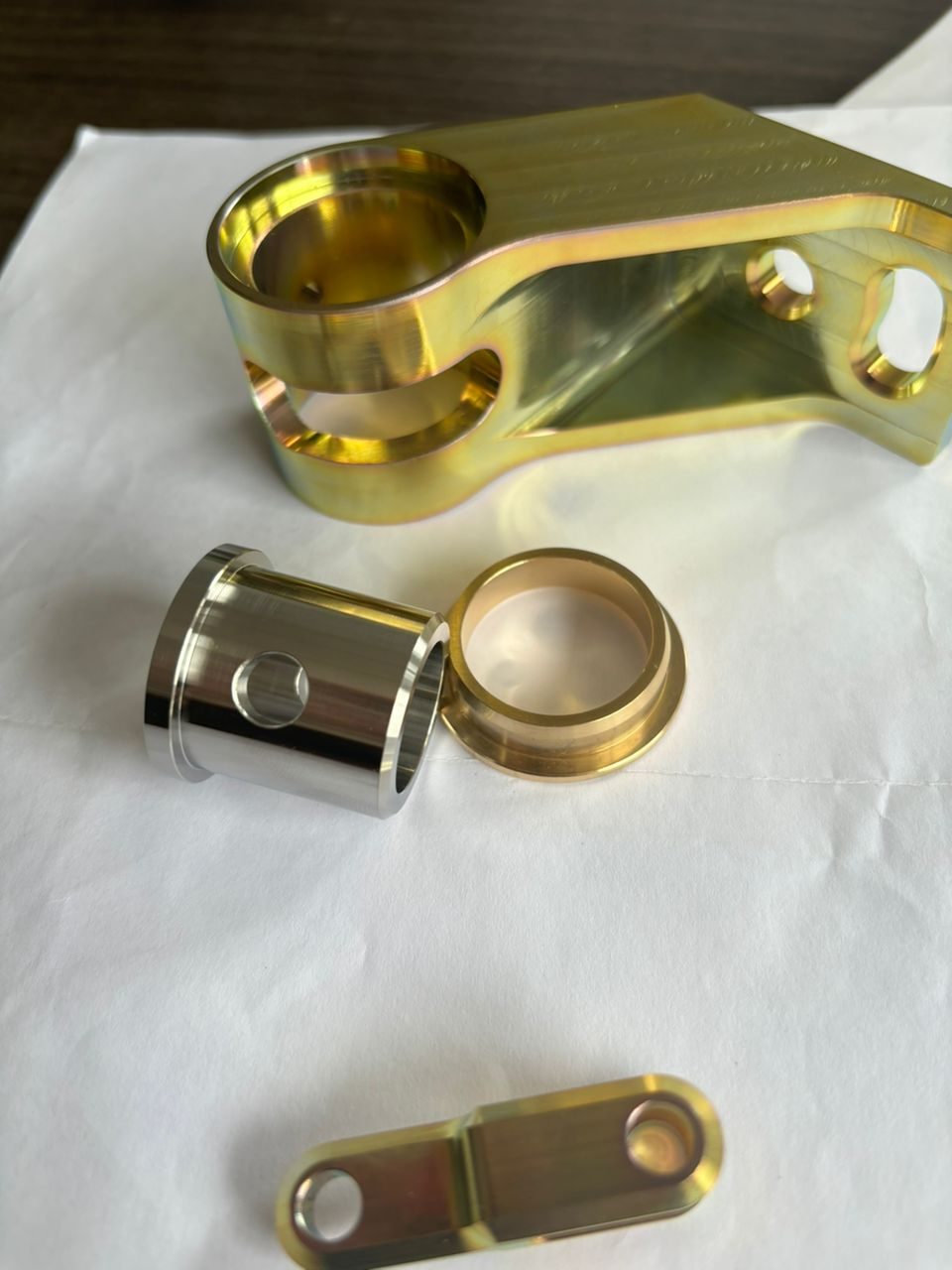
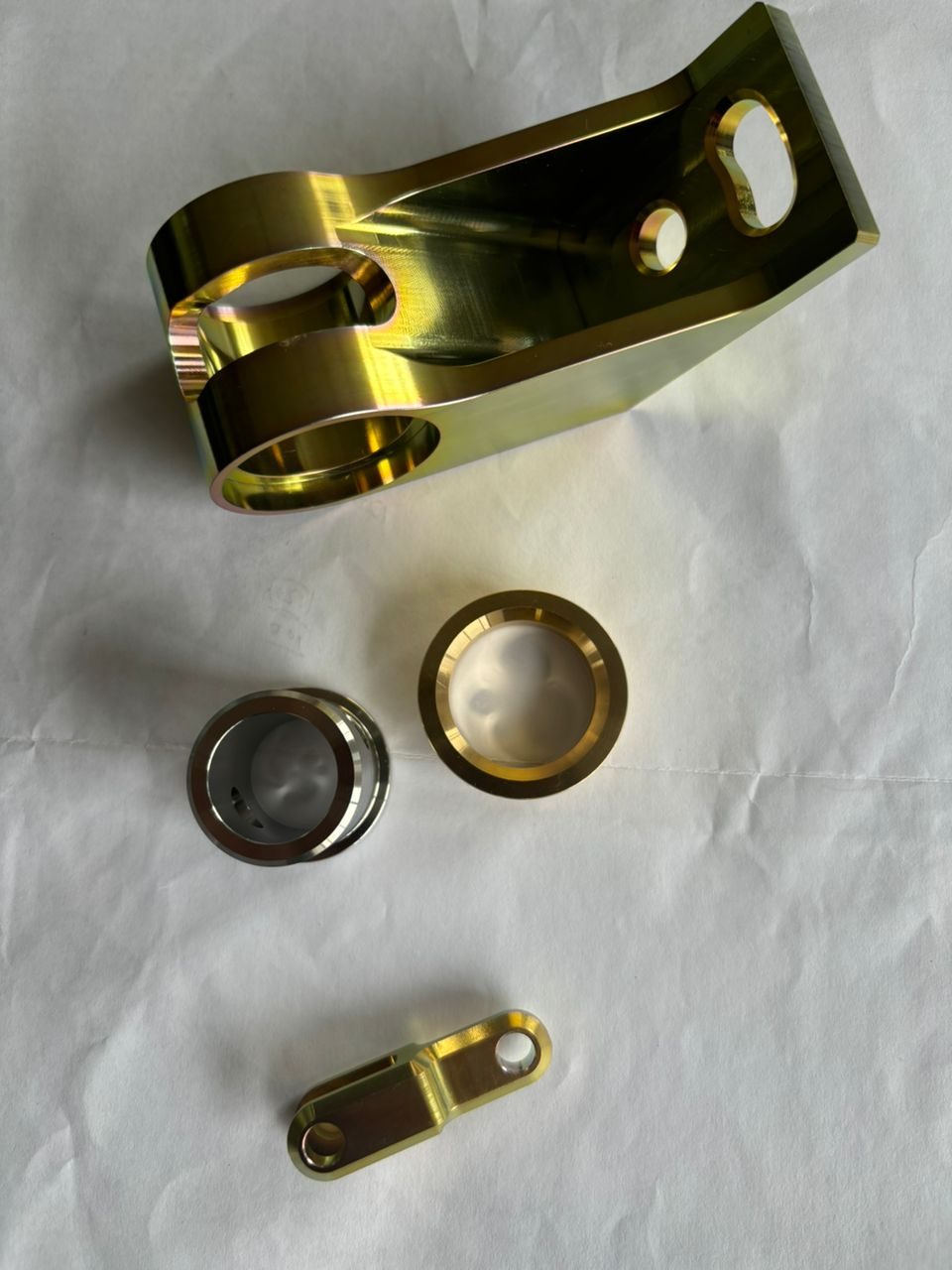
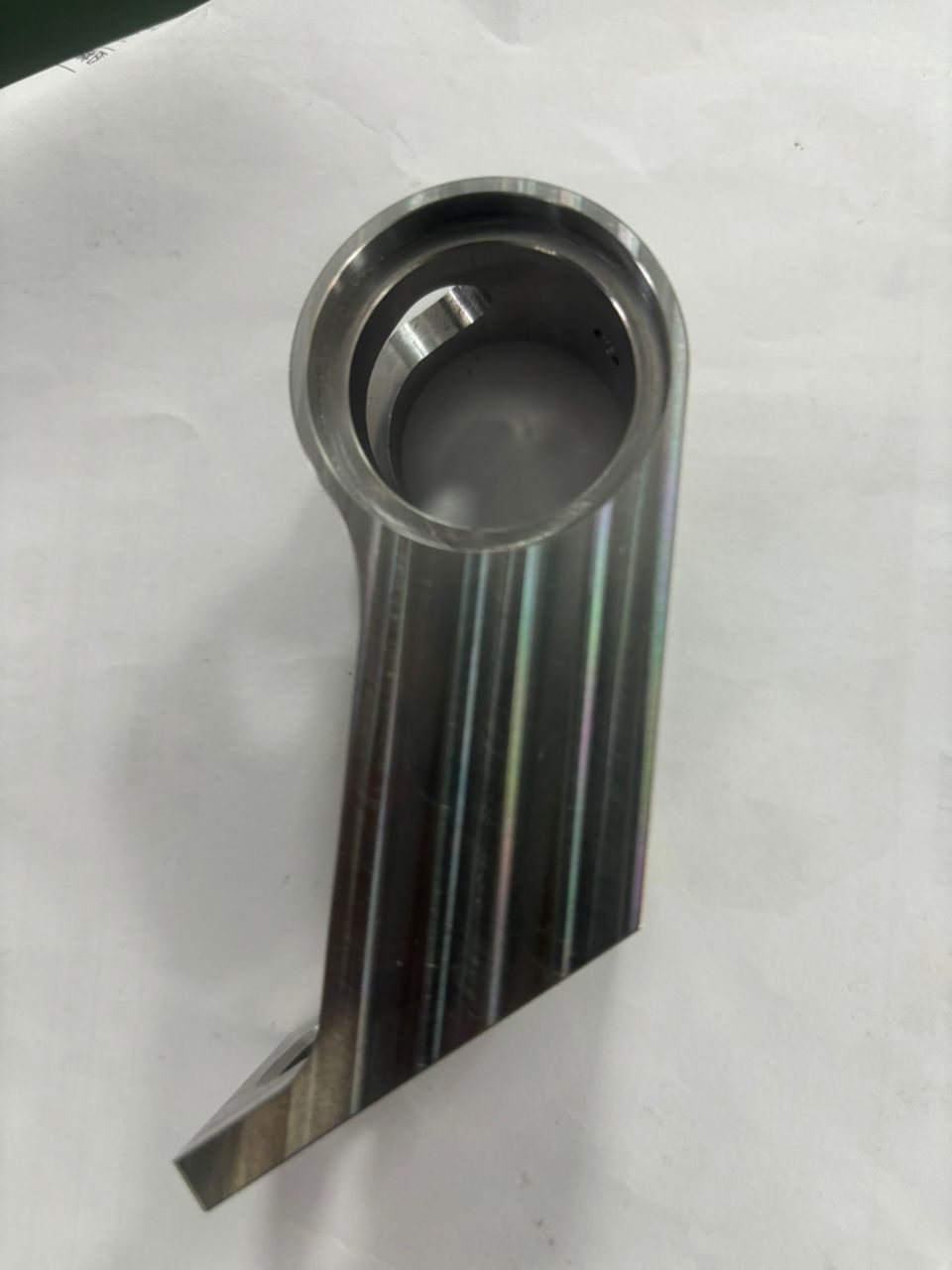
Precision you can verify — actual production parts from our Shenzhen floor.
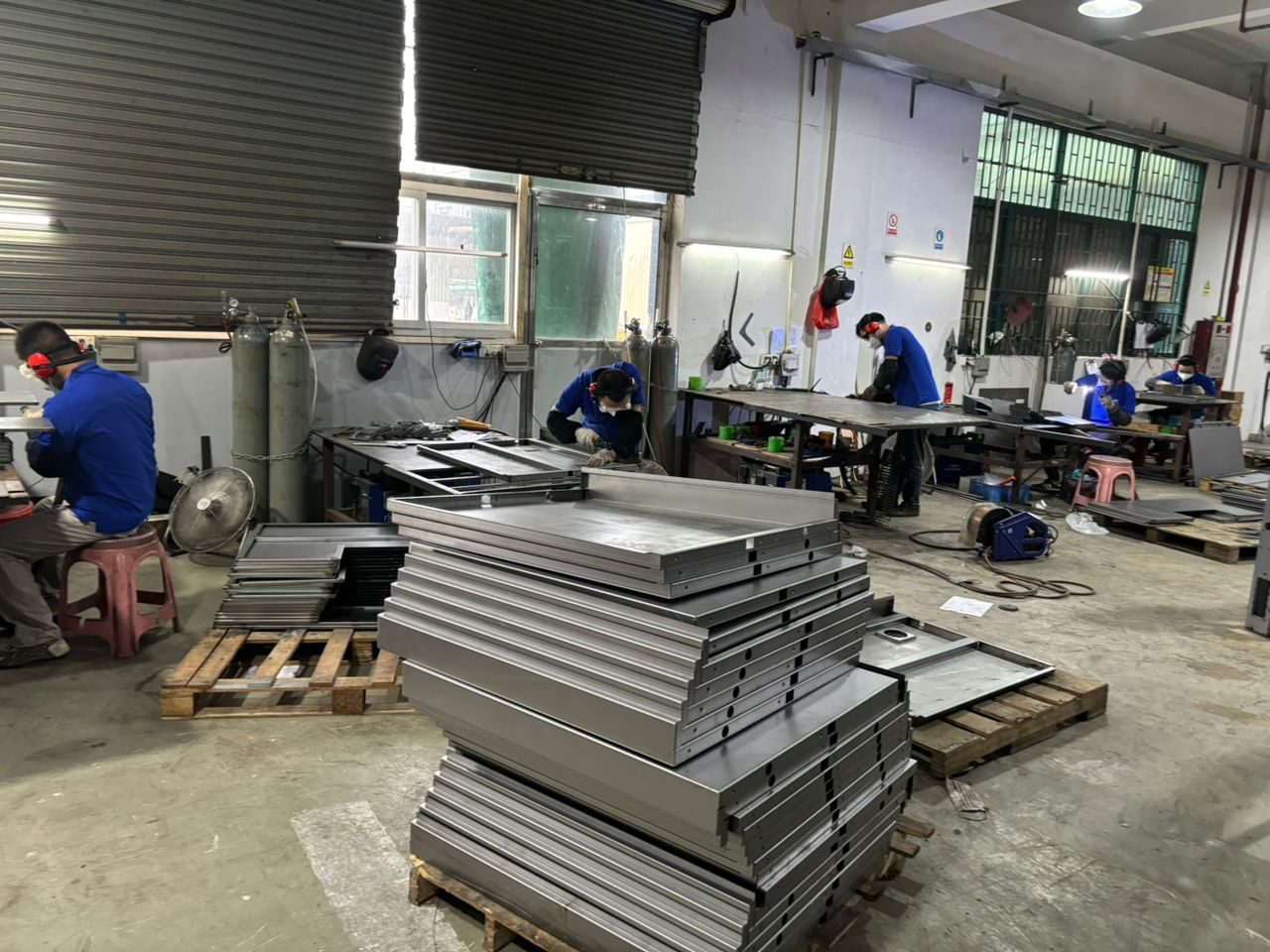
On our factory floor
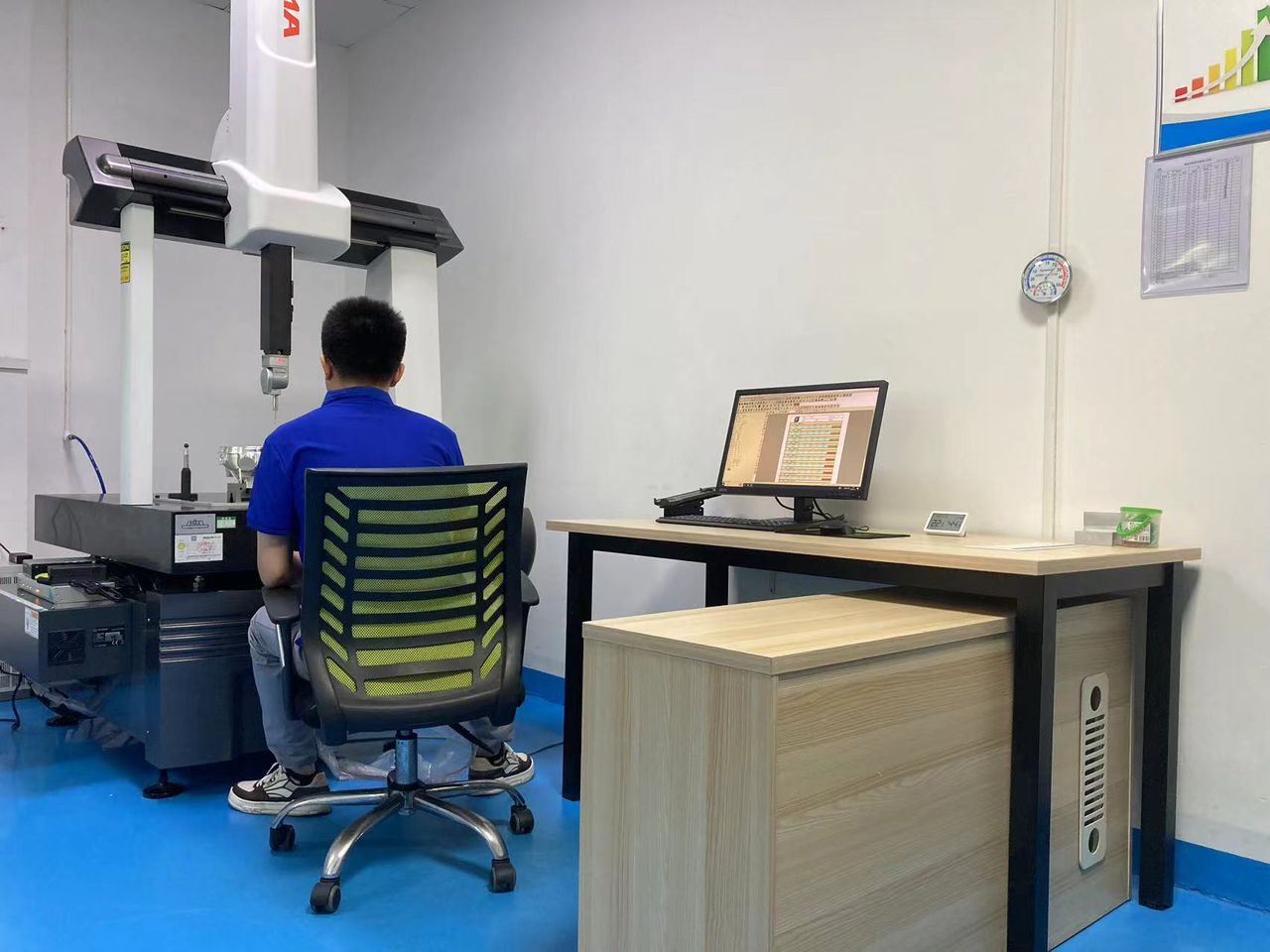
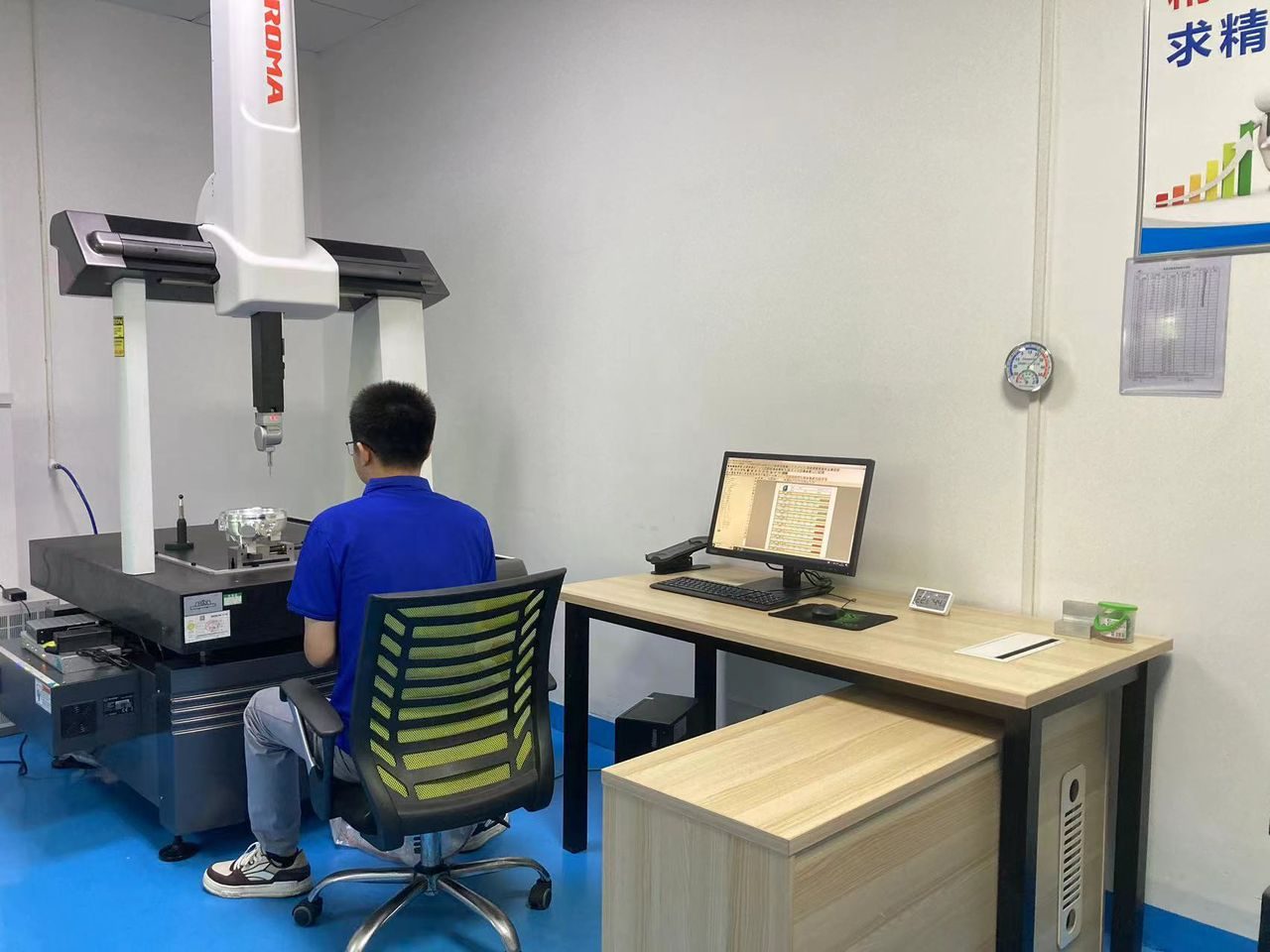
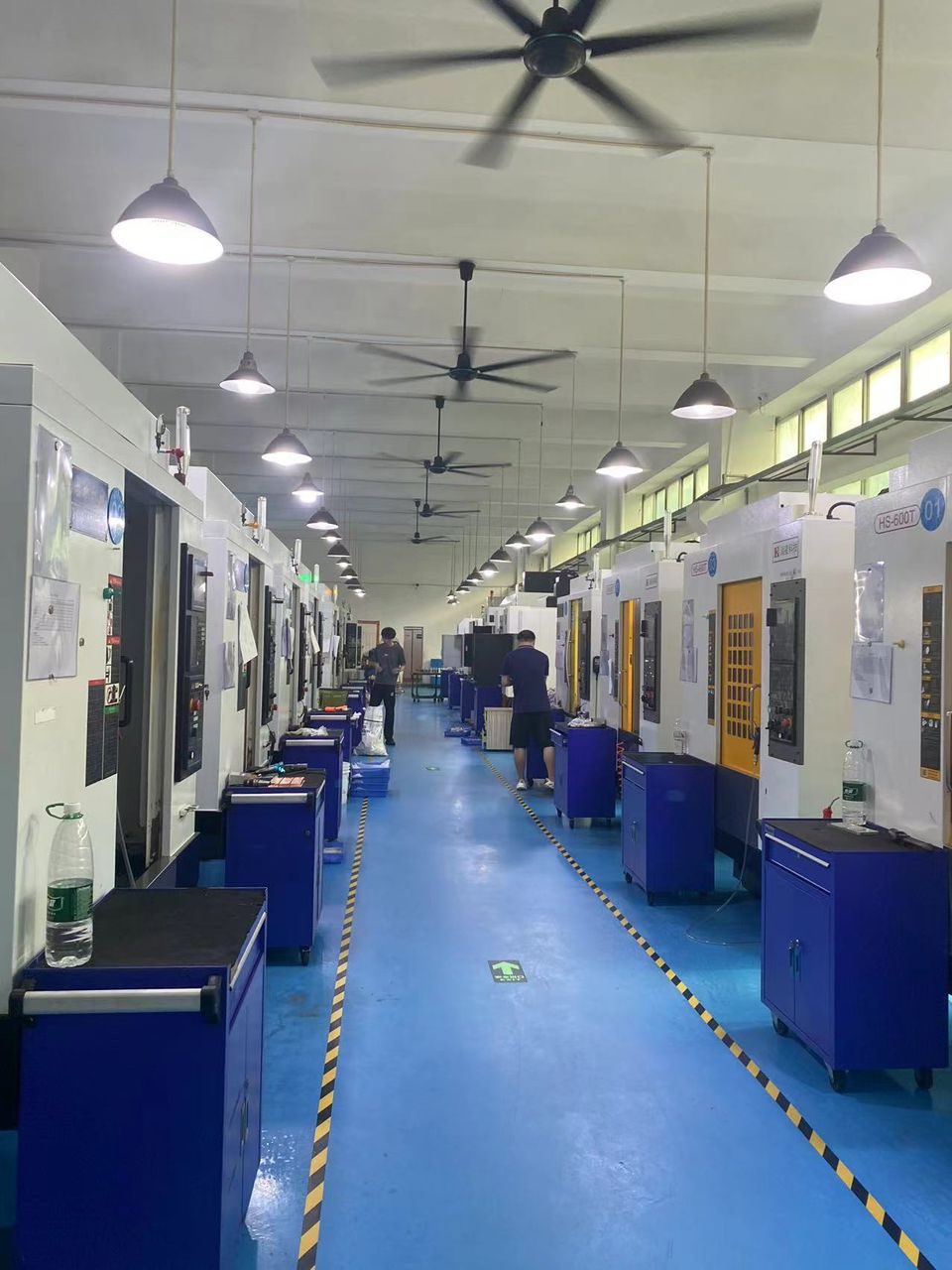
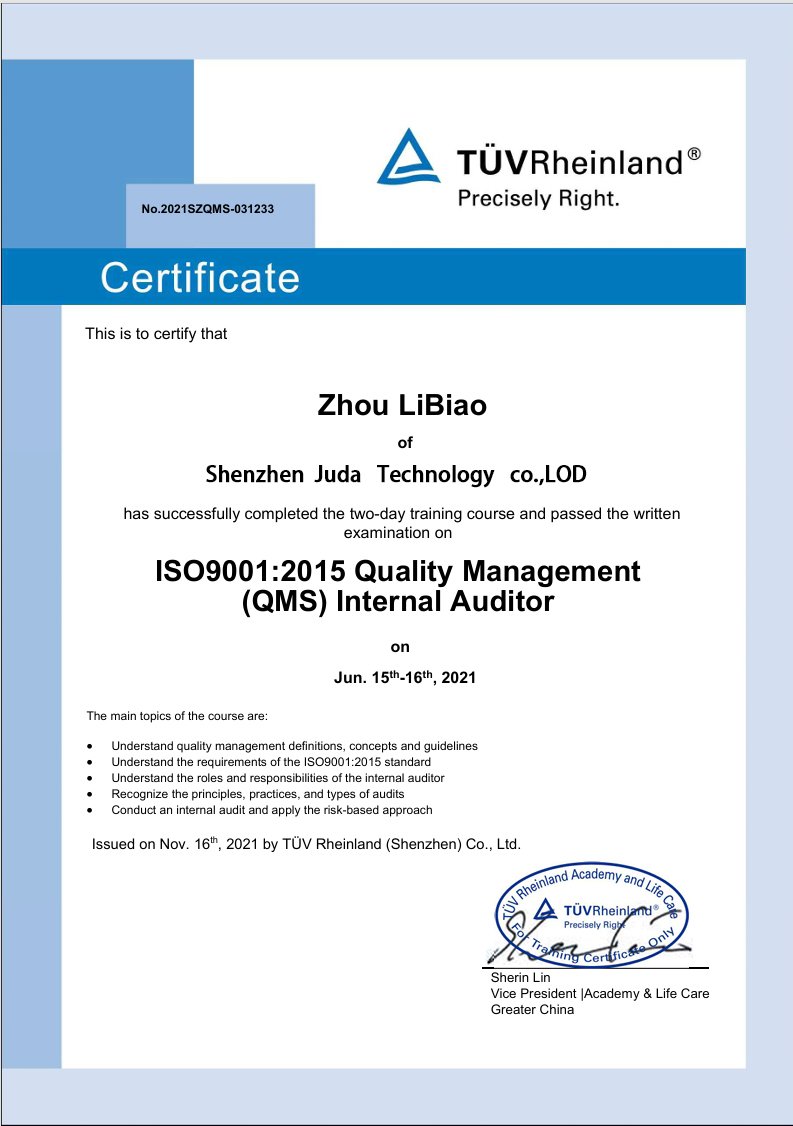
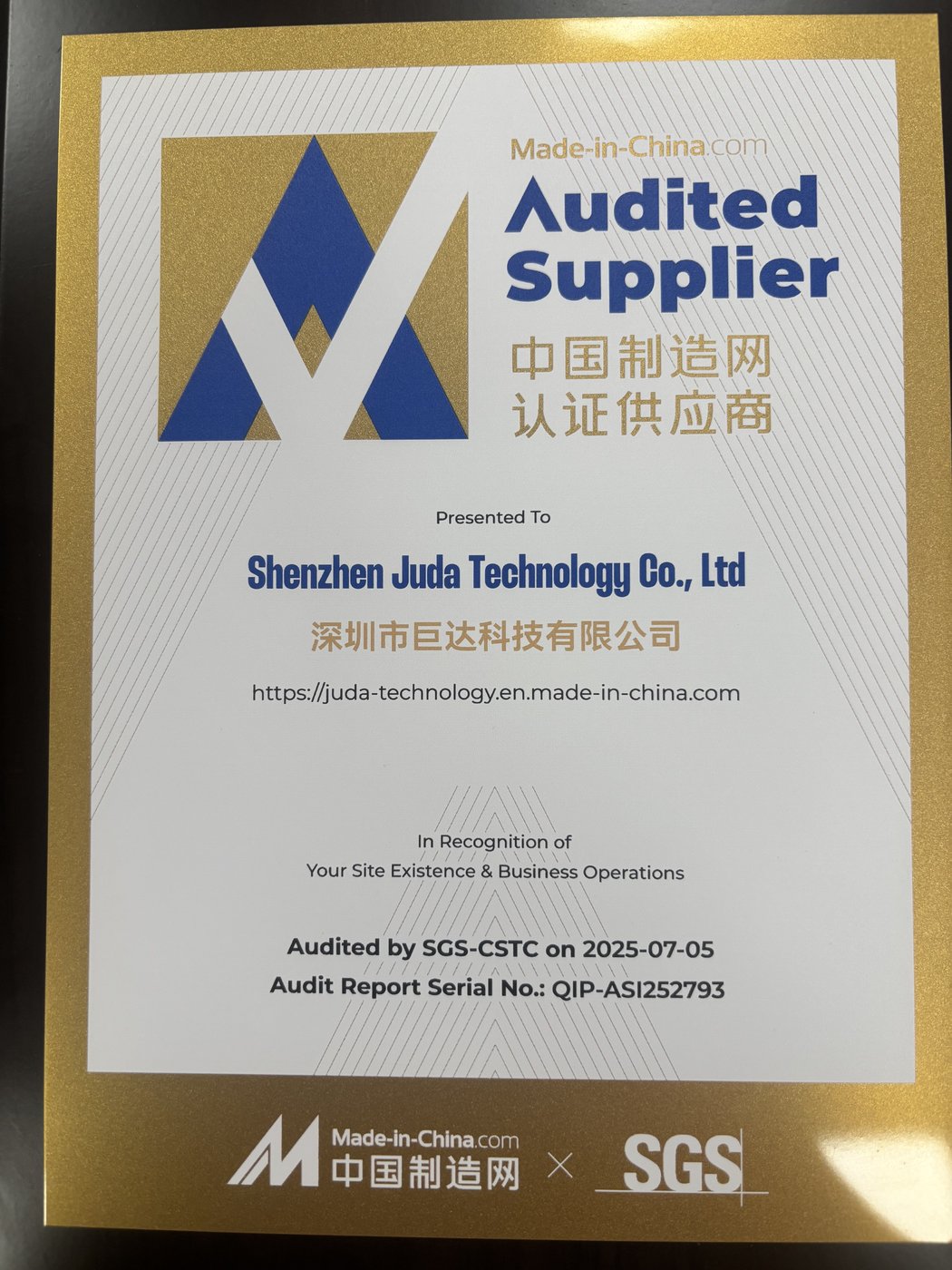
Certified quality — verifiable
Click any certificate to view the full document.
Frequently Asked Questions
When should I use Swiss machining instead of standard CNC turning?
Use Swiss machining for small-diameter parts that are long relative to their width and need tight precision, especially at medium-to-high volume. The guide bushing supports the bar right at the cutting tool, eliminating the deflection that limits conventional lathes on slender parts. For larger or shorter parts, standard turning or milling is usually more economical.
What tolerances can Swiss turning hold?
Routinely ±0.005 mm on diameters, with excellent concentricity, roundness, and surface finish held over long production runs. Every batch is CMM-inspected with documented reports.
Can Swiss machines do milling and cross-holes too?
Yes. Our Swiss machines have live tooling for milling, drilling, and cross-holes in the same setup, so parts come off the machine finished. For higher-complexity geometry we combine Swiss turning with 5-axis milling under one roof.
Is Swiss machining cost-effective for high volumes?
Very. Swiss machines run fast and unattended, so per-part cost drops sharply at volume — especially in free-machining brass and stainless grades. Send your annual quantity and we will quote prototype and production tiers together.
Discuss your project with an engineer.
Send us your CAD files and requirements. We will review manufacturability and reply with next steps.