


Titanium CNC Machining
Reliable machining for Grade 2 and Ti-6Al-4V.

Titanium CNC Machining — Grade 2 and Ti-6Al-4V
JUDA Technology machines titanium for medical implants, aerospace structural parts, defense components, marine hardware, and chemical processing. Two grades make up 95% of our titanium work: Grade 2 (commercially pure) for corrosion resistance and biocompatibility, and Grade 5 (Ti-6Al-4V) for the highest strength-to-weight ratio of any common engineering metal. Our 5-axis CNC machining centers, high-pressure coolant systems, and titanium-experienced engineers deliver finished parts with ±0.005 mm tolerance and Ra ≤ 0.8 µm surface finish.
Titanium is unforgiving to inexperienced shops. It work-hardens, galls cutting tools, holds heat in the cut zone, and demands rigid setups. This page explains how we machine it correctly — and what to send us for an accurate quote.
Why Customers Choose Titanium
Titanium’s combination of properties is unmatched:
Strength-to-weight ratio:
Ti-6Al-4V has the tensile strength of medium-strength steel at 56% of the weight
Corrosion resistance:
Forms a passive TiO₂ layer that resists chlorides, seawater, and most acids
Biocompatibility:
Grade 2 and Grade 5 are FDA-approved for permanent implants (hip stems, dental, spinal cages)
Temperature stability:
Retains strength up to ~430°C — used in jet engines, exhaust systems
Non-magnetic:
Critical for MRI-compatible implants and defense electronics housings
Low thermal expansion:
Dimensional stability across temperature swings

Grade Selection — Which Titanium to Use
Grade 2 (Commercially Pure Titanium, CP-Ti)
~99% pure titanium with trace iron and oxygen. Soft enough to bend, weld, and form easily. Use for:
- Chemical processing equipment (reactor liners, heat exchangers, pump housings)
- Marine fittings (corrosion-prone hardware)
- Medical instruments not requiring high strength (handles, retractors)
- Architectural cladding (Frank Gehry’s Guggenheim Bilbao)
Tensile strength: ~340 MPa. Yield: ~275 MPa. Density: 4.51 g/cm³.
Grade 5 (Ti-6Al-4V, “Ti64”)
Titanium with 6% aluminum and 4% vanadium. Heat-treatable alpha-beta alloy. The workhorse of aerospace and medical titanium. Use for:
- Aerospace structural parts (brackets, fittings, landing gear components)
- Medical implants (hip stems, knee components, spinal cages, dental implants)
- Defense (radar housings, sensor mounts, weapons components)
- High-performance automotive (suspension components, fasteners)
- Marine propeller shafts, submarine components
Tensile strength: ~950 MPa (heat-treated to ~1170 MPa). Yield: ~880 MPa. Density: 4.43 g/cm³. Heat-treatable to higher strengths.
Other titanium grades on request
Grade 23 (Ti-6Al-4V ELI — extra low interstitial, for medical implants), Grade 9 (Ti-3Al-2.5V — formable tube and sheet), Grade 7 (palladium-stabilized for severe corrosion). Contact us for availability and lead times.
How JUDA Machines Titanium
Titanium machining done badly produces parts that look fine but have residual stress, micro-cracks, or galling damage that fails in service. We do it the right way:
Rigid setups
Titanium’s modulus of elasticity (110 GPa) is half that of steel — it deflects more under cutting force. We use full-contact fixturing, soft jaws ground to part shape, and avoid long unsupported tool overhangs.
Sharp tools, correct geometry
Positive rake carbide inserts with PVD (TiAlN) coating. Dull tools rub instead of cutting, generating heat that work-hardens the surface — which then dulls the next tool faster. We change cutters on a fixed schedule based on cycle count, not on visible wear.
Low RPM, high feed
Counter-intuitively, titanium is machined at LOWER spindle speeds than steel (50-80 m/min for roughing, 80-120 m/min for finishing). The chip carries away the heat — slow cuts let heat soak into the part and tool.
High-pressure through-spindle coolant
Our 5-axis machines run with 70+ bar coolant directed through the tool. This clears the chips immediately (critical — recutting chips ruins surface finish and breaks tools), and dramatically extends tool life.
Climb milling, never conventional
Climb milling pushes the chip away from the cutting edge. Conventional milling pushes it back into the cut — guaranteed work hardening on titanium.
In-process probing
We probe parts every 5-10 pieces during production runs to catch any drift from tool wear before scrap parts ship.

Surface Finishes for Titanium
- As-machined: Ra 0.8-1.6 µm typical, Ra 0.4 µm achievable with finishing passes
- Bead blasting: Uniform matte finish, removes machining marks, common for medical implants pre-anodizing
- Anodizing (Type II): Color anodizing in blue, green, gold, purple — controlled by oxide thickness (no dye). Used for medical instrument color-coding.
- Anodizing (Type III hardcoat): Thicker oxide layer for wear resistance
- Polishing: Ra ≤ 0.1 µm mirror finish for orthopedic articulating surfaces
- Passivation per ASTM A967: Removes embedded iron from machining tools, restores corrosion resistance
Quality & Documentation
For medical titanium work we provide:
- Material certifications traceable to mill heat (ASTM F136 or F1472 for implant-grade)
- Biocompatibility documentation (ISO 10993 trail to material supplier)
- Cleanliness validation per ASTM F2459
- FDA-style traceability records
For aerospace titanium:
- First Article Inspection per AS9102
- NADCAP-compliant heat treatment (subcontracted to certified facility)
- Full CMM dimensional reports
- Surface roughness verification
Pricing & Lead Times
Titanium is 5-10× the material cost of aluminum and 3-5× the machining time. Plan accordingly:
- Prototype (1-5 parts): 3-5 business days for Grade 2, 5-7 for Grade 5 (heat treatment adds time)
- Small batch (10-50 parts): 10-15 business days
- Production (100+ parts): 20-30 business days; we stock common bar stock (Grade 5 round bar 25-100mm) for repeat customers
Real parts we've machined
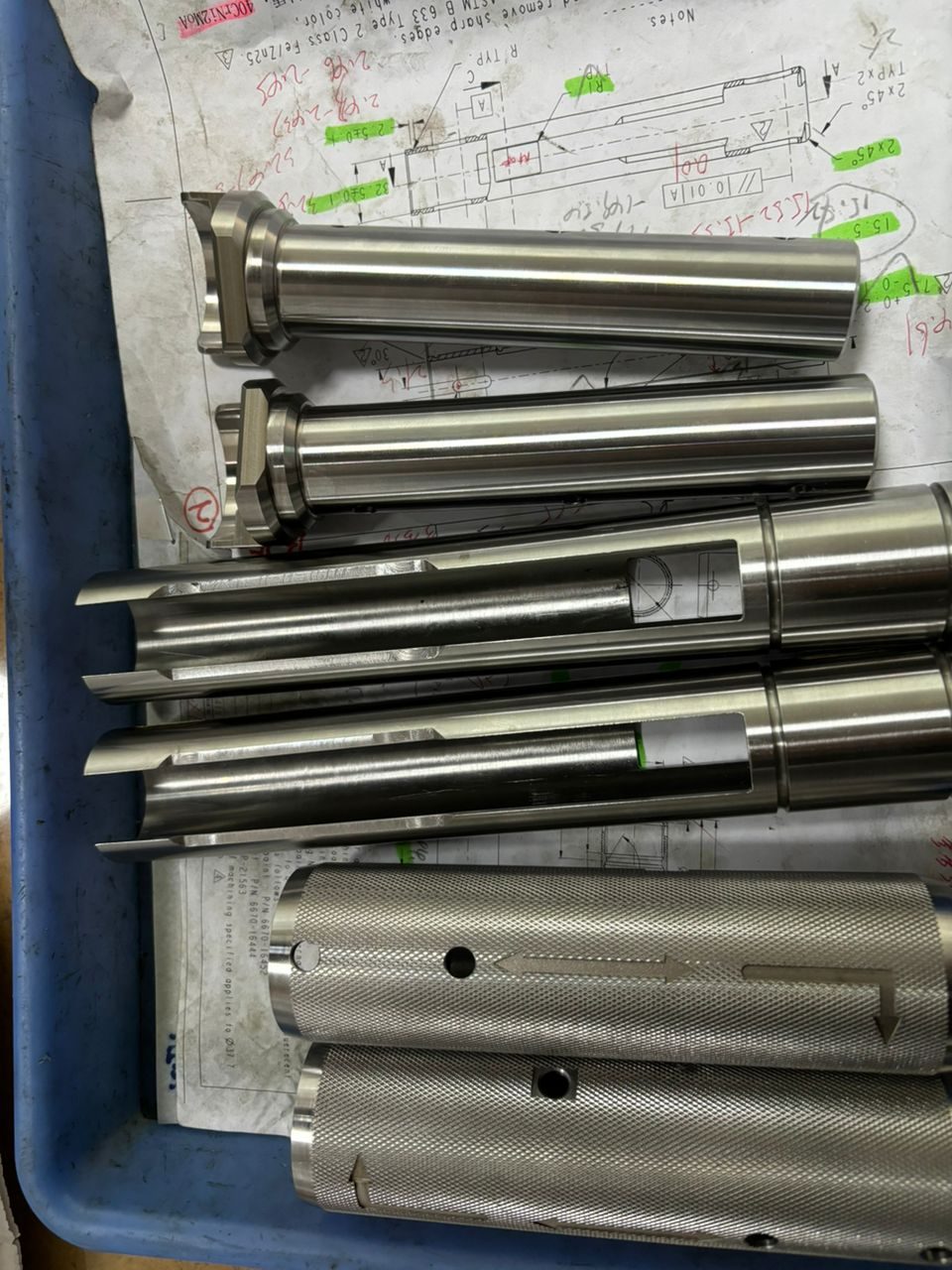
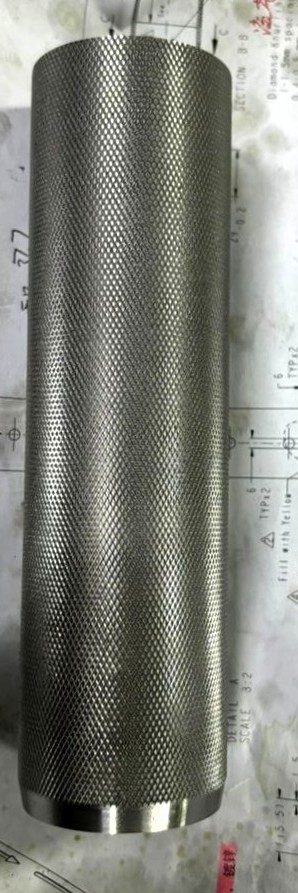
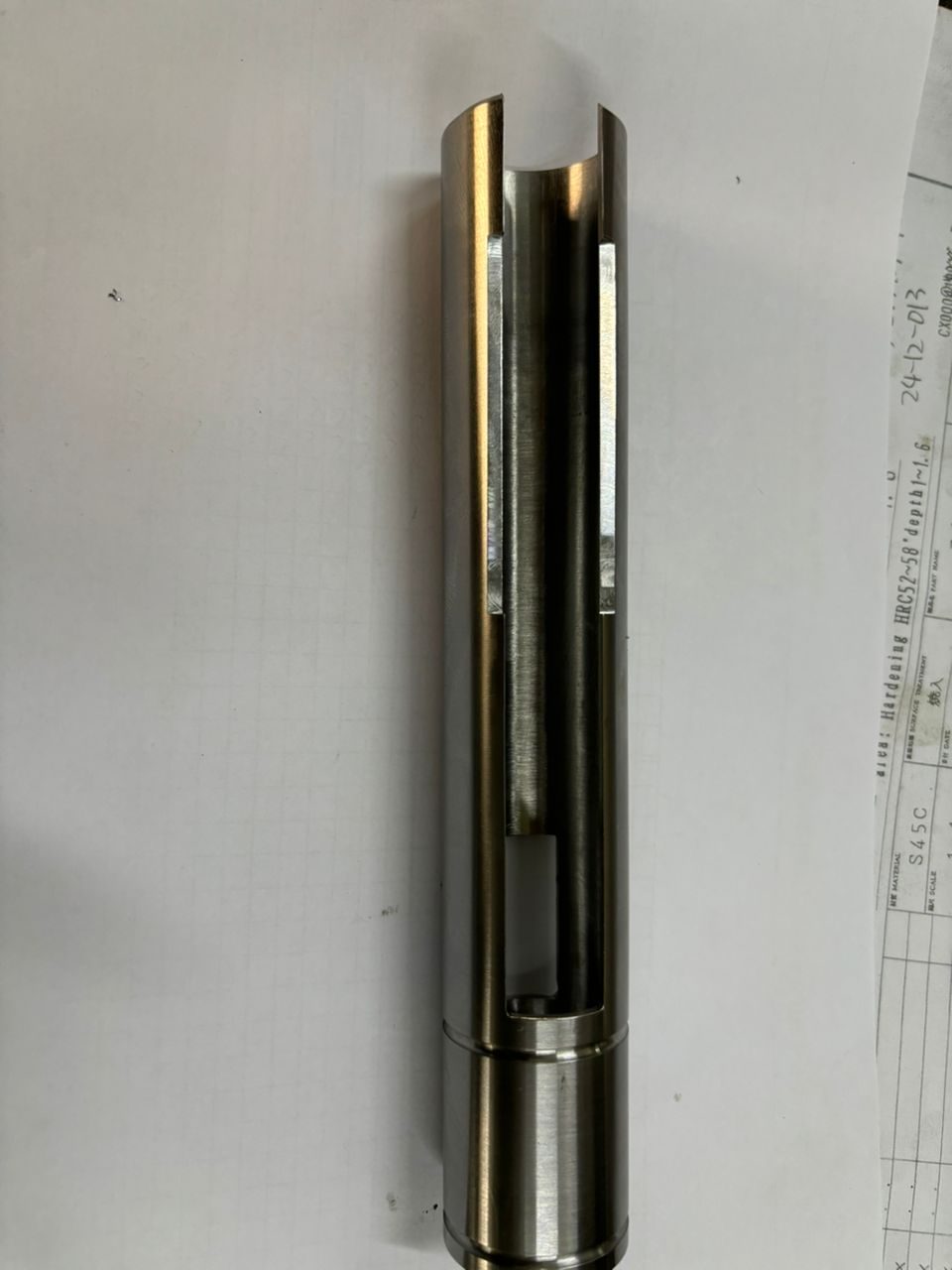
Precision you can verify — actual production parts from our Shenzhen floor.
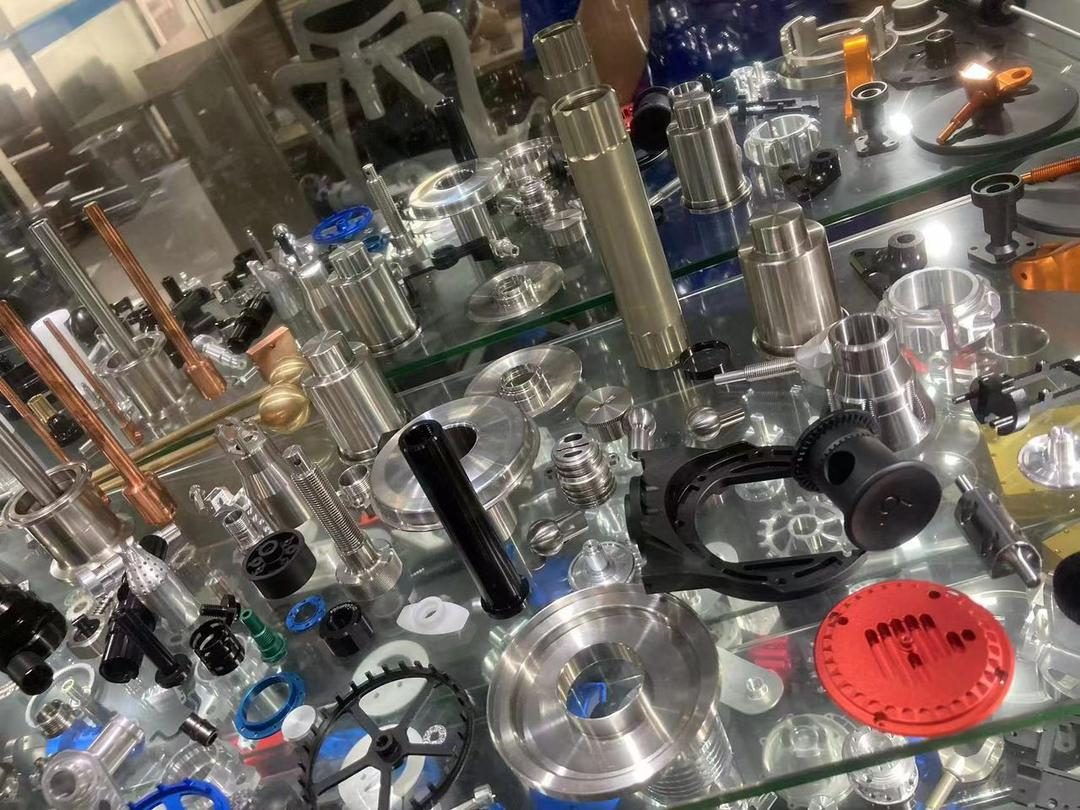
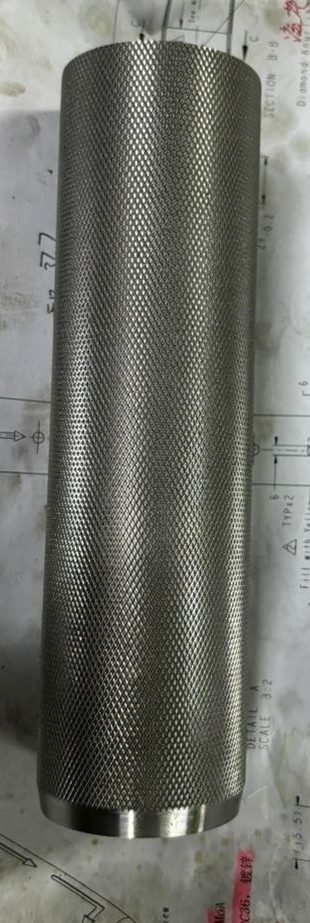
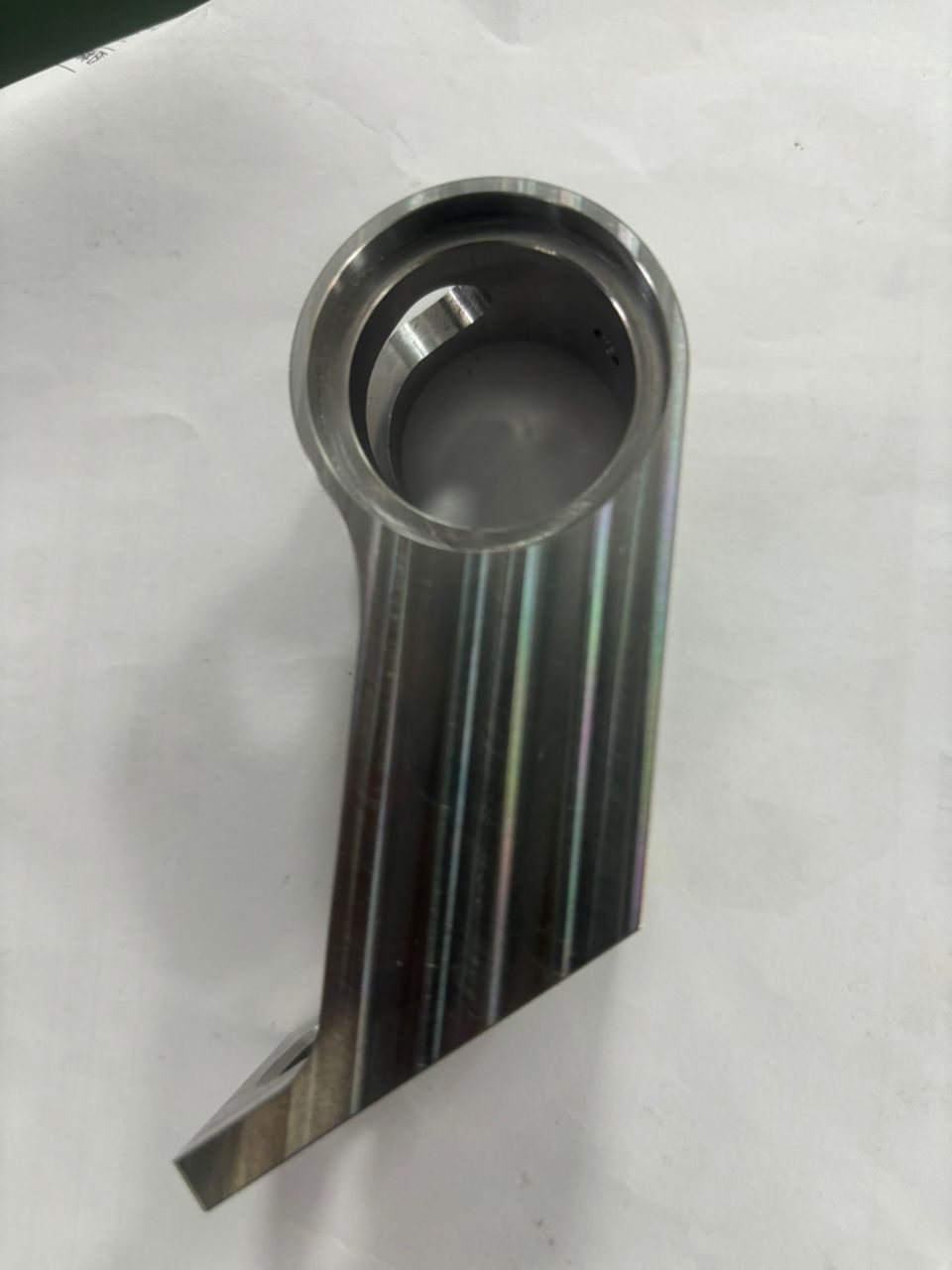
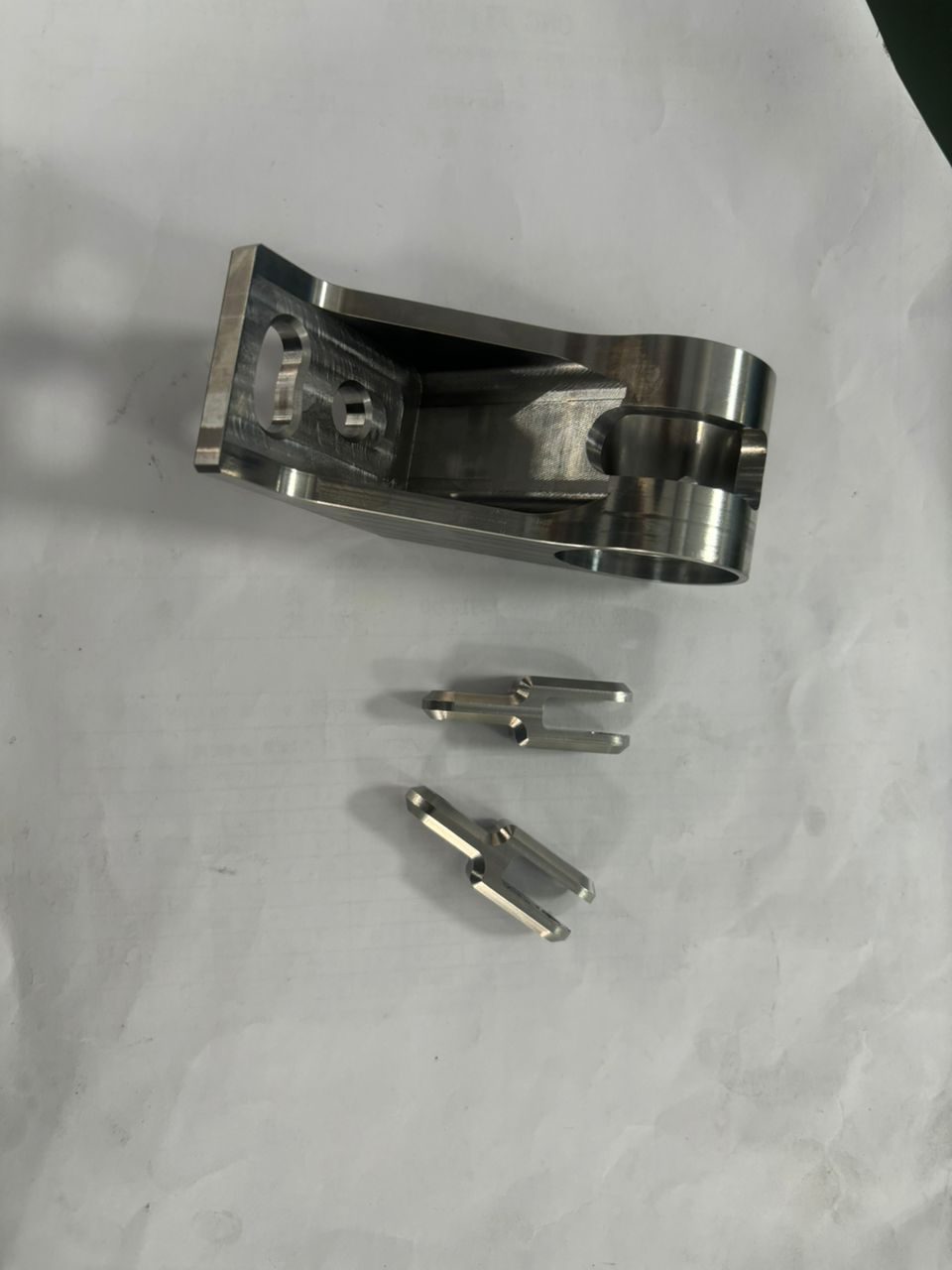
On our factory floor
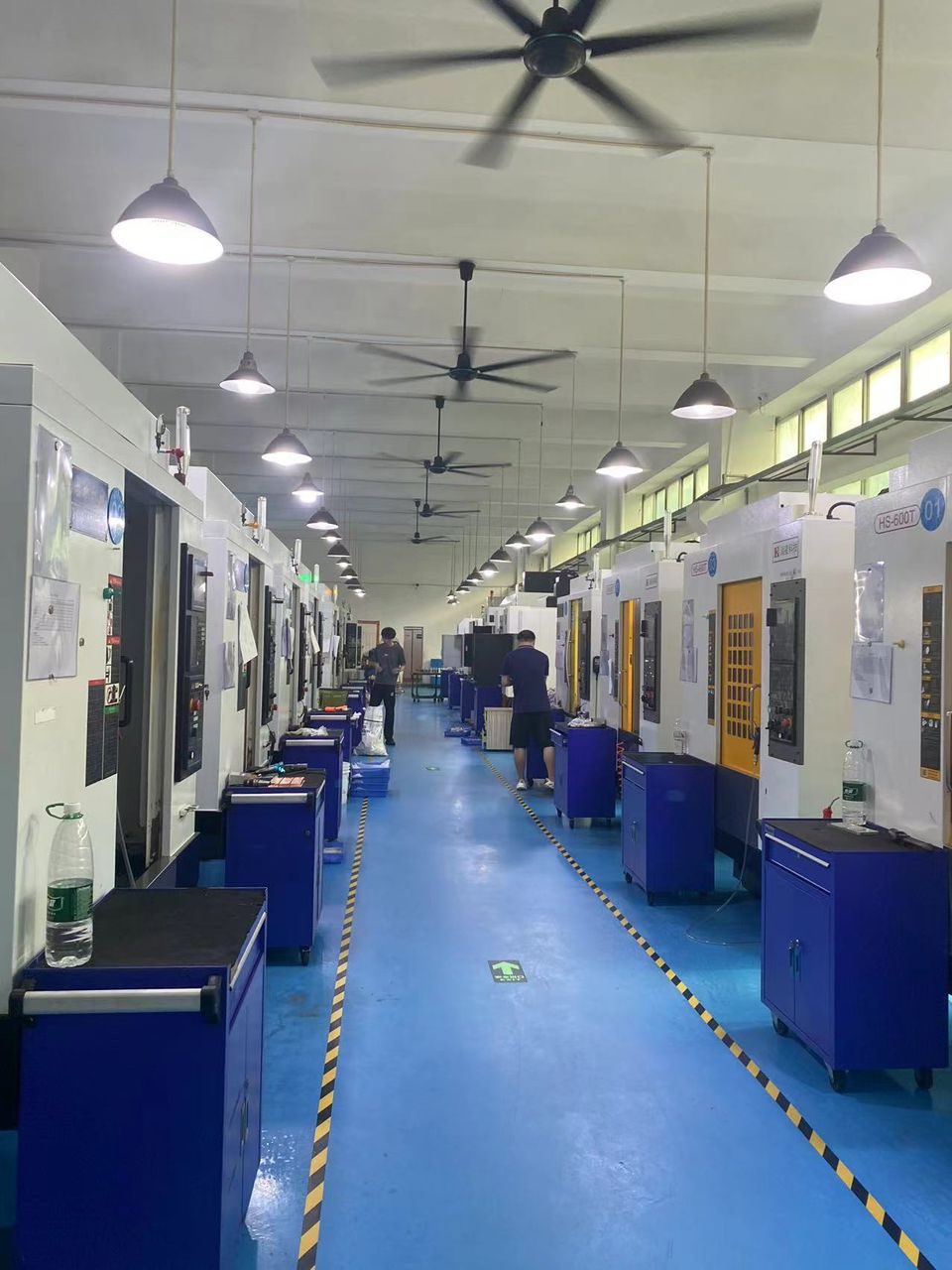
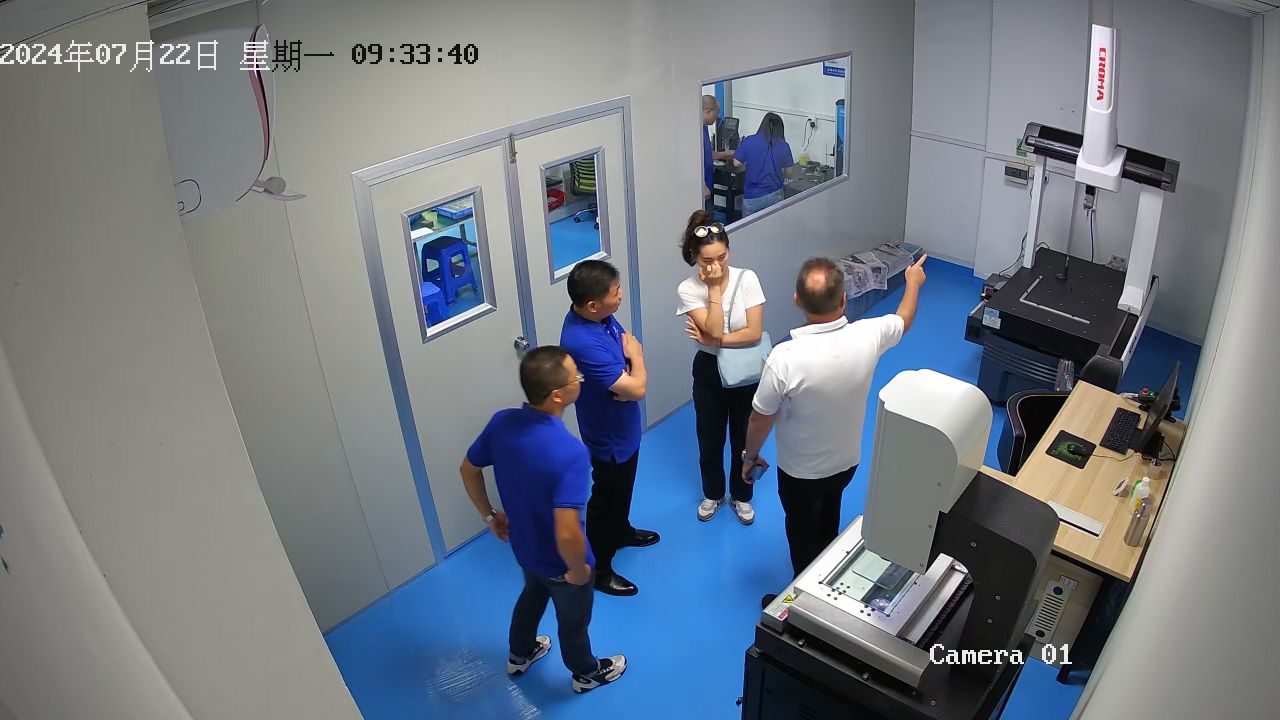
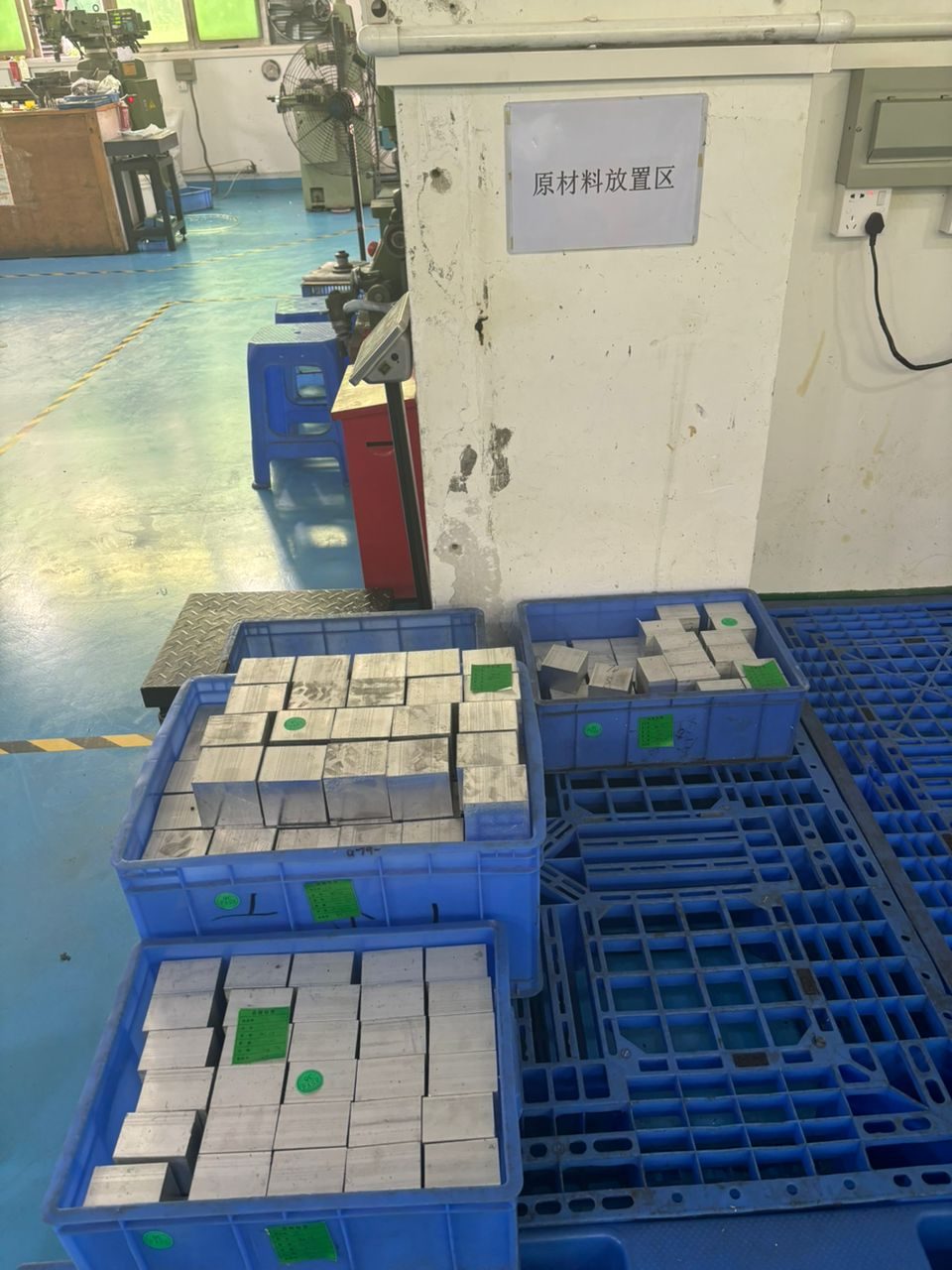
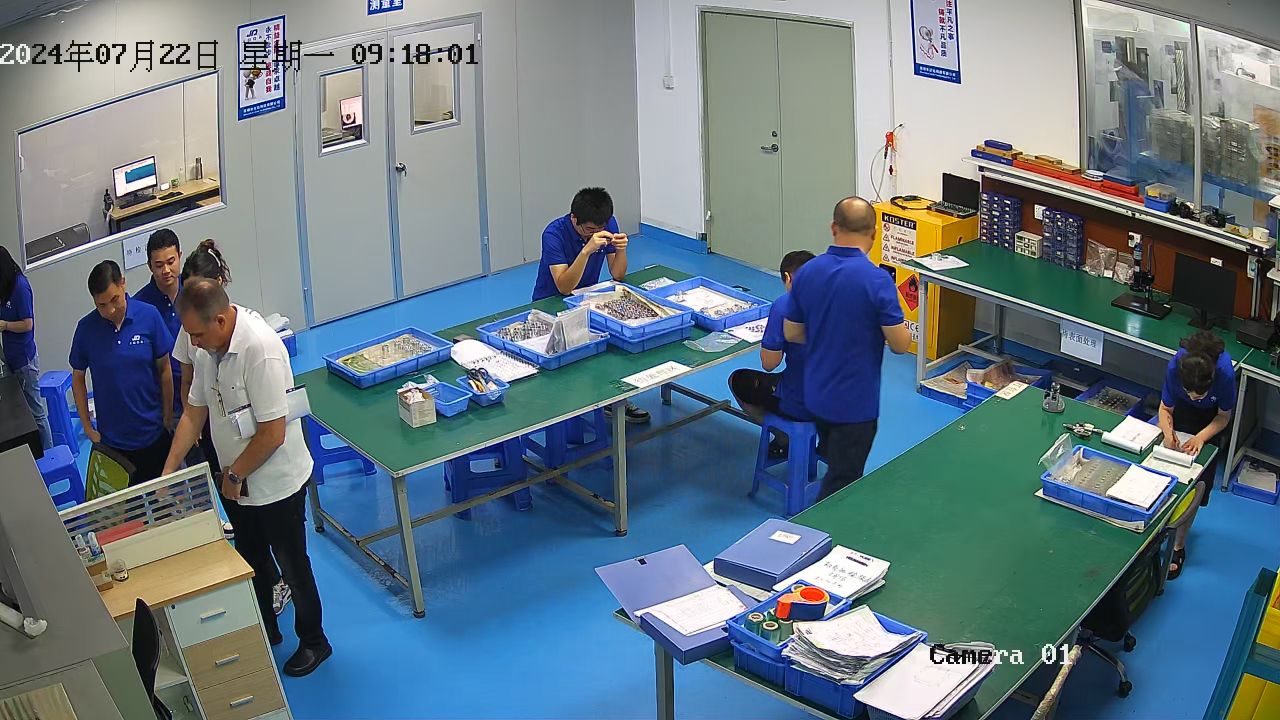
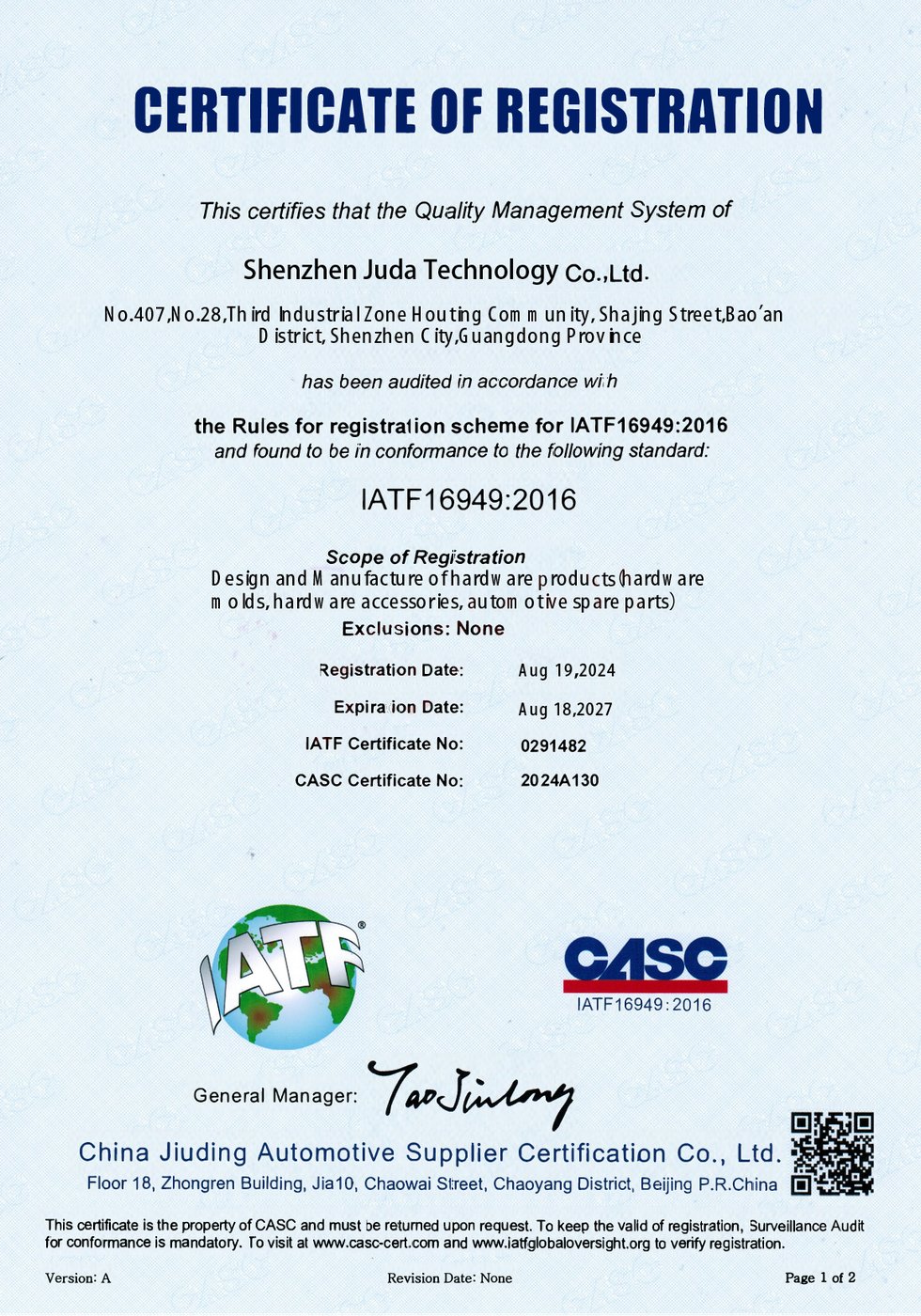
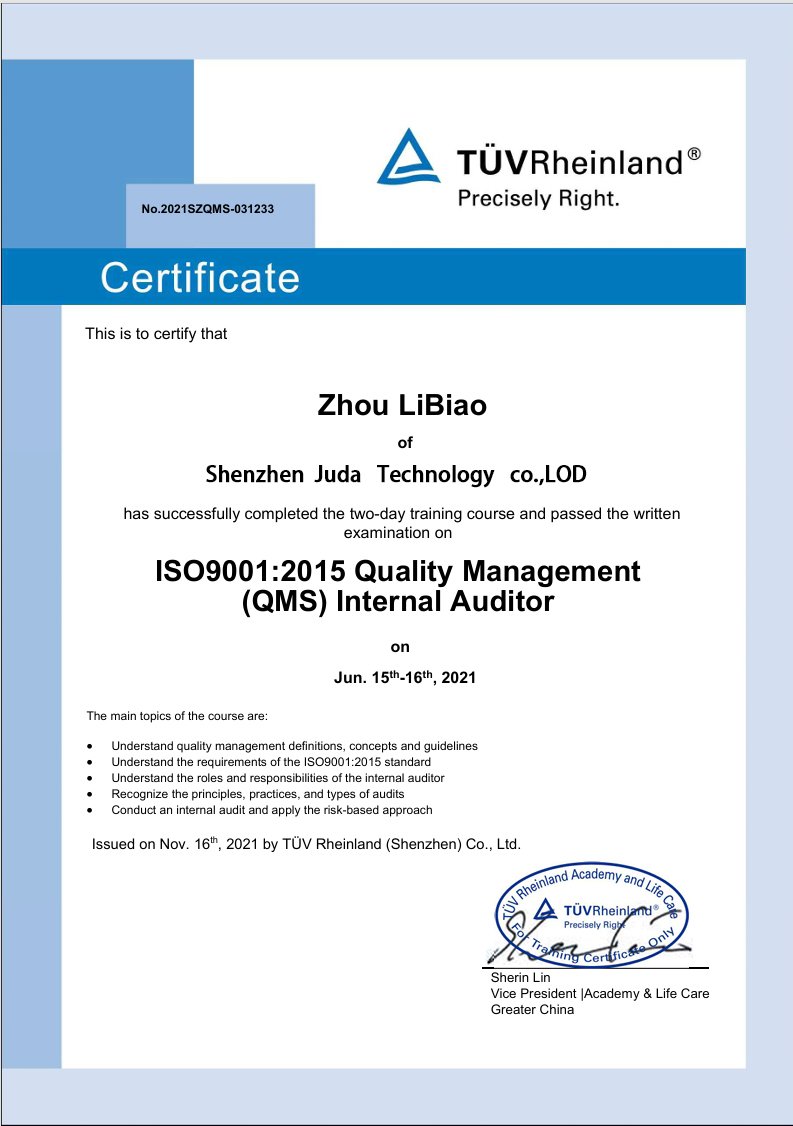
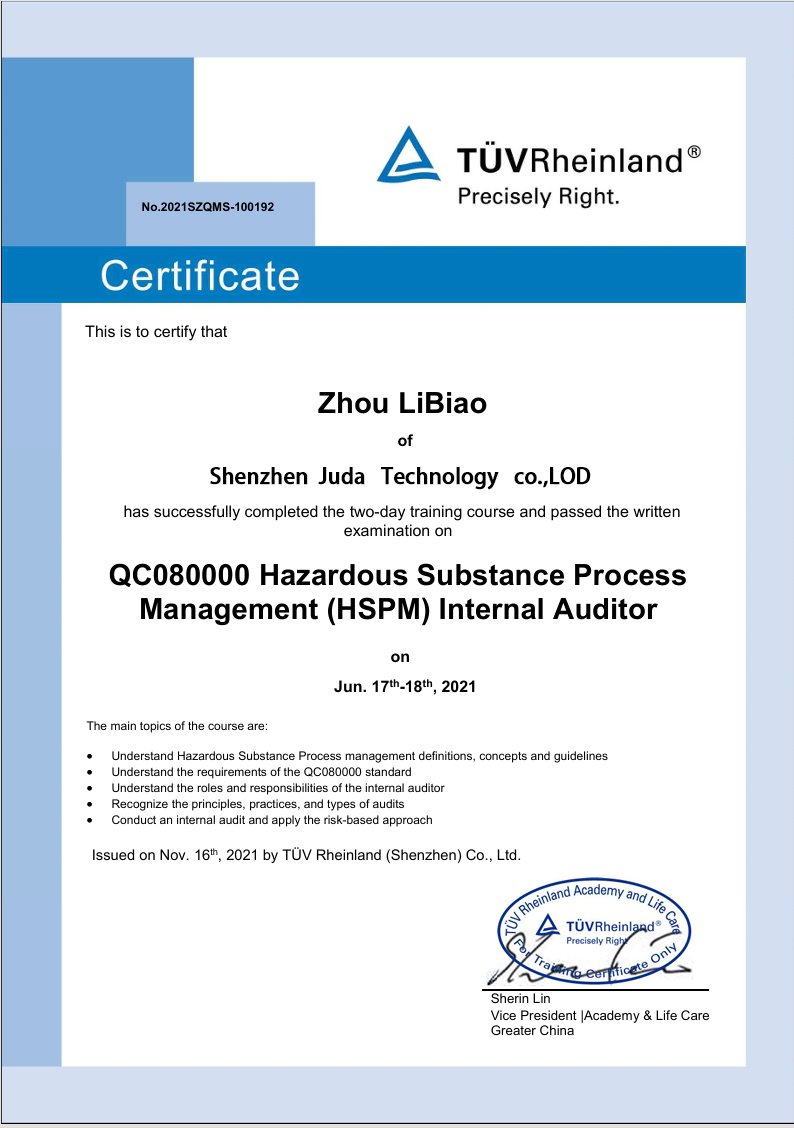
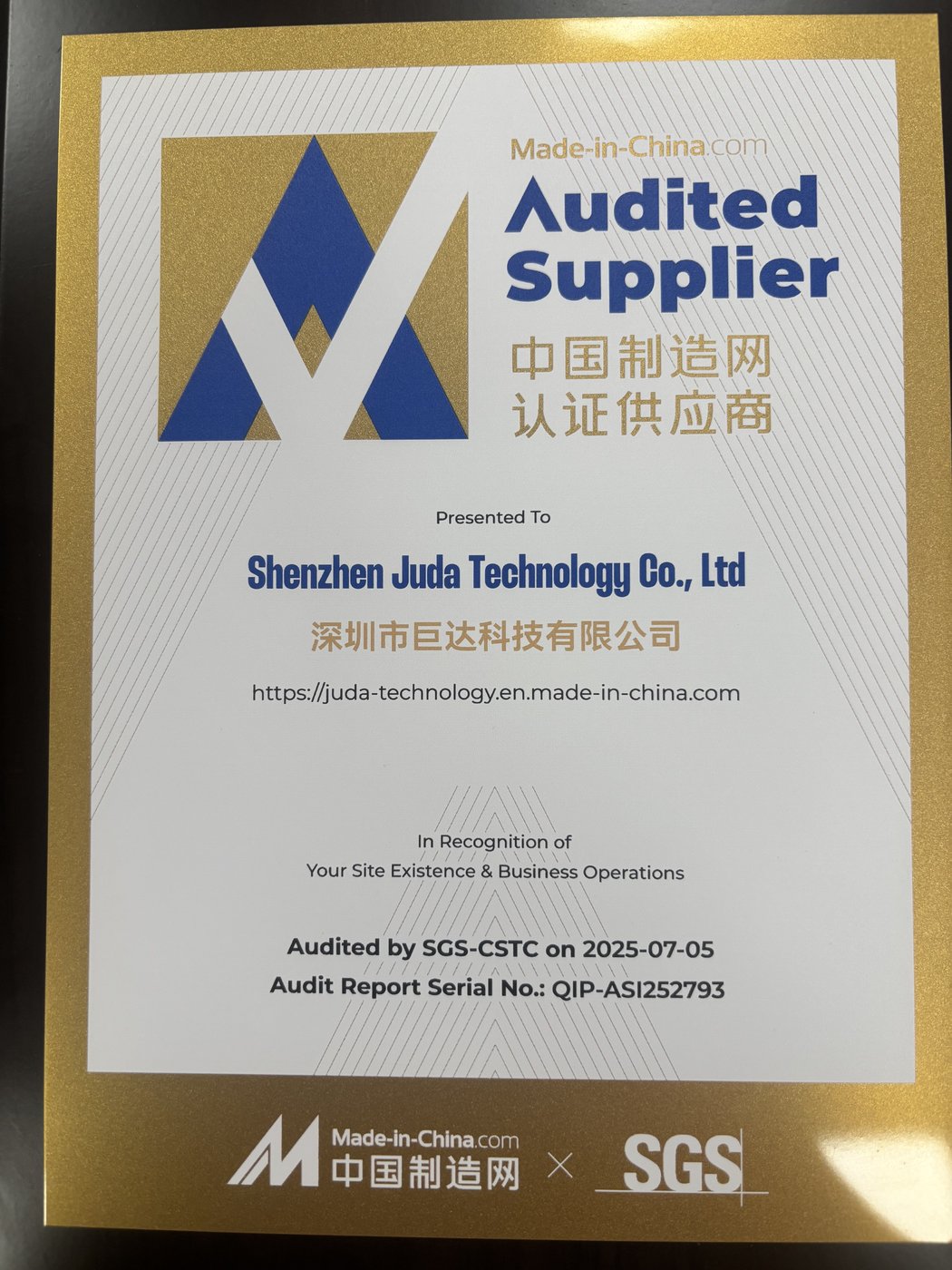
Certified quality — verifiable
Click any certificate to view the full document.
Frequently Asked Questions
What is the difference between Grade 2 and Grade 5 titanium?
Grade 2 is commercially pure titanium (~99% Ti) — softer, more formable, excellent corrosion resistance. Used for chemical processing, marine hardware, and non-load-bearing medical instruments. Grade 5 (Ti-6Al-4V) is the alpha-beta alloy with 6% aluminum and 4% vanadium — stronger, heat-treatable, the workhorse of aerospace and medical implant manufacturing. Grade 5 has roughly 3x the tensile strength of Grade 2.
Is Ti-6Al-4V suitable for medical implants?
Yes — Ti-6Al-4V is one of the most commonly used implant materials in the world, FDA-approved for permanent implants including hip stems, knee replacements, dental implants, and spinal cages. For long-term implants, the ELI variant (Grade 23, ASTM F136) is preferred due to lower interstitial content. JUDA machines both standard Ti-6Al-4V and Grade 23 ELI per customer specification.
What tolerances can you hold on titanium parts?
We routinely hold ±0.005mm (±0.0002") on titanium parts using our 5-axis CNC centers with in-process probing. Tighter tolerances are possible on simpler features — contact us with your specific requirement for a process capability assessment.
Why is titanium machining more expensive than aluminum or steel?
Three reasons: (1) Material cost — Grade 5 titanium bar stock is 5-10× the price of aluminum and 3-5× the price of stainless steel. (2) Slower machining — titanium runs at roughly half the cutting speed of steel to manage heat in the cut zone. (3) Tool wear — sharp carbide tooling with PVD coating is required and changed more frequently than for steel.
Do you provide material certifications for titanium parts?
Yes. We provide MTRs (Material Test Reports) traceable to the mill heat for all titanium parts. For medical implant work we provide full ASTM F136 or F1472 documentation. For aerospace, we provide certifications appropriate to the specification called out on your drawing (e.g., AMS 4928 for Grade 5 bar).
Can you anodize titanium parts?
Yes. We offer Type II anodizing for color-coding (blue, green, gold, purple controlled by oxide thickness — no dye involved) commonly used on medical instruments, and Type III hardcoat anodizing for wear resistance. We also provide passivation per ASTM A967 to remove embedded iron from machining tooling.
What is the minimum order quantity for titanium parts?
No minimum. We will machine a single prototype if needed. Per-part cost decreases significantly at quantities of 25, 100, and 500 due to fixturing and setup amortization. Send us your quantity range and we will quote tiered pricing.
Discuss your project with an engineer.
Send us your CAD files and requirements. We will review manufacturability and reply with next steps.